Restoring wetlands for our freshwater future
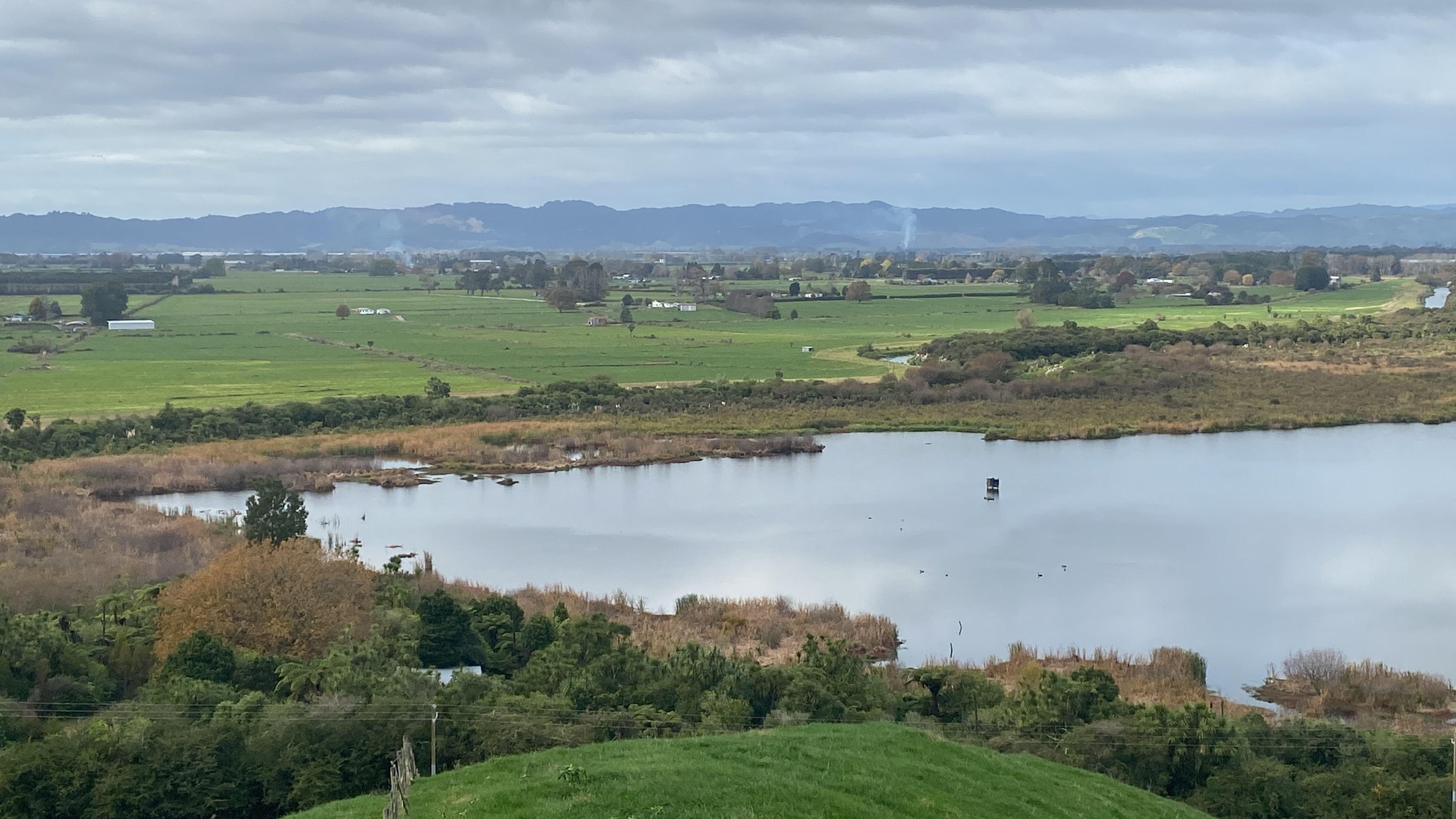
WETLAND: Tumurau Lagoon is one of the largest and last remaining intact wetlands on the Rangitāiki Plains.
Contributed
Winter is here, and with it comes increased rainfall and weather events across the Bay of Plenty, making now the ideal time to find out if that soggy, unproductive piece of land on your property is a wetland – and what you can do with it.
Wetlands are important ecosystems for environmental, economic and cultural reasons. They help maintain water quality by filtering our contaminants and support biodiversity – including many taonga (sacred) and threatened native species of plants and animals.
They also play a key role in supporting resilience against the effects of a changing climate, such as by reducing the impacts of flooding and heavy rainfall, and stabilising shorelines and riverbanks.
Across the region, the Bay of Plenty Regional Council works with tangata whenua, farmers, and care and community groups to help restore and protect wetlands.
Land management officer Heather McKenzie said supporting landowners and care groups to protect and restore wetlands was an important part of the regional council’s work.
“With only 10 percent of the region’s wetlands left, careful management is required to ensure these sites are healthy and continue to provide suitable habitat for native plants and animal communities.
“By increasing opportunities for these species to flourish, we can improve biodiversity in the Bay. High biodiversity can help ecosystems become more resilient and adaptable to climate changes and natural disasters.”
An example of this is the restoration and protection of Tumurau Lagoon, one of the largest and last remaining intact wetlands on the Rangitāiki Plains.
Nestled between Braemar Road and the Tarawera River, Regional Council land management officers have been working to restore this 147-hectare wetland back to its original condition for the past 15 years.
The lagoon is privately owned but protected by a conservation covenant under the Reserves Act 1977.
Eastern coastal catchments team leader Charles Harley said the regional council became involved with the property because of its significance as a priority biodiversity site – an ecologically important area that is home to rare or threaten species.
They were introduced to it by a local conservationist who knew the owner and trustees.
“Quite often you will get a wetland that has one or two endangered species, but this site has multiple rare, threaten or critically endangered species of both flora and fauna. It’s rare to find it all in one site.”
Tumurau Lagoon is home to a number of threatened birds including the nationally critical Australasian Bitten / Matuku (estimated to only be 1000 remaining in New Zealand), as well as Spotless Crake, North Island Fernbird / Mātātā , New Zealand Dabchick / Weweia and Royal Spoonbill. The lagoon also supports a large number of other more common waterfowl and forest species. Tuna (longfin and shortfin eel) are also present.
Plant species include at risk wetland ferns Swamp Fern (Thelypteris confluens) and Swamp Shield-Fern (Cyclosorus interruptus), as well as several regionally significantly species; Wire Rush (normally only found in peat bogs), Maru (Sparganium subglobosum), Scrambling Ground Fern (Hiya distans) and a number of native orchids.
The council is responsible for the management and maintenance of the lagoon and work to date includes:
· Construction of a fish passage to rejoin the wetland for native fish species
· Pest plant control (Willows, Pine, Woolly Nightshade, Royal Fern, Wattle, Privet)
· Feral cat, rat, possum and mustelid control
· Monitoring for bats, bitterns, birds, fish, plants and pest animals
· Planting native trees
Do you have a wet, soggy or spongy patch of land on your property? This could be a wetland.
The regional council has a team of land management officers ready to provide you with support, planning advice and guidance, and technical expertise to help you get the most out of your land.
If you’re interested in restoring a wetland on your property, or learning more about biodiversity in your area, talk to your local Land Management Officer: boprc.govt.nz/environment/fresh-water/rivers-lakes-and-wetlands/wetlands