
'Hero' lies in unmarked grave
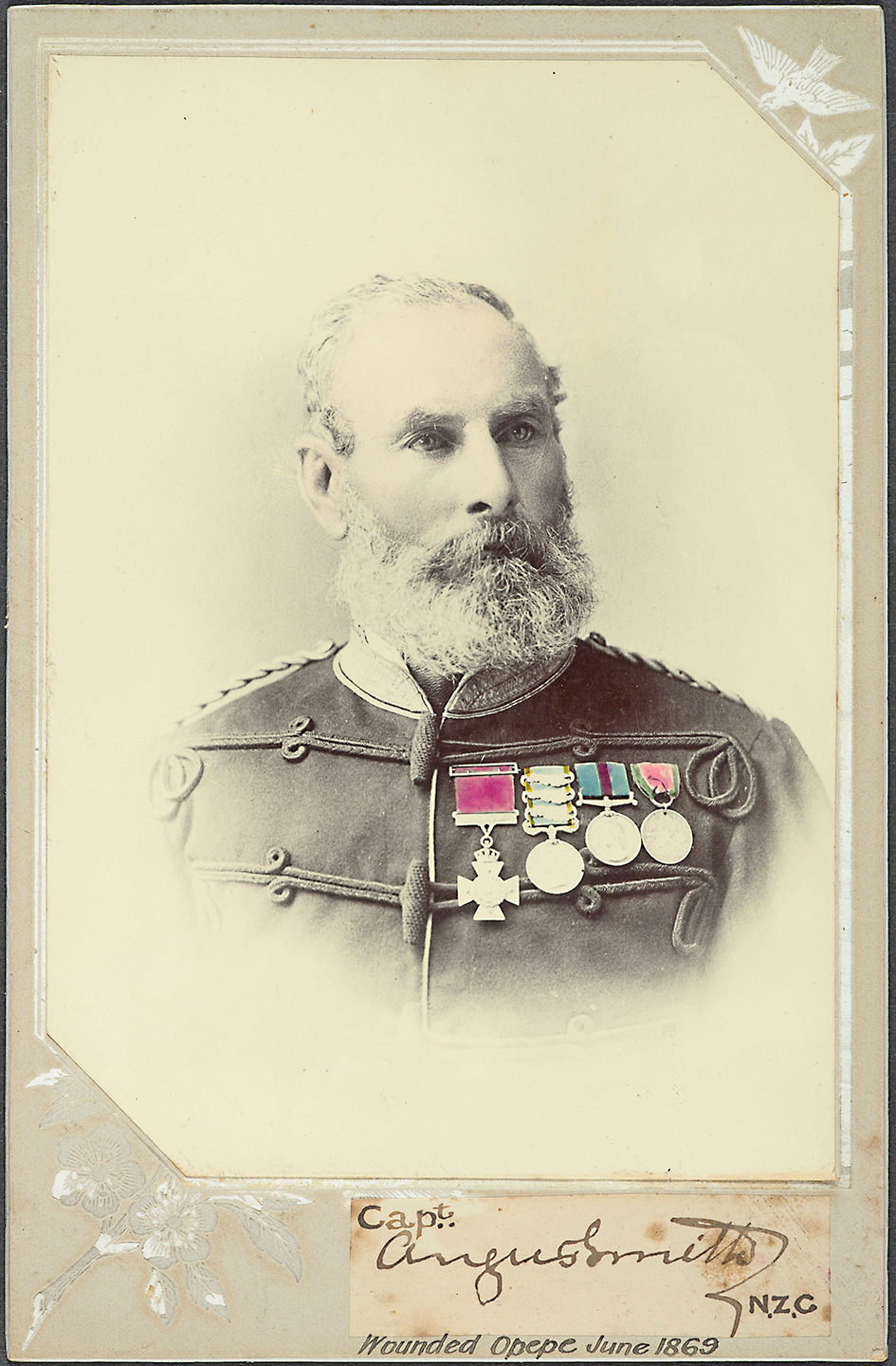
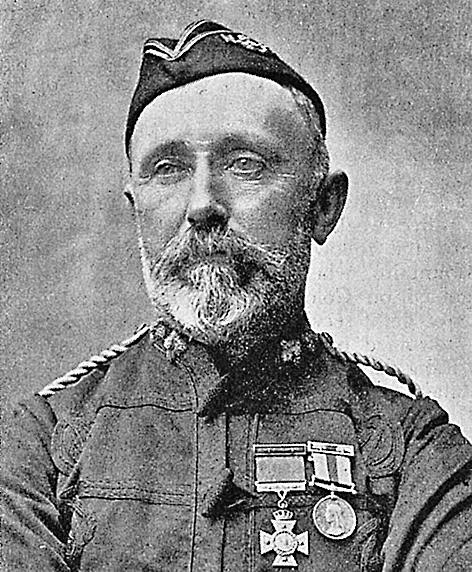
HANDSOME HERO: The Taranaki Herald described Angus Smith as “the beau ideal of an old cavalry officer, and personally was a fine-looking man”. Photo supplied
Paul Charman
A cavalry officer named Angus Smith won a military medal equal to the Victoria Cross, but today he lies in an unmarked grave in the Ōpōtiki Cemetery.
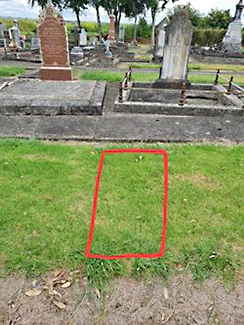
Veterans’ advocate Gavin Nicol has approached Heritage New Zealand in hopes of them funding a gravestone for the cavalryman who won the New Zealand Cross. Failing assistance from this body, Mr Nicol said he would like to mount a public appeal to memorialise the grave.
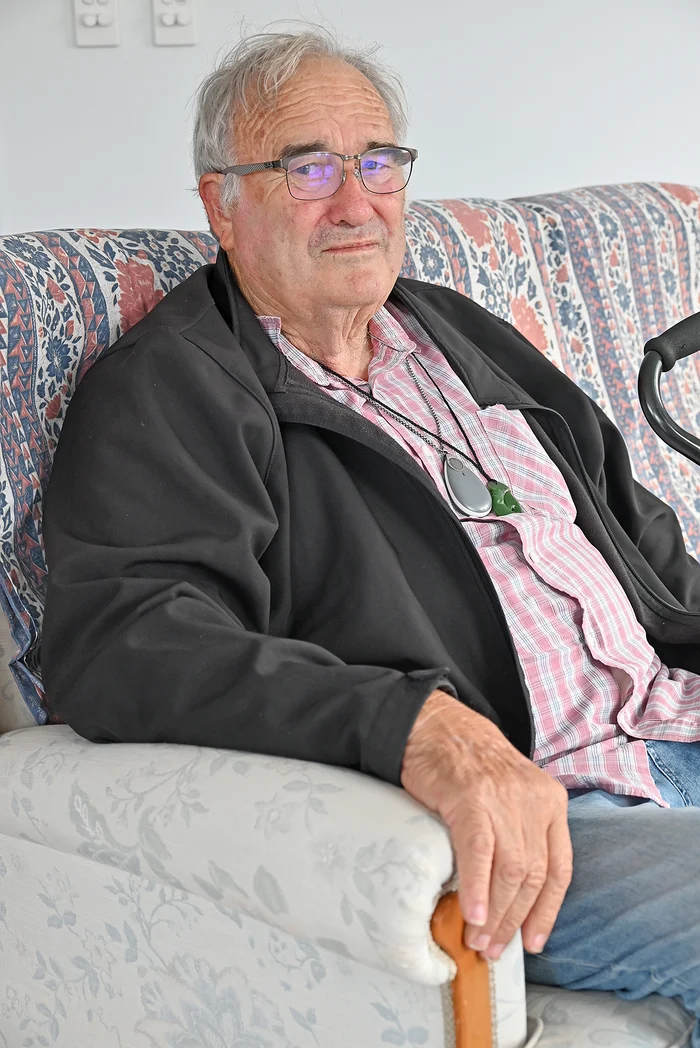
Captain Smith died at Ōpōtiki in 1902, aged 70, and nobody seems to know why he did not receive a gravestone at the time.
What we do know is that Captain Smith won one of just 23 New Zealand Crosses awarded between 1856 and 1899, at which time New Zealand’s top military medal was replaced by the Victoria Cross.
These medals went to Māori and Pākehā who served in the New Zealand colonial forces during the New Zealand Wars, making the award one of the rarest military honours in the world. Captain Smith’s medal is on display in the National Museum of Scotland.
Mr Nicol has lobbied for many years to have the names of war heroes from the East Coast etched onto war memorials and gravestones, his efforts gaining recognition for servicemen from World Wars I and II, Vietnam and Malaysia.
“To me, it is unacceptable that Smith, the first from this area to win the country’s highest major military award at the time, does not have a marker on his grave,” he said.
“We have produced more war heroes from this part of the North Island than any other place in New Zealand – including Victoria Cross, George Cross, and Distinguished Service Decoration winners. “We should look after every one of them.”
Captain Smith’s claim to fame is for his part in a bloody clash with Te Kooti’s men, while the then young cavalry officer was serving as a “Cornet”, the most junior officer rank of the day. He was in command of a unit ambushed on June 7, 1869, at a deserted Māori settlement at Ōpepe, on the shores of Lake Taupō.
Colonel St John had set out with an escort of 14 men to select locations for the construction of redoubts and depots. After reaching Ōpepe, the old abandoned kainga of the chief Tahau overlooking Lake Taupō, the Colonel decided it was a good location for a fort. St John left his men there and moved on without instructing the men to mount a guard.
He said: “You’re as safe here as in the centre of London, safe as a church.”
Not expecting any trouble, they piled their rifles and occupied three whare. The men shot some pigeons, killed some wandering sheep and washed their clothes. In the afternoon they rested with their saddles and equipment stowed in a separate hut.
Rain was falling but one soldier, George Creswell, set off to look for a stray horse and returned later wet though. He took all his clothes off to dry them. Little did they know that an advance guard of Te Kooti’s warriors, led by Te Rangi Tahau, was close by as they moved from Poverty Bay to the King Country.
Some say this group had been summoned by a spy among the colonials who had earlier lit mysterious signal fires. In any case, the 14 cavalrymen were suddenly surprised.
Three Māori entered the camp armed with rifles. Not one of the troopers was armed and when they tried to flee, the Māori opened fire.
Mr Creswell later said: “There were a great many shots. I only had time for a hasty glance about me when I realised we were trapped. The place was full of Māori.”
Stark naked, he made a run for it, managing to escape along with his comrade George Stevenson. Thinking they were the only two survivors, they made the 55-kilometre trek to Fort Galatea.
The raiders killed nine members of the attachment outright, shooting down several who made a run for the bush. The marauding Māori collected 14 carbines, 14 revolvers, 14 swords, 14 saddles, 13 horses and 280 rounds of ammunition. This kit helped Te Kooti equip his 200 cavalrymen as they made their way to the King Country.
A report in the Taranaki Herald said Captain Smith searched for the tracks of Colonel St John, but the rebels caught him on the road.
The rebels stripped off his clothes and medals. They tied him to a tree and abandoned him to a slow death from thirst and starvation.
Captain Smith remained there four days before managing to release himself, then headed north-south-west toward Fort Galatea. One report says he crawled to a stream and managed to drink on the seventh day, arriving at the fort with frost bite 10 days following the ambush.
Did Smith deserve his medal?
An account of the incident in the Taranaki Herald describes how the New Zealand Cross was bestowed on Angus Smith for bravery and endurance. Following his remarkable escape, the soldier was also promoted to Captain. The Imperial Government re-issued the Crimean and Turkish medals Te Kooti’s men stole from him. But recriminations were swift.
While the writer of the Taranaki Herald account gushed that Captain Smith was, “the beau ideal of an old cavalry officer, and personally was a fine-looking man”, Captain Smith’s fellow NZ Cross recipients saw things differently.
The panel who opposed Captain Smith getting the NZ Cross included three who could perhaps be described as “Land Wars heavyweights”.
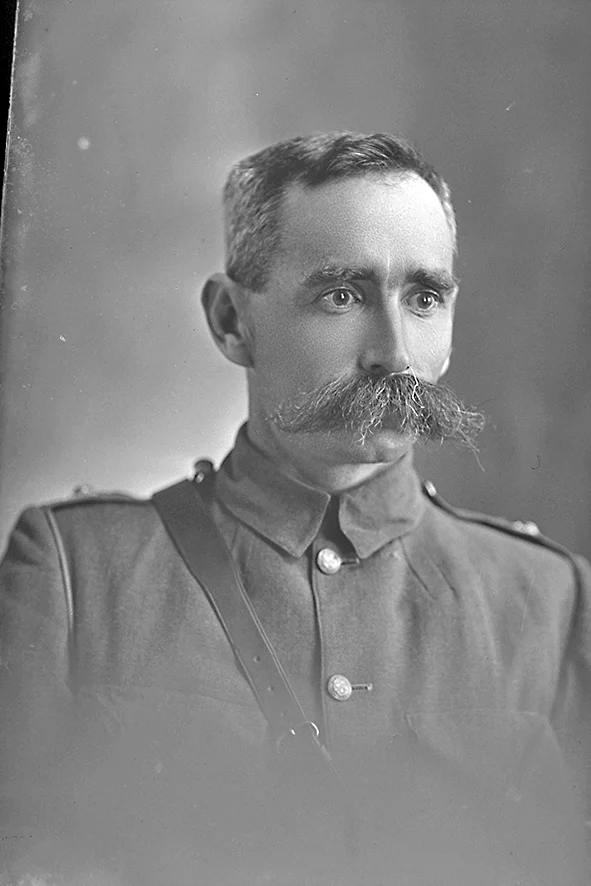
Major John Roberts, Captain Gilbert Mair and Captain George Preece were awarded their New Zealand Cross medals for bravery in combat. Interestingly, Captains Preece and Mair had considerable expertise in Māori language and culture. Both formed close relationships with Te Arawa, whose warriors they led in many skirmishes with Te Kooti’s men.
Major Roberts was active in the Taranaki wars under Gustavus von Tempsky, ahead of moving to Poverty Bay to confront Te Kooti, though he eventually handed pursuit of the rebel chief over to Mair and Preece.
All three made it clear that in their view handing a NZ Cross to Captain Smith was a gross misuse of an honour reserved for valour, pointing out that he would normally expect to be court-marshalled for dereliction of duty in failing to post sentries.
As well as the loss of life at Ōpepe, Te Kooti’s reward from the massacre was a trove of arms and ammunition which he captured there. These were later used during his rampage across the North Island.
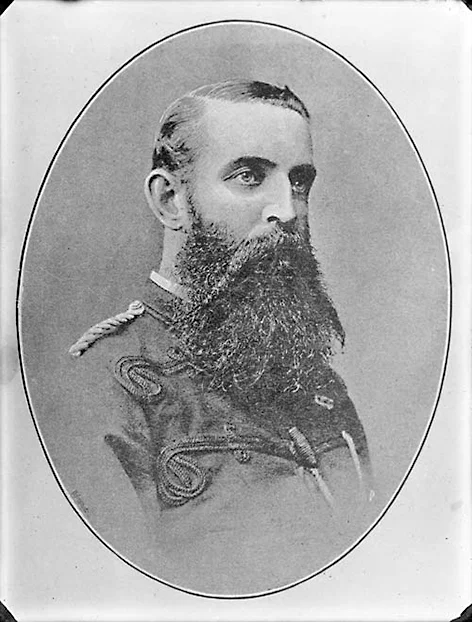
Historians have argued over this one, concluding that while Captain Smith did deserve to be censured, the bulk of the culpability had to go to Colonel St John, who had known that Te Kooti intended to march to Taupō.
Though Captain Smith’s medal was primarily for endurance rather than valour, none of his critics accused him of being a coward. Ahead of the fateful incident at Ōpepe, Captain Smith, who died in 1902, saw combat at Maukau, Te Ranga and Waireka. Before coming to New Zealand, he had served with the 93rd (Sutherland Highlanders) Regiment in the Crimean War. These soldiers were legendary. At the Battle of Balaclava in 1854 they formed the famous “Thin Red Line”, repelling a Russian cavalry charge with a formation of soldiers just two-deep, instead of the required four-deep formation.
Colonel St John’s career seemed to have survived his terrible advice to the soldiers at Ōpepe, because he turns up in a later newspaper report being praised by the writer for his fairness in overseeing balloting of land to soldiers after the wars. Years later in Ōpōtiki, George Creswell was talking to Māori who said: “We could have got you that day George, when you were looking for your horse, but we didn’t want to alarm your camp.”
Tell us what you think?
Perhaps you think Angus Smith deserves a head stone for being among the few winners of the New Zealand Cross, or perhaps the events he was a part of are best left buried.
Local Lorna Aikman points out that in the era Smith died many Ōpōtiki people were given wooden memorials, which have long since rotted away. On the other hand, some may argue that a rare military honour equal to the Victoria Cross is worthy of acknowledgement. It is possible some history buffs may pay their respects at the grave.
Also, do we really want to revisit such a painful period of Ōpōtiki’s history?
Te Kooti remains a controversial figure, and for many of us he was more freedom fighter than rebel. The militia members who pursued him benefitted from the catastrophic land confiscations of the 1860s. Or there is the view that we can’t change our history, and rightly or wrongly, should remember the characters who made it.
Send your views to [email protected] and be in to win $100. Only those with a full name and address will be published and eligible for the prize draw.