
New kai resilience push for EBOP
.
A local food economy where everyone has enough to eat, nothing goes to waste, and people know how to grow and cook their own healthy kai, is one step closer in the Eastern Bay thanks to a $12,500 grant from BayTrust.
The money will be used by Grow It Local to bring together horticulture growers, community gardens, schools, kōhanga reo, marae, social sector agencies and other interested groups and individuals to tackle the issue of kai insecurity.
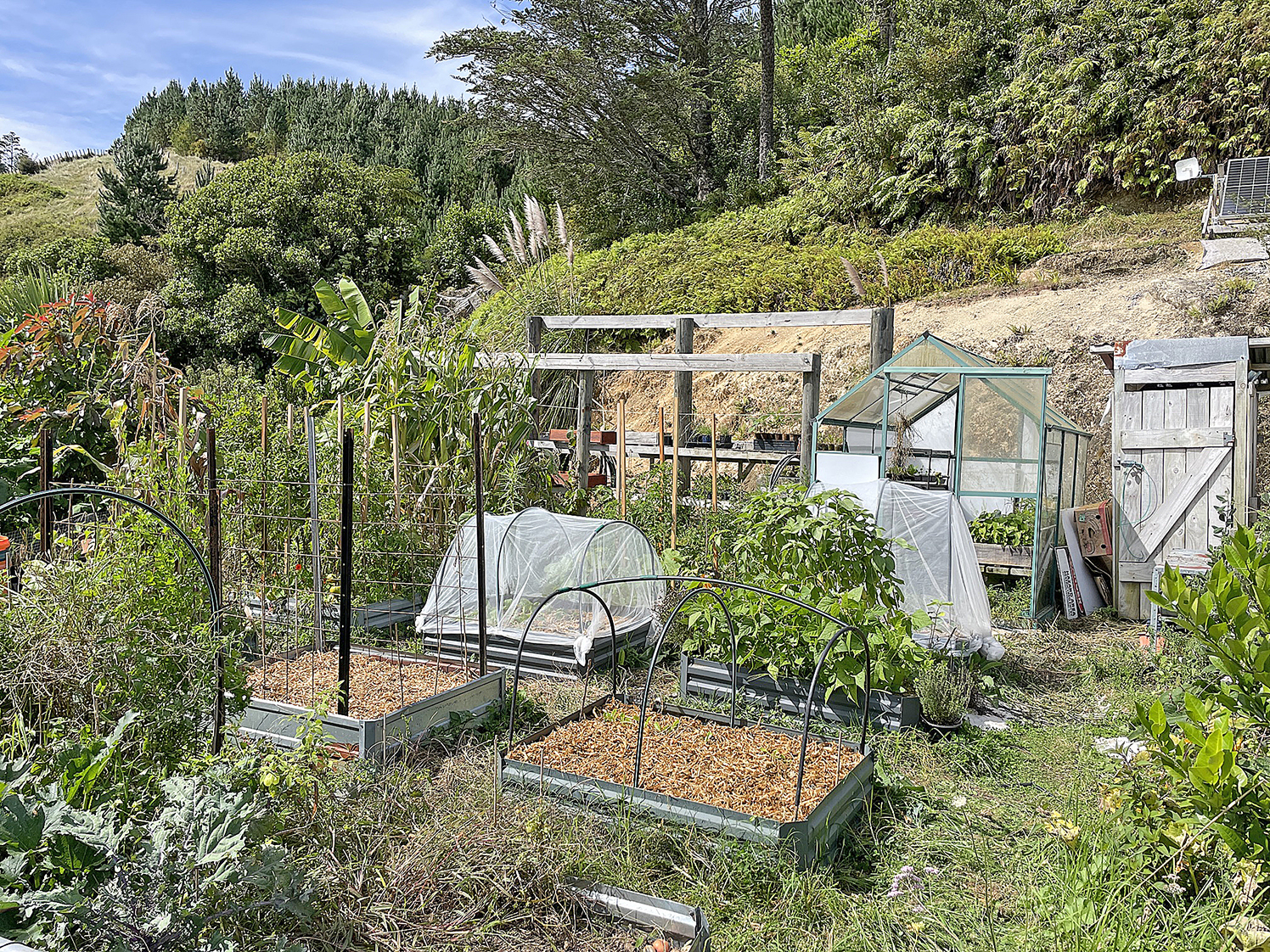
Free education workshops to teach people basic skills such as fruit tree pruning, composting, preserving and fermenting will be held in 2026, and work is now under way to publish a comprehensive “kai map” showing people where they can find food at roadside stalls, public fruit trees, pātaka kai (food sharing stalls) and local food banks.
“Eventually we will set up volunteering systems for food rescue and fruit picking of orchards and things like that, for people to get involved,” said Grow It Local’s kai security co-ordinator, Nikki Harnett.
“We want to develop a holistic local food economy, so help isn’t limited to just emergency support.
“We want to create a system where the whole community can benefit from having more nutritious local food available to them.”
In late 2024, Ms Harnett wrote the Kai Security Sector Research Report for Whakatāne District Council.
She surveyed the region’s front line social sector agencies who help people struggling to feed their families, to find out what the real issues are.
She found a fragmented local food network that would benefit from better coordination to bring people and services together.
“Education is critical,” the report concluded.
“There is a strong need for support in gardening, cooking, budgeting and nutrition.”
Ms Harnett said the Eastern Bay had a great growing climate and fertile soil, yet many people were hungry and simply didn’t have the skills or knowledge to grow or cook healthy food.
“I would love to see more backyards full of fresh produce, more publicly accessible fruit trees, and just a better local food economy.
“We can grow it. We don’t need to send food away to be trucked back again.
“Let’s set up some micro enterprises where people are growing particular things and adding value.
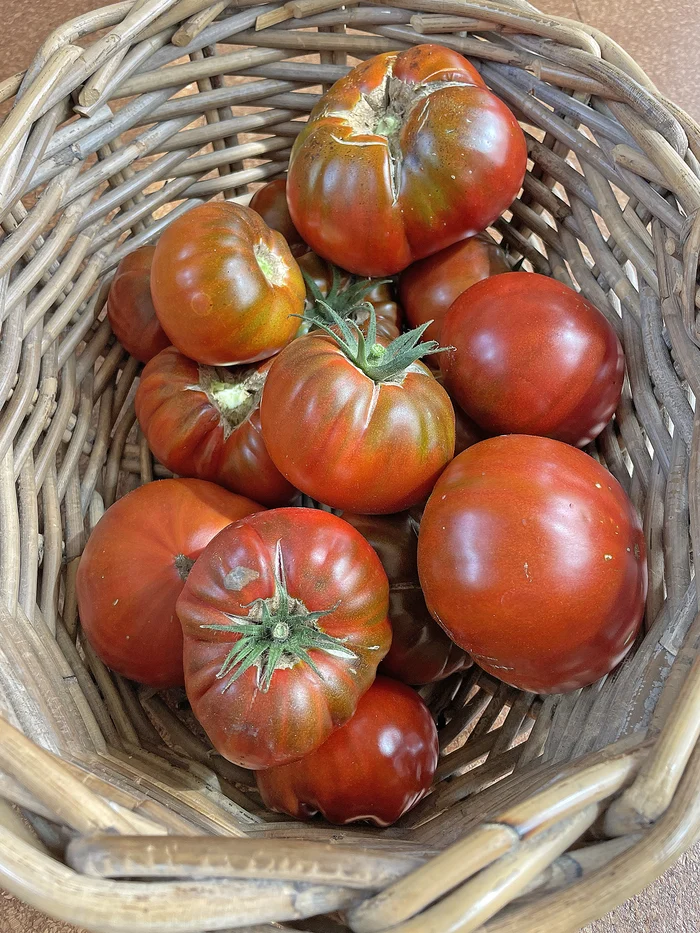
“Let’s have more farmers markets and let’s go direct to consumer to get better prices and utilise the leftovers as best we can.
“Let’s reduce our waste, reduce our food miles and build a circular local food economy that really nourishes everybody and reconnects people with growing food.”
She said the BayTrust grant would help cover operational costs and go a long way to getting Grow it Local up and running.
“It’s just so exciting. Having this financial support to actually dedicate more hours and be able to go out into the community and set things up properly is wonderful.
“This is a pivotal moment to shift from emergency responses to sustainable, community-led food resilience. In a country that produces enough kai to feed 40 million, we cannot continue to let people go hungry.”
BayTrust chief executive Alastair Rhodes said according to the latest New Zealand Health Survey, 27 percent of Kiwi kids now lived in households where food sometimes or often ran out. That figure was significantly higher for Māori (34 percent) and Pacific (54 percent) households.
“Grow It Local can have a positive impact on our region’s environment through the championing of kai production methods that care for our whenua, reducing transport emissions by supporting local kai, and encouraging circular resource use through composting and reusable or compostable packaging.
“We are excited to see more Eastern Bay locals working together, and learning alongside one another, to reconnect with their kai and better use the resources we have.
“We hope this funding will make a tangible difference, so fewer people struggle to feed themselves and kai doesn’t go to waste.”