
David Gulpilil’s journey home ends
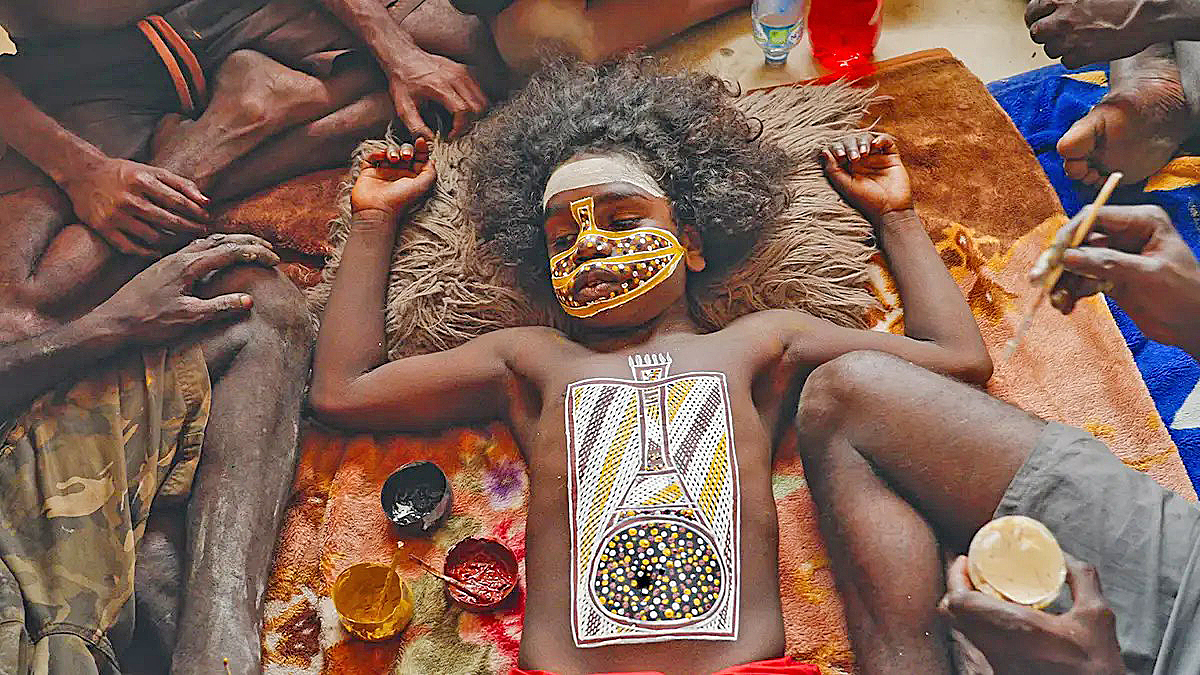
Journey Home: This film tells of the incredible 4000-kilometre journey to repatriate the body of David Gulpilil after his death. Photos supplied
Contributed
Ilmars Gravis
With the end of the year fast approaching, the DeLuxe Theatre Ōpōtiki is excited to be finishing its fortnightly Monday Arthouse sessions with an exclusive screening of Journey Home, David Gulpilil.
Gulpilil was a legendary First Nations person of Arnhem Land in Northern Australia who found widespread fame and recognition, and a sometimes larger than life presence in movies such as the original Storm Boy (1971) and Storm Boy remake (2019); Walkabout (1971); Rabbit-Proof Fence (2002); The Tracker (2002); Ten Canoes (2006); and Charlie’s Country (2013).
His incredible life story has been the subject of several documentaries. In 2015, he appeared in the documentary Another Country, where he narrated the story of his life from when he was a child living in the remote Northern Territory where he first saw white men at the age of eight. A documentary about his life, My Name is Gulpilil, premiered at the 2021 Adelaide Festival. He was ill at the time with stage four lung cancer, which he passed away from in that same year.
And so, we come to the subject of Journey Home following on from the actor’s death, a 4000 kilometre, 10-month journey to repatriate his body from Murray Bridge in South Australia where he was receiving treatment for his lung cancer, home to his remote ancestral home deep in Arnhem Land.
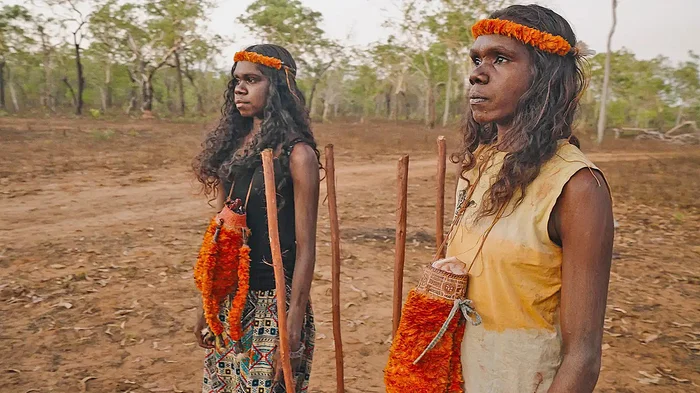
Tracing a path through the landscapes he brought to life as an actor, dancer, and performer, this epic logistical exercise utilised motor vehicles, boats, helicopters, and people on foot, allowing his body to be laid to rest in his birthplace Gupulul, in the remote East Arnhem Land.
Narrator Hugh Jackman describes it as a roughly 4000km journey from “a city at the bottom of Australia to a remote swamp at the top”.
The movie also includes archival footage of Gulpilil, tracking his career from the early 1970s when his skill as a dancer landed him a part in the movie Walkabout, which would only be the start of a five-decade career. Another scene shows a 17-year-old actor only speaking a little English, en route to London to meet the Queen, following an appearance at the Cannes Film Festival.
While the journey of Gulpilil’s body was an epic undertaking in itself, the film-makers, Trisha Morton-Thomas and Maggie Miles, acknowledge the emotional, physical, and logistical demands of filming the journey in a Guardian.com article (20.10.25) saying: “We’re all thinking on our feet the whole time … You’ve got this balance of filming extraordinary culture and emotion … and really challenging logistics to think about. How we’re going to get from A to B? Have we got enough water? Is everyone coping well in the heat? There are so many people and so much activity going on the whole time, you don’t have time to stop and reflect – you’ve just got to keep shooting.”
This movie is a celebration of Gulpilil’s achievements, an acknowledgement of his visibility and presence as a First Nations person, and a reminder of the timeless connection and influence of the Australian landscape on its First Nations People.
In addition, it is a riveting yarn about commitment, fulfilling promises, resilience and acceptance in the face of adversity, and what it means to be “of the land”.
His presence beyond his life remains an influence throughout the movie, and will no doubt be celebrated and cherished for generations to come.