Boaties urged to keep caulerpa out of the Bay
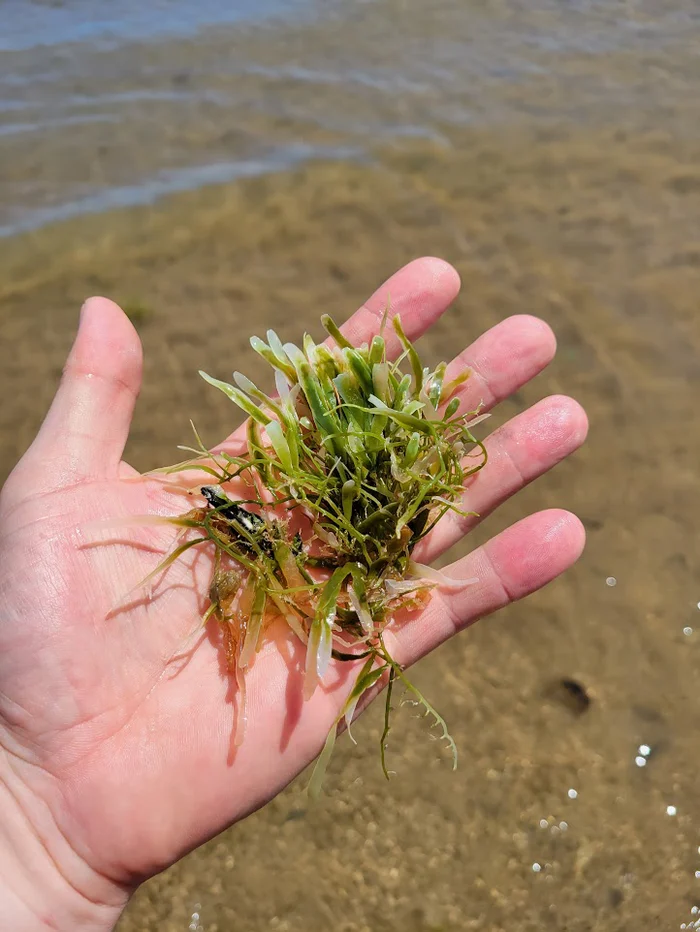
Know your weed: The bright green round, paddle-like blades of up to 10 centimetres long are attached to a long runner, known as a stolon. Photos supplied
.
The message to boaties from Bay of Plenty Regional Council this summer is clear – “Don’t be the person who accidentaly brings caulerpa back to the Bay of Plenty”.
It has been four years since exotic caulerpa was first discovered at Aotea Great Barrier Island.
Since then, this fast-spreading invasive seaweed has been found at multiple locations around the top of the North Island and is now present in the Coromandel.
The Bay of Plenty remains free of exotic caulerpa – and regional council wants to keep it that way.
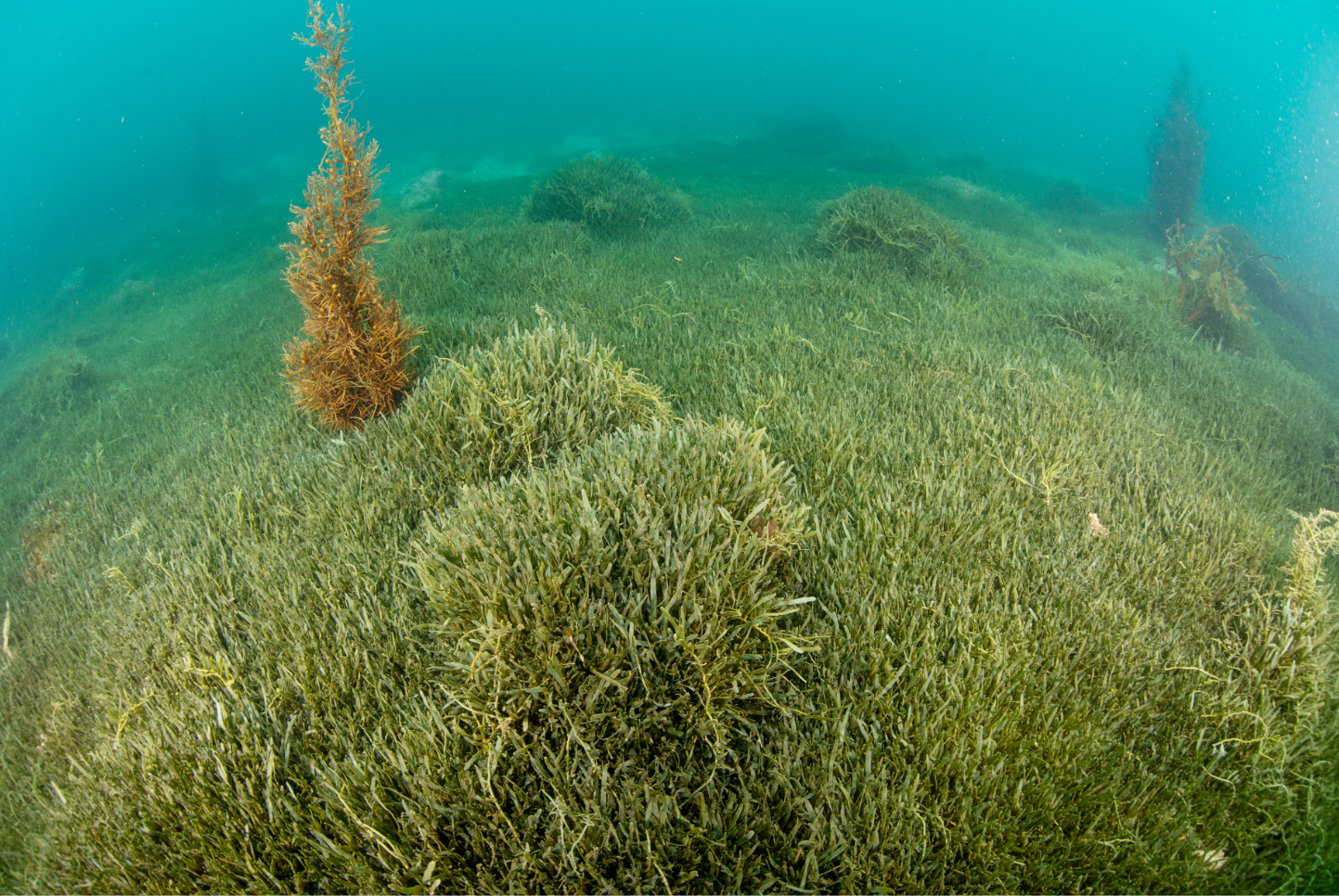
Exotic caulerpa is a fast growing, invasive seaweed that can form dense underwater masses threatening native marine life.
It crowds out native seaweed and shellfish, damaging ecosystems and fish habitats.
The bright green seaweed has round, paddle-like blades of up to 10 centimetres long, attached to a long runner, known as a stolon.
Regional council biosecurity team leader Hamish Lass said the message to all boaties – particularly those heading out of the region this summer – is clear: “Don’t be the person who accidentally brings caulerpa back to the Bay of Plenty”.
“If you do find any type of seaweed on your anchor, chain or gear, remove it, bag it and then bin it back on shore.”
He said when anyone is out on the water, whether they’re boating, fishing or diving, please follow these simple steps before you move:
n See seaweed: When you pull up your anchor, inspect it and the anchor chain for any attached seaweed. Also check any fishing or dive gear that’s been in the water.
n Bag it: If you find any seaweed, remove it and securely bag or contain it to stop it getting overboard and spreading to other areas – the smallest piece can spread.
n Bin it: If possible, take the seaweed ashore and dispose of it securely away from the beach – for example, in your home rubbish or compost.
If you can’t do this safely, put it back in the water in the area it came from.
n Report it: The regional council is also asking people who are staying in the Bay of Plenty to keep an eye out for caulerpa.
“The quicker any infestation is found, the greater the chances are that we can control it,” Mr Lass said.
If you spot this pest – either at sea or on the beach – please report it to Biosecurity New Zealand.
Under section 46 of the Biosecurity Act, all suspected notifiable organisms must be reported.
There are legal rules (known as Controlled Area Notices) and rāhui in place at some locations where exotic caulerpa is present.
For the latest information, including affected areas, areas under controls, maps and photos, visit the Ministry for Primary Industries website.