
Plans for sewerage improvements revised
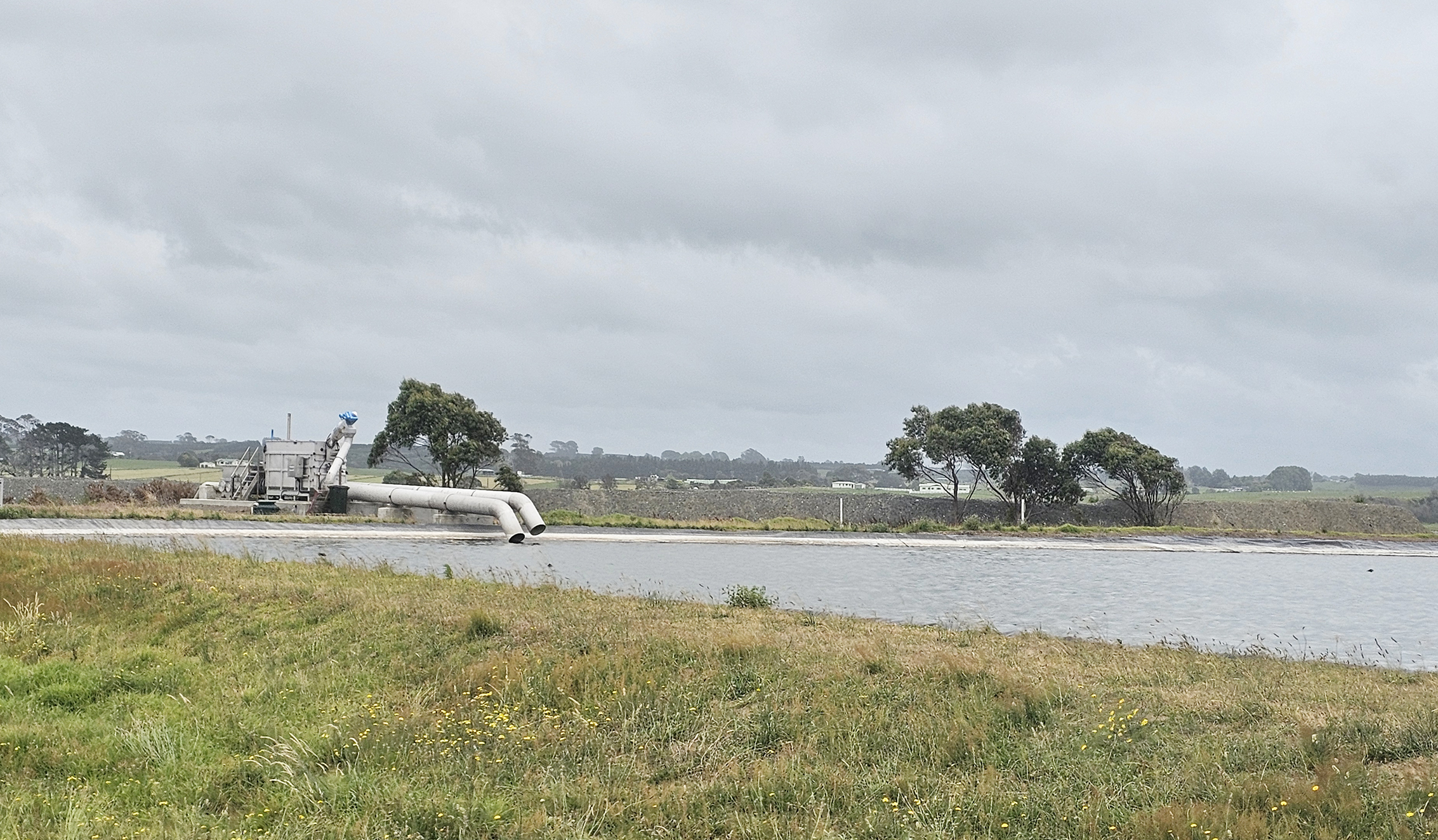
Sludgy: The oxidation pond at the end of Snell’s Road is about 55 percent full of sludge and the lining is due for replacement. Photos Diane McCarthy E5785-04
Diane McCarthy
Ōpōtiki District Council has endorsed changes to its wastewater work programme emphasising a “no regrets” approach to spending.
In 2024, the council identified investment of $36 million over 10 years needed to upgrade the Ōpōtiki township’s wastewater system. It allocated $8.3 million to be spent in the first three years.
The council’s resource consent to discharge wastewater is expired and its application to the regional council is on hold, allowing the council to continue to function throughout current reforms.
At a meeting on Tuesday, council received a report saying new national wastewater standards are coming into effect this month, and further work had informed a revised work programme to optimise spending on immediate needs while aligning with long-term goals.
While no additional budget is required for the changes this financial year, some may be needed for the next financial year and beyond.
The report identifies several issues with the wastewater system.
In spite of previous rehabilitation efforts, the ageing reticulation network has persistent issues with stormwater inflow and groundwater infiltration, creating a burden on the wastewater system.
Wastewater Pump Station 01, near the skatepark, has mechanical pipework in poor condition, with failed check valves and risks of further failures, which could lead to high repair costs and network overflows.
The rising main across the Otara River is at risk of failure, which could result in untreated effluent discharge into the river.
Additionally, erosion of the Pākihikura Harbour eastern bank threatens the pipe’s integrity.
The oxidation pond is near treatment capacity and over half full of sludge, which affects treatment efficiency.
The pond liner has exceeded its design life and needs replacement.
Frequent overflows into the overflow pond during wet weather have led to an abatement notice from the Bay of Plenty Regional Council, with risks of enforcement action.
The disposal field is clogged with algae and solids, reducing drainage performance. The trenches require renovation, and the disposal system needs upgrades to meet new national wastewater standards.
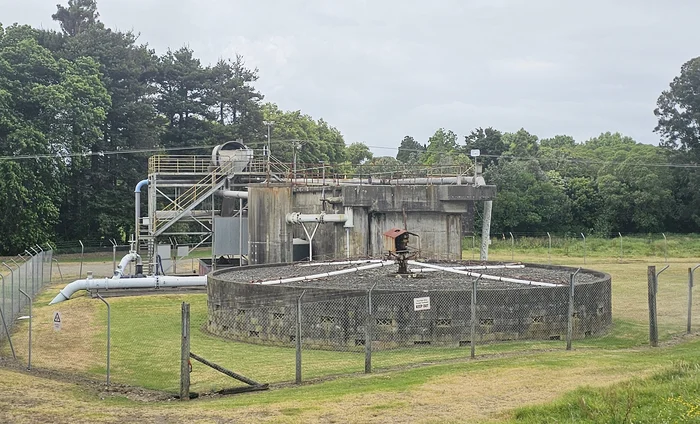
The report also highlights natural hazards the wastewater system is exposed to, such as flooding, liquefaction, tsunami, and coastal erosion.
The revised programme has five stages, with early works including ready-to-start projects that will reduce non-compliance and reinstate the plant to its original operating intent.
These include mechanical upgrades, a new valve chamber, a new electrical building, new monitoring and control system and electrical upgrade to the main pump station. Short-term plans for the oxidation ponds included repositioning of the aerators and UV treatment.
The creation of a second pond would be part of phase two, to manage risk that desludging of the existing pond at a later stage could result in damage to the lining.
Other later plans include a second rising main pipe under the Otara River, and improvements to the disposal field.
Councillor Barry Howe said the work was “imperative” if the wastewater issues were not to slow down much-needed housing development in the town.
“Our people desperately need housing. With the development of Hukutaia coming up in the next few years, we need to make sure [wastewater systems are in place].”
Ōpōtiki is one of the few towns in New Zealand with a land-based wastewater disposal system.
Mayor David Moore said the alternative, of disposing treated wastewater to the river or ocean was “not desirable to any of us here”.
He said council staff had worked closely with those creating the new wastewater standards to design a standard that was specific to the land-based system. By doing so they had saved a further potential cost of $30 million to comply with those standards.