
Fatigue stops back for ninth year
Brianna Stewart
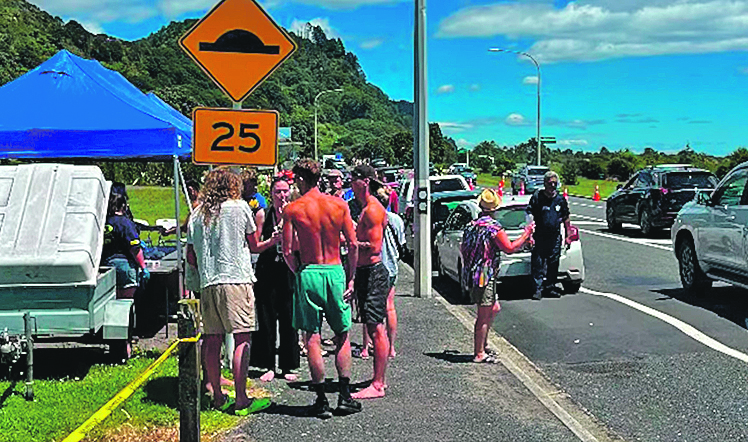
Weary travellers will again be greeted by sausages, cold bottles of water and cheery volunteers as they travel through Matatā on New Year’s Day.
It will be the ninth annual fatigue stop hosted by Blue Light Matatā and other community groups aiming to break up what is often a long journey home from Gisborne’s Rhythm and Vines festival.
More than 20,000 people attend the festival annually, with many using the Eastern Bay’s roads to get to and from the Waiohika Estate venue.
After two consecutive years of fatigue-related fatal New Year’s Day crashes on the Matatā straights, local Kevin Raynes thought it was time to intervene.
The senior police constable and Blue Light Matatā chair had seen fatigue stops be effective across the ditch when he was young and decided to see if a similar approach might buck what was becoming a tragic trend.
“I can’t take credit for it, but in the eight years we’ve run the fatigue stops the local fire brigade has not had a callout on New Year’s Day.”
Another fatigue stop will be operating in Ōpōtiki tomorrow to capture those who may not travel through Matatā.
Mr Raynes said multiple elements combined on the road west of Matatā to increase the risk of crashes, including being distracted by scenery and long straight stretches that make it easy for the mind to wander.
The fatigue stop is perfectly positioned, Mr Raynes thought, to catch people before they hit the straights.
Volunteers encourage people to get out of their cars and have a chat while they eat their sausage or drink their water, with music setting the tone – though Mr Raynes warned that it was usually songs of his own era playing through the speakers.
“It’s a nice place to kick back and have a break.”
Good manners from young travellers were consistently recognised by the volunteers.
“In my job, I get to deal with people who get things wrong. I get called all sorts of names and what have you. I suppose it gets to a point where you just expect it,” Mr Raynes said.
“But these kids that stop use ‘please, thank you’ and it’s certainly noted by everyone there how pleasant they are.”
Mr Raynes said that each year the fetivalgoers were observed to be making generally responsible decisions about their return from the festival.
That included carpoolers often having a designated driver who took themselves to bed shortly after midnight instead of partying through to the first sunrise of the new year, leaving just some of the passengers worse for wear.
“I think we underestimate our young people. They are responsible. You get a few who ruin it and that taints it for everybody else.
“They do have designated drivers and responsible passengers as well.”
Those passengers played a vital role in preventing fatigue-related crashes, Mr Raynes said.
“You can tell if your driver is getting tired. There’s the nodding of the head, the winding down of the window to get some air.
“As a passenger, if you see that, you need to speak up and say you’ll drive from here and share that load.
“It does catch up with you and, unfortunately, we’ve lost a lot of people to fatigue.”
The fatigue stop effort has been supported by Woolworths Whakatāne since the first instalment in 2018, supplying water, sausages and bread.
Fine tuning across the decade means the supplied sausages are now pre-cooked, so volunteers don’t bring in the new year by boiling 1000 sausages at home like they did the first year.
Timings have shifted too, with the fatigue stop starting from 10am tomorrow to catch the early travellers.
Matatā Volunteer Fire Brigade have assisted on the ground for all nine events, and Whakatāne District Council’s road safety team came on board early in the piece.
The local residents’ association, iwi and the community in general also turn out to lend a hand.
“There are people from all walks of life and age that come down, basically to greet our young people who are coming back from Rhythm and Vines.”
Bunnings Whakatāne is providing some small goodies to be given out tomorrow.