
You have the power to shape a positive, sustainable future
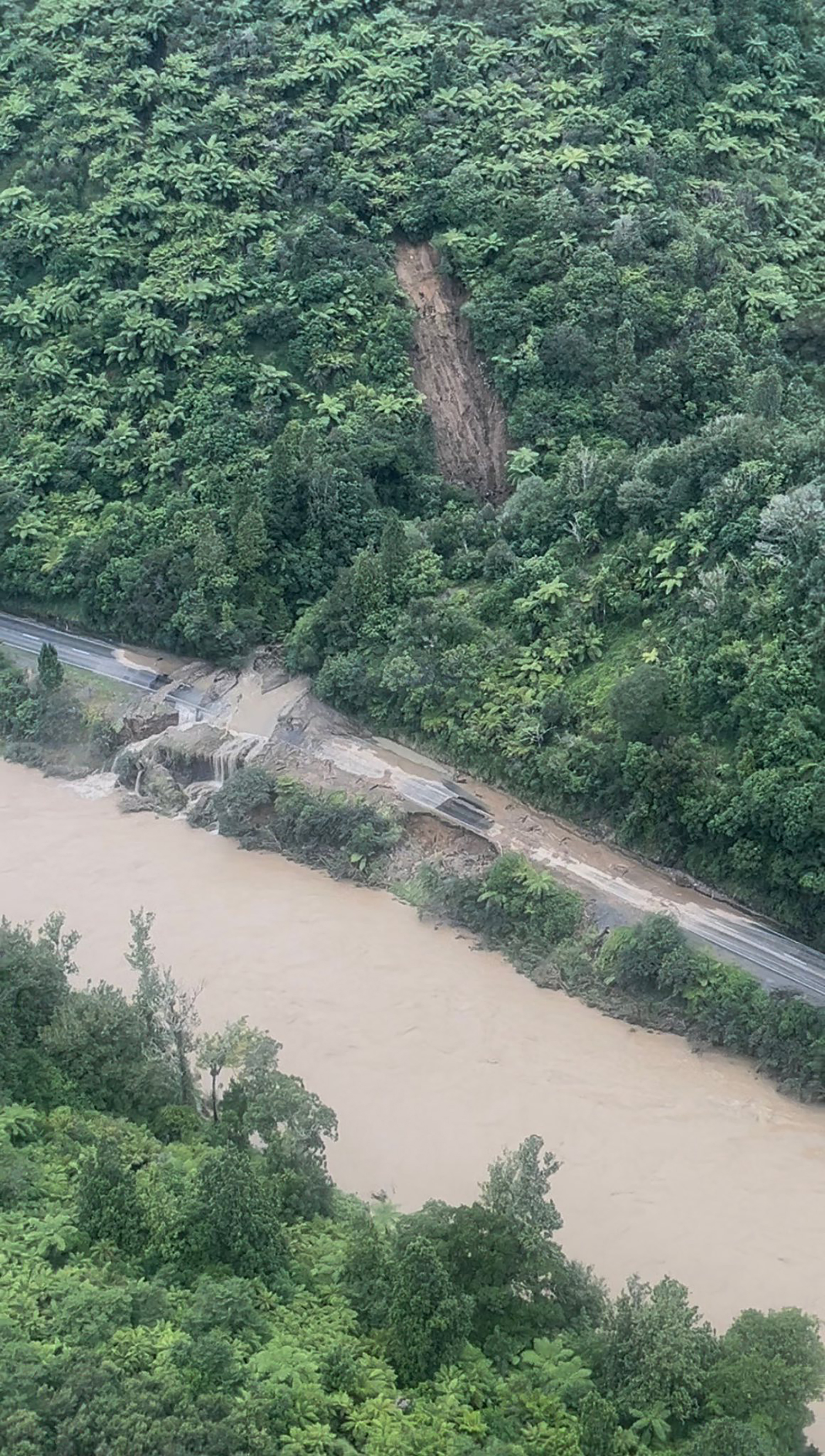
vulnerable: A slip in the Waioeka Gorge. Photo Motu Helicopters
.
■ Your choices today can help build a hopeful, sustainable future for our community, writes Ilmars Gravis.

As we look forward to this 2026 election year, we acknowledge the news can be disheartening locally, regionally and internationally.
Globally, authoritarianism and fascist populism appear to be on the rise, wealthy elites continue to influence the media and public discourse, and resource-based conflicts and political upheavals continue to destabilise many regions of the world.
Ecological and climate breakdown kills thousands of the poorest and most vulnerable people in the world, while those who can afford to and don’t care to change increase their consumption of resources and output of pollution.
In just this past week, the North Island has been battered by a series of deluges, with bridges damaged and important roads closed due to flooding and slips.
Here in our rohe the Waioeka Gorge is likely to remain closed for at least several weeks due to road damage from the recent heavy rain.
This once again demonstrates the vulnerability of our poor infrastructure, while many in our communities experience intergenerational poverty and inequality, and our poorly resourced and stretched health services continue to strain to serve the complex and multiple needs of our communities.
While those behind our underwhelming performance, growing inequality and further entrenchment of wealth for the privileged few would have you believe the age-old anacronym TINA (There is no alternative), it is important to remember in this election year that the power lies with you the voter.
It is never too soon to start thinking about your vision for the future of our society, and which party and their politicians will best serve the collective needs of our society.
This can be done through fair, equitable, and just policies and political service in the interests of all members of society.
Every day we are subject to messaging and spin from well-resourced politicians and lobbyists.
We must remember that of equal importance in our political system is you as a voter, and you can use this power to hold our elected public servants to account when their policies and ideologies fail most of our population.
Within our vast East Cape electorate (renamed from East Coast in the recent electorate review), we face a unique set of challenges stemming from a widely dispersed rural population, with over 50 percent identifying as Māori, a vulnerable roading network, high susceptibility to natural hazards, and difficult access to a range of vital services.
Now is the time to check if you are on the electoral roll with the correct details, you can do this by going to www.vote.nz
Here you can also check whether you are correctly enrolled for the general electorate or our Waiariki Māori electorate.
This is especially important as our Government has already introduced legislation to Parliament to end same-day enrolment, ban voting for prisoners, and allow for larger annonymous political donations (rnz.co.nz, 17.12.25).
In August last year, Māori voters voiced complaints that they had been moved off the Māori electoral role without their permisssion (rnz.co.nz 05.12.25).
All this points to a Government determined to further entrench their position in a system that favours the current incumbents.
So, if you are seeking a change from “business as usual” now is the time to ensure you are ready to exercise your democratic right to vote and to play your part in shaping a positive and equitable future for our communities, whānau, rangatahi and tamariki, based on vision and policies that look beyond self-interest and only the next electoral cycle.
n Ilmars Gravis is a member of the Ōpōtiki–Whakatāne branch of the Green Party of Aotearoa.