
Internship a new step for iwi-led conservation
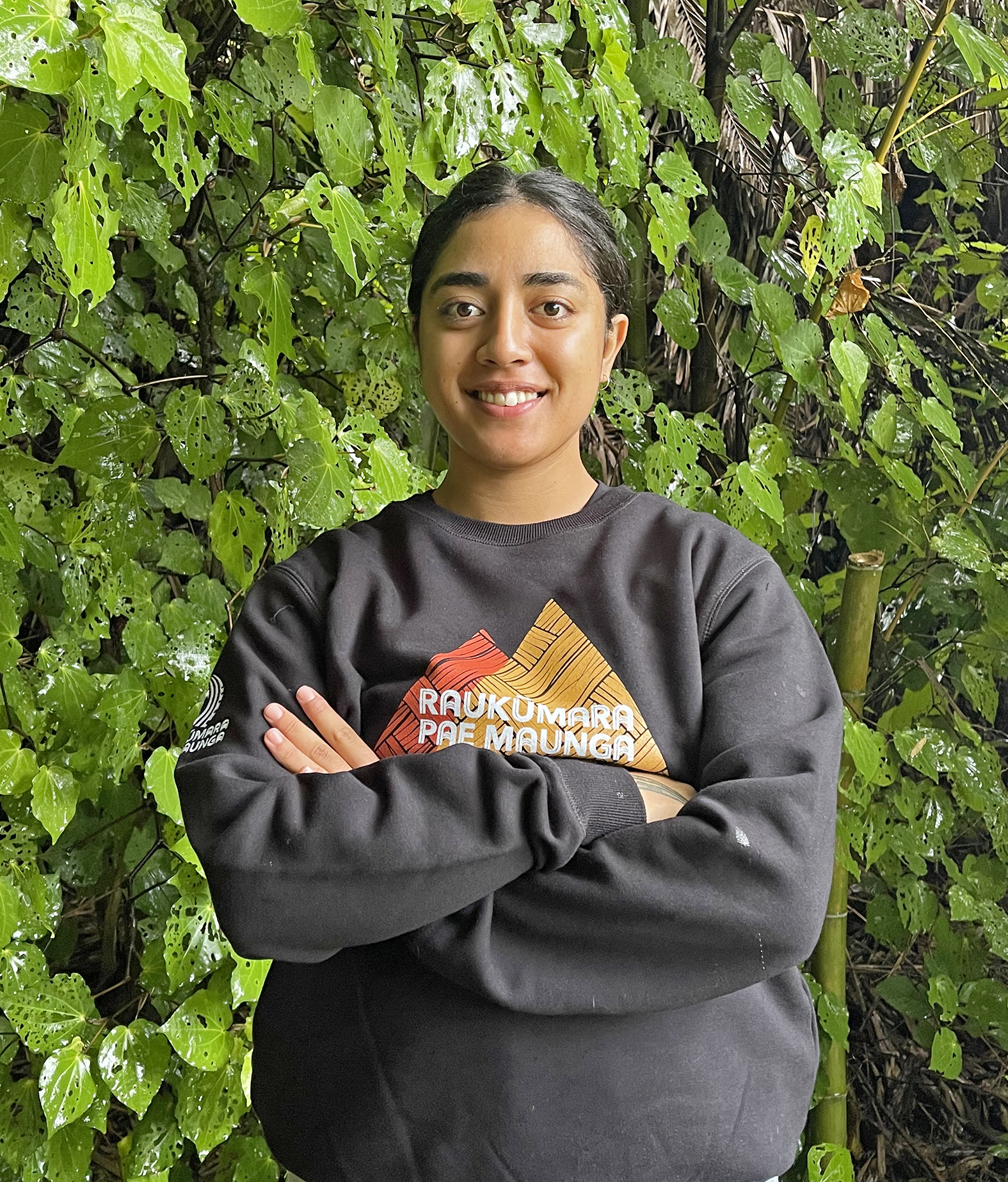
Giving back: Manaia Ngatai-Callaghan is excited to be able to continue her conservation training at home in Te Kaha with the Raukumara Pae Maunga conservation project. Photo supplied
Diane McCarthy
Te Kaha local Manaia Ngatai-Callaghan is excited to be able to continue her conservation training on her home whenua, thanks to a new intership being offered by Raukumara Pae Maunga iwi-led conservation group.
Six months into a one-year Hēteri-Ā-Nuku training programme, working out of the Department of Conservation’s Tauranga office, the Te Whānau A Maruhaeremuri 19-year-old is the first intern to be taken on by the group as part of the department’s Sentinel a Nuku cadetship programme.
“I’ve always had a passion for our taiao (environment), as I was raised by my father down home,” Ms Ngatai-Callaghan said.
“Being the only female in the house, I felt that I have a role to play to give back to our whānau, our whenua and our community for our babies.”
She has already received some practical training in predator trapping, bird monitoring and working with light utility vehicles, scrub bars and helicopter familiarity with DoC.
“Hopefully, this is my turn to come home and give back to our rural community and encourage our whānau that it’s more than just the catch.”
For Raukumara Pae Maunga, a partnership between Ngāti Porou, Te-Whānau-ā-Apanui and the Department of Conservation to carry out large-scale conservation work in the Raukumera ranges, the internship is about sustained iwi capability building.
“Over the last three years we have been building the capability of our own workforce on the Coast, and now we’ve upskilled ourselves, we’ve got to the level where our people can deliver that training to our own people,” said Michaela Insley, the group’s media marketing adviser.
“Over the years, conservation opportunities for people who live in place didn’t exist. One of the beautiful things that Raukumara Pae Maunga has done is open the door to more people to have that opportunity to do work on their own whenua and their own tāeo.
“Manaia will be out and about with the deer and goat culling team and the operations and monitoring team.
“Over the past year our team has been doing a lot of taonga species monitoring, and Manaia will be part of the first trip this year going into the Raukumara ngahere, fresh water monitoring, fruit and flowing tree monitoring and bird monitoring.”
Ms Insley said it was about giving back to the forest, rather than just taking from it.
“The Raukumara ngahere is not just a place that we go and take from. It is part of who we are, and although hunting has been a huge part of our identity forever, the part of our identity we have not had as much focus on is our connection to [the whenua].
“Over the last couple of years people have really taken to that and are going on the moana or the ngahere just to experience it rather than take from it.”
Ms Insley said the partnership had been delivering impact at a scale never before seen in the North Island.
“[We have] the largest aerial 1080 operation in the region, the most extensive deer and goat management programme in the country. But the true success of Raukūmara Pae Maunga is not measured only in hectares restored or pests removed, it is measured in people.
“At the heart of the mahi is a long-term commitment to sustained iwi capability building. This kaupapa is about growing our own expertise, strengthening intergenerational knowledge, and reconnecting people to their role as kaitiaki, people who belong to the forest, not visitors to it.”