
Eastern Bay spared again
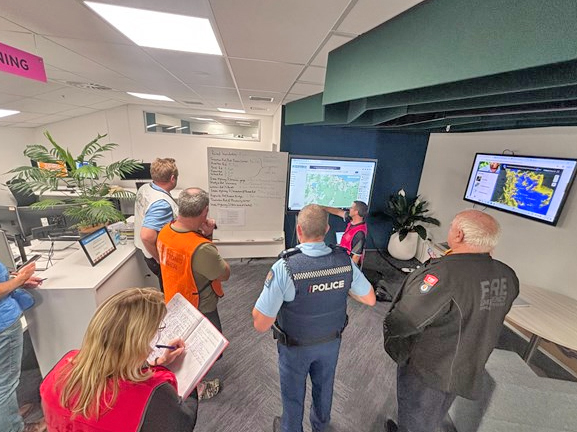
On alert: Whakatāne District Council’s Emergency Operations Centre team assesses the local impacts of the recent severe weather. Photos supplied
Diane McCarthy
In spite of red heavy rain warnings, a national Civil Defence cellphone alert and Bay of Plenty Civil Defence declaring a state of emergency, Eastern Bay districts got off lightly during the storm that struck New Zealand overnight on Wednesday.
The Western Bay was harder hit, and searches were under way for people missing in slips at Mt Maunganui and Tauranga as the Beacon went to print last night.
Several people, including children, were unaccounted for after a massive landslide destroyed parts of the Mount Maunganui campground yesterday morning and two people were missing after a slip hit a rural Welcome Bay home in the early hours.
Meanwhile, Whakatāne residents spent a fearful night after warnings to expect huge rainfalls.
“We’re going to see the highest rainful that we’ve seen for some years, most likely,” Mayor Nandor Tanczos warned on his Facebook page.
However, Bay of Plenty Regional Council recorded 109mm of rain in the Whakatāne township in the 24 hours before 9am Thursday.
Whakatāne District Council announced at around 11am on Thursday that it had stood down its Emergency Operations Centre.
Local Civil Defence controller Mike Avery said the council acknowledged that neighbouring districts, including Western Bay and Tairāwhiti, had experienced significant impacts.
“Over the coming days, we’ll be working closely with Emergency Management Bay of Plenty to identify how we can best support recovery efforts,” he said.
Tairawhiti-Gisborne suffered severe flooding, slips and road closures including State Highway 35 between Potaka and Tolaga Bay.
New Zealand Transport Agency Waka Kotahi said State Highway 35 was no longer a viable detour for the Waioweka Gorge, which is expected to be closed for weeks. However, it was too soon to say how long the route around the East Cape would be closed.
“Our crews are unable to assess it until the water calms down,” an NZTA spokesperson said.
The highway was temporarily closed between Ōpōtiki and Tolaga Bay overnight. After the road was inspected, the section between Ōpōtiki and Potaka was reopened on Thursday morning, with motorists being urged to use caution.
The Tauranga Eastern Link highway was also closed.
Whakatāne District Council reported that western areas of the Whakatāne district received the most rain with Manawahe hills recording 210mm over 24 hours.
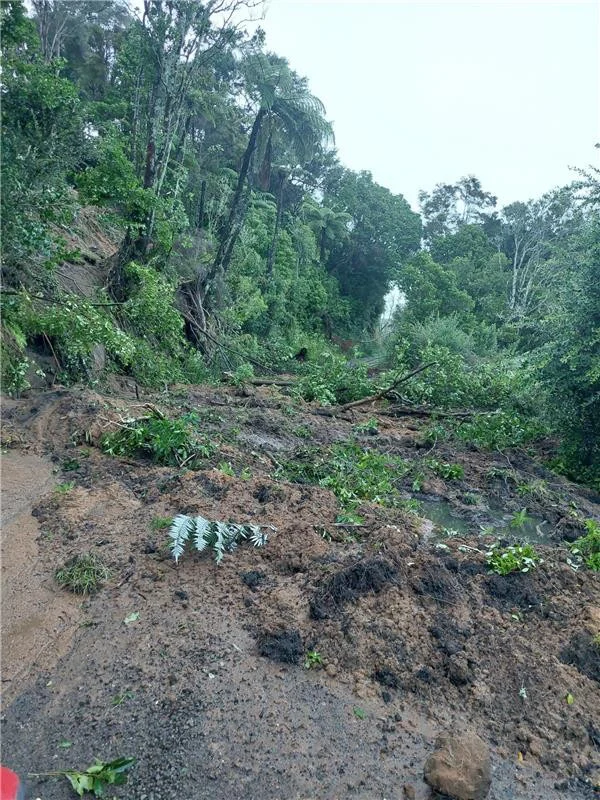
The council reported slips and flooding causing road closures in Matatā, Manawahe and Awakaponga.
The council also extended sincere thanks to residents for heeding safety messages, staying off roads where possible, and providing valuable information.
“Your cooperation has helped keep people safe and enabled our staff and contractors to focus on the most urgent response work.”
Mr Avery also urged that people continue to use caution when travelling within the Whakatāne district.
“While the heaviest rain has now passed, saturated ground means there may still be isolated impacts today. These could include surface flooding, slips, debris on roads, or temporary road closures in some areas. Road users are asked to take care, slow down, and follow any signage or directions from crews on site.”
Whakatāne man rushes to help in Mt Maunganui landslide
“Help us, help us, get us out of here.”
Those were the words Mark Tangney heard when he rushed to help people trapped in a toilet block after the landslide at Mount Maunganui.
Mr Tangney, who’s from Whakatāne but works in the area, said he was heading to the Mount for a hike when he saw people running from the campground this morning.
“I could just hear people screaming, so I just parked up and ran to help.
“I was one of the first there. There were six or eight other guys there on the roof of the toilet block with tools just trying to take the roof off because we could hear people screaming “help us, help us, get us out of here”.
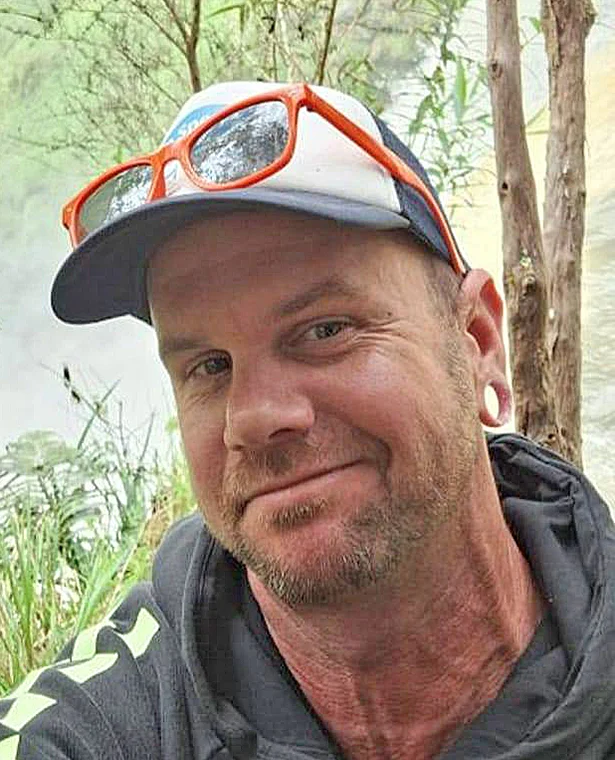
Mr Tangney said they “went hard for about half an hour and after 15 minutes, the people that were trapped, we couldn’t hear them anymore”.
“We just kept going but after about 30 minutes until we got called off the rescue because it was too dangerous and the police told us to get off.”
Mr Tangney said it looked like the mud had pushed about six caravans and the toilet block itself was completely twisted and turned around, probably about 20 metres from where it was.
He believed there were people under the caravans as well.
“We could hear the people underneath screaming for help, so I just wanted to help until the rescue crew got there.”
He said he was a little shaken from what happened, but was “doing okay”.
– BOP Times