
Stone fruit stars of summer
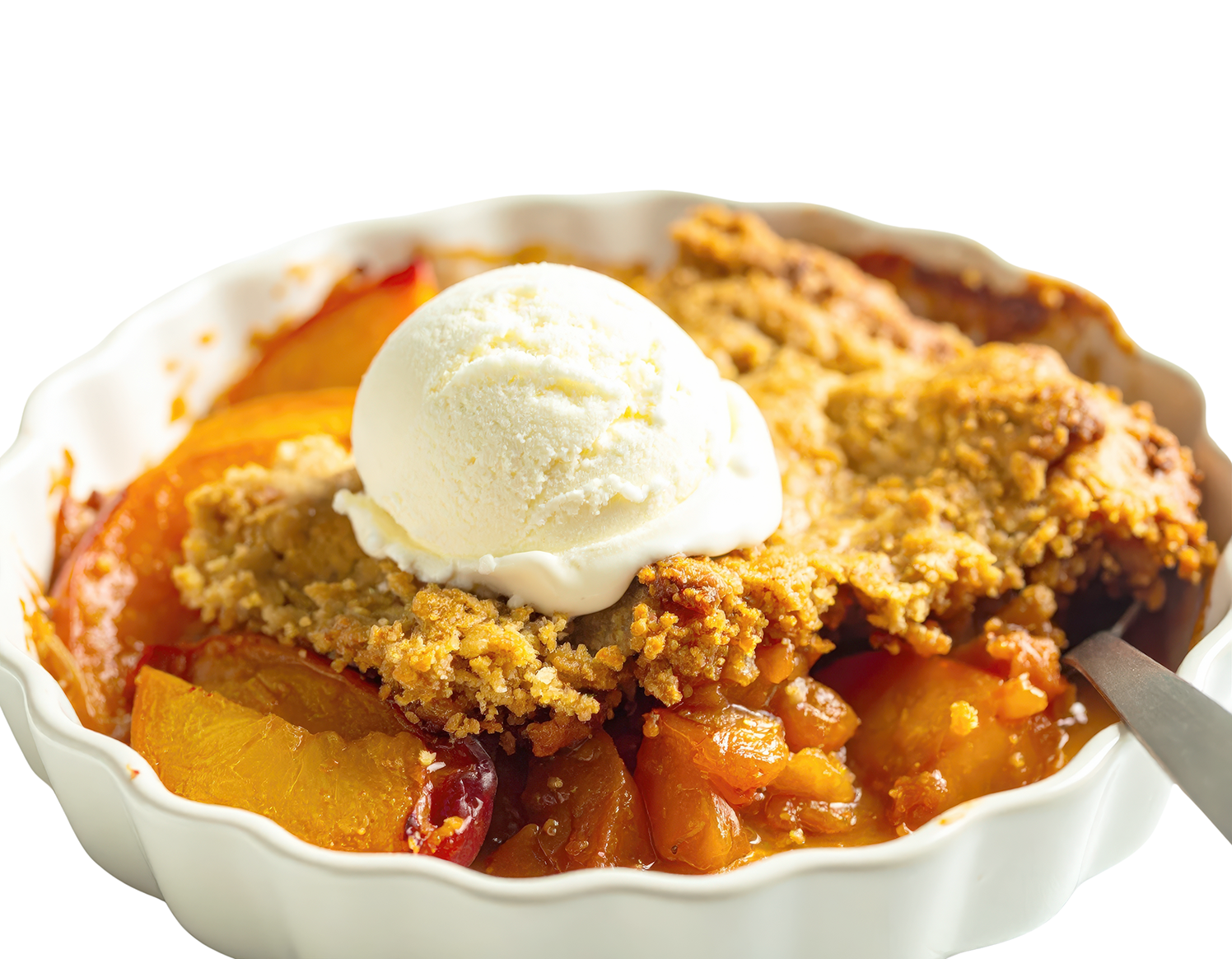
.
■ Nectarines, peaches and apricots
■ Summer in the Bay of Plenty brings with it one of the great pleasures of the season: beautifully ripe stone fruit. Nectarines, peaches and apricots thrive in our warm days, cool nights and fertile soils, making them a true hero in January and February. Besides their sweet flavour and juiciness, these fruits deliver impressive health benefits and can be a joy to grow at home, writes nutritional therapist Paula Sharp in her fortnightly column.
Why stone fruit deserves a place on your plate
Nectarines, peaches and apricots are rich in vitamins, antioxidants and fibre, supporting whole-body health in a very accessible way.
■ Vitamin C is a standout nutrient across all three fruits. This supports immune function, collagen production for healthy skin, and helps the body absorb iron from plant foods. A fresh peach or nectarine is a refreshing way to top up vitamin C on a hot summer day.
■ Beta-carotene, particularly abundant in apricots, gives these fruits their warm orange hue. Beta-carotene converts to vitamin A in the body, supporting eye health, skin repair and immune resilience.
■ Dietary fibre supports gut health, blood sugar balance and cholesterol regulation. Stone fruit contains soluble fibre, which slows digestion and helps prevent sharp blood sugar spikes – especially important for women navigating hormonal shifts or insulin resistance (a blood sugar picture).
■ Stone fruits also provide polyphenols, plant compounds that reduce oxidative stress and inflammation. Regular intake of a variety of colourful fruits has been linked with improved heart health and healthy ageing, something I focus on strongly in my work with women.
Growing stone fruit in the Bay of Plenty
The Bay of Plenty’s climate is well suited to stone fruit trees, particularly in sunny, sheltered spots with good airflow.
Peach and nectarine trees prefer free-draining soil and full sun. They are relatively fast growing and can produce fruit within a few years.
Apricots are slightly more sensitive to frost during flowering but do very well in warmer coastal and inland areas in the Bay.
Pruning is essential for all stone fruit. An open, vase-shaped structure allows sunlight to reach the fruit, improving sweetness and reducing disease risk.
Summer pruning after harvest helps manage size and supports next season’s growth.
If space is limited, dwarf varieties or espaliered trees are a great option and suit home gardens beautifully.
From tree to table: Simple ways to enjoy stone fruit
Stone fruit is at its best eaten fresh, but it also shines in simple cooking where its natural sweetness does the work, no heavy sugar required.
Below are two easy, nourishing recipes that celebrate summer stone fruit.
Eating seasonally isn’t about perfection; it’s about enjoying what grows well where you live.
Nectarines, peaches and apricots are a delicious reminder that good nutrition can be joyful, simple and deeply connected to place.
n If you’d like more seasonal nutrition tips, recipes and practical health guidance, join my free newsletter at paulasharpnutrition.com. It’s where I share evidence-based advice to help women feel informed, nourished and confident in their food choices.
Apricot & peach summer crumble (naturally sweetened)
Ingredients
■ 4 apricots and 2 peaches, sliced
■ 1 tablespoon lemon juice
■ 1 tablespoon maple syrup (optional)
■ ½ cup rolled oats
■ ¼ cup ground almonds
■ 2 tablespoons coconut oil or butter
Method: Preheat oven to 180°C. Toss fruit with lemon juice and maple syrup and place in a baking dish. Mix oats, almonds and oil until
crumbly, then scatter over fruit. Bake for 25-30 minutes until
golden and bubbling. Serve warm with yoghurt or cream.
Serves 4-6
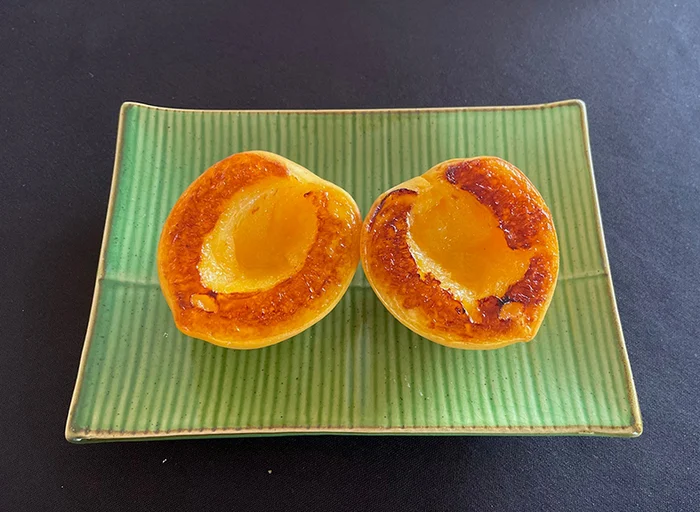
Grilled nectarines with Greek yoghurt and honey
Ingredients
■ 2 ripe nectarines, halved and stone removed
■ ½ cup unsweetened Greek yoghurt
■ 1-2 teaspoons local honey
■ Optional: crushed nuts or seeds for topping
Method: Rub a little coconut oil on the cut side of the nectarines. Grill cut side down on a barbecue or grill pan for 2-3 minutes until lightly caramelised. Serve warm with a dollop of Greek yoghurt, a drizzle of honey and a sprinkle of nuts or seeds. Serves 2
■Nutrition note: Pairing fruit with protein and healthy fats help keep blood sugar steady and supports satiety.