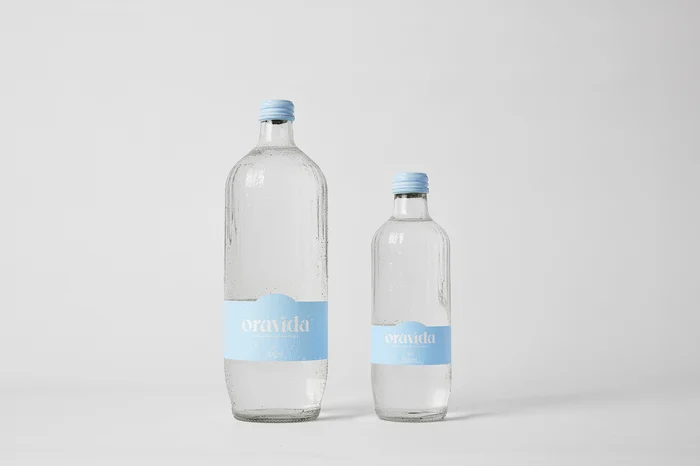
Oravida invests in solar production to power Otakiri site
.
An industry-first renewable energy initiative is set to help Eastern Bay bottled water exporter Oravida as part of a multi-million-dollar expansion into luxury hotels across North America, Asia and Australasia.
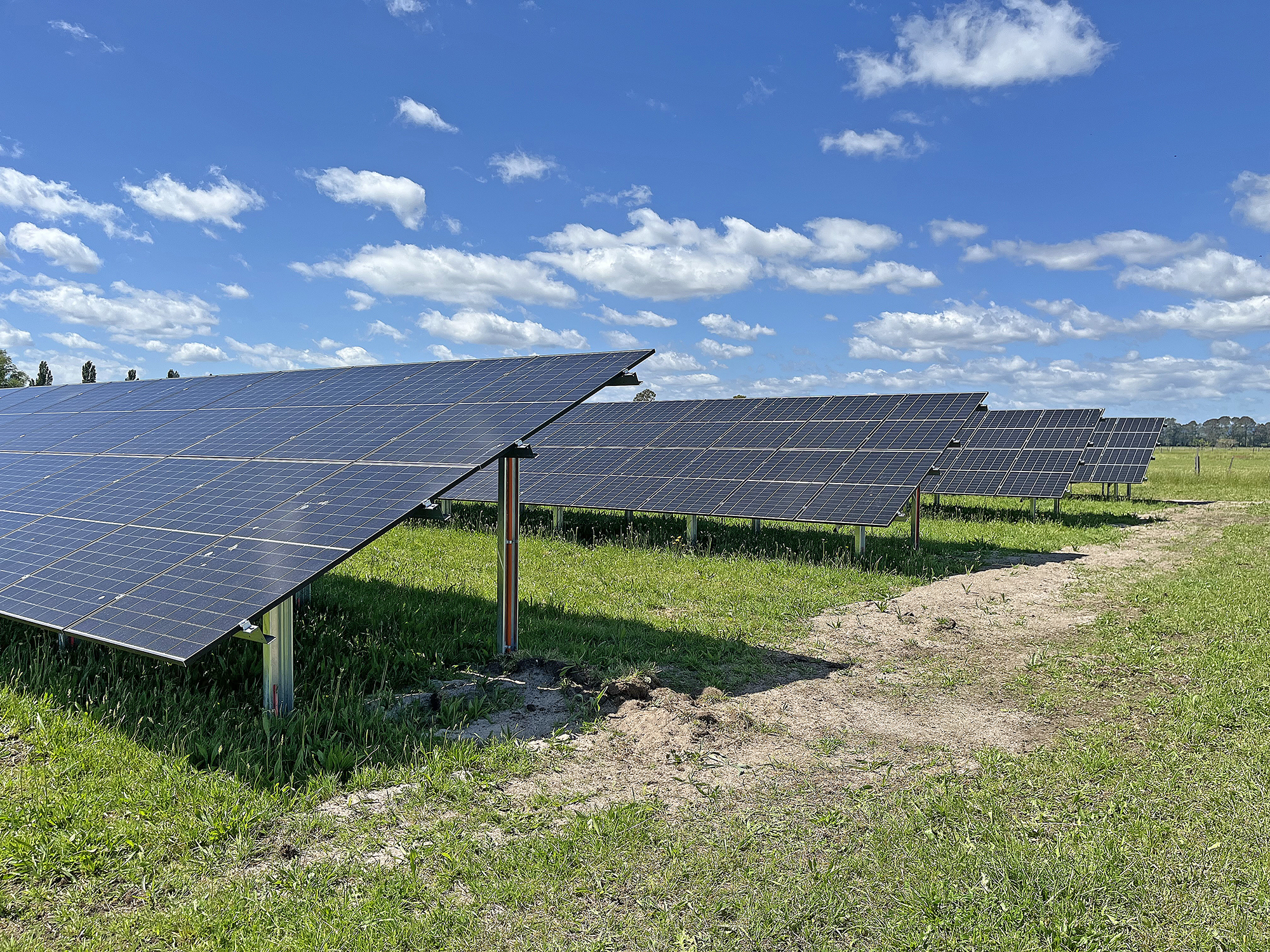
Oravida, one of New Zealand’s largest bottled water exporters, has installed a new ground-based solar farm at its Otakiri bottling plant, supplying two-thirds of the electricity required to run daily operations and strengthening its credentials with international luxury hotel groups that increasingly demand verified sustainability from suppliers.
It is believed the renewable energy project could also provide a new model for rural manufacturers, who often face less reliable electricity supply, but can utilise vacant land to install scalable, solar generation alongside existing operations.
The solar installation, completed late last year, has a capacity of 144 kilowatts and produces enough renewable electricity during peak generation to power the equivalent of around 40 to 50 average New Zealand homes.
The system supplies most of Oravida’s bottling operations during daylight hours, when production demand is highest.
The company has a potential production capacity of 30,000 bottles a day and exports around 85 percent of output, with the remainder sold to the domestic market.
After returning to pre-Covid production and export levels in 2025-26, volumes are expected to increase by up to 40 percent in 2026-27, driven by international expansion and new hotel supply agreements.
Oravida Waters has been in operation since 2015, producing bottled water and 10-litre bag-in-box water for customers in New Zealand and overseas.
The company is also set to introduce an aluminium bottled water format, which will support its sustainability strategy and open new channels such as premium golf courses and outdoor hospitality settings where glass packaging is not suitable.

General manager Robyn Farmer said the investment was believed to be the first time a New Zealand bottled water operation had integrated large-scale solar generation directly into its production process.
“This is about future-proofing the business. Sustainability is no longer optional if you want to work with international luxury hotel brands. It has become a baseline requirement.”
In China, Oravida is already stocked in some of the country’s most prestigious hospitality settings, including Mandarin Oriental and The Peninsula Hotels, where premium bottled water is positioned as part of the overall dining and wellness experience.
In New Zealand, the brand is also served in selected five-star properties, including JW Marriott, reflecting the company’s deliberate focus on high-end hotels and fine-dining venues rather than mass-market retail.
Ms Farmer said global hotel chains required suppliers to complete extensive sustainability and carbon-reporting documentation as part of procurement processes, with environmental credentials often carrying more weight than traditional product information.
“In many cases, more than half of the application is focused on sustainability, carbon reduction and social responsibility,” she said.
“If you cannot tick those boxes, the door simply does not open.”
Based on typical commercial electricity emissions factors, the solar installation is expected to reduce Oravida’s operational carbon emissions by around 960 kilograms of CO2 per year, depending on production levels and grid conditions.
The company is now undertaking formal carbon measurement and certification to quantify its full footprint as part of future international procurement requirements.
Unlike most commercial solar installations, Oravida’s system was built on open land rather than the factory roof, allowing for easier maintenance, higher panel efficiency and future expansion without compromising the integrity of the existing building.
Ms Farmer said the ground-based design also allowed the system to scale as export volumes increased.
The investment also improves operational resilience at the rural Ōtakiri site, which experiences multiple power outages each year.
Though not designed as a full backup system, the on-site generation reduces exposure to grid disruption during daylight production hours and supports more consistent output.
Industry data from across the past decade shows electricity reliability in New Zealand has deteriorated, with both the number of outages and their duration increasing.
The long-term trend shows the average number of outages per customer per year increased by around 2.4 percent annually, while the average total length of outages per customer rose by about 6.2 percent each year, reaching an average of around 250 minutes of outage per customer per year.
Rural-based manufacturers may be more exposed to these disruptions than urban businesses due to longer distribution lines, greater exposure to weather and vegetation and fewer network redundancies.
The solar investment supports a multi-million-dollar international expansion programme, with capital being deployed across new market entry, increased production capacity, new packaging formats and long-term supply contracts with luxury hotel groups in North America, Asia and Australasia.
The renewable energy investment comes as Oravida prepares to enter the Australian market for the first time this year, with its initial shipment scheduled for February.
The company is also laying the groundwork for future expansion into the United States while continuing to grow its Asian customer base.
Ms Farmer said sustainability expectations in China had evolved rapidly over the past five years, driven by both consumer awareness and stricter procurement standards from international hotel groups.
“Ten years ago, sustainability simply wasn’t part of the conversation with customers at home and in Asia, today, it’s central to how premium hotels select suppliers.”
She said the export opportunity remained significant, with New Zealand water offering a distinct taste and mineral profile compared with European alternatives.
“Our water is naturally very soft, with high silica and low total dissolved solids which makes it quite different to Italian and French mineral waters, which are much harder. In premium dining settings, that difference matters.”
Sourced from an ancient underground aquifer beneath New Zealand’s landscape, Oravida’s water has been naturally filtered for more than 1800 years.
The company positions the product as a refined alternative for luxury hospitality, packaged in elegant glass bottles designed for preservation and presentation.
As export demand grows, Oravida expects to increase staffing at its Otakiri operation, with plans to introduce extended production shifts over the next 12 months.
Ms Farmer said the combination of export growth and on-site renewable energy supports long-term regional employment rather than short-term volume expansion.
“This is not about green marketing, rather it's about building a business that can compete in the world’s most demanding hospitality markets, both on quality and on sustainability.”