
Fixing basics of transport rules
.
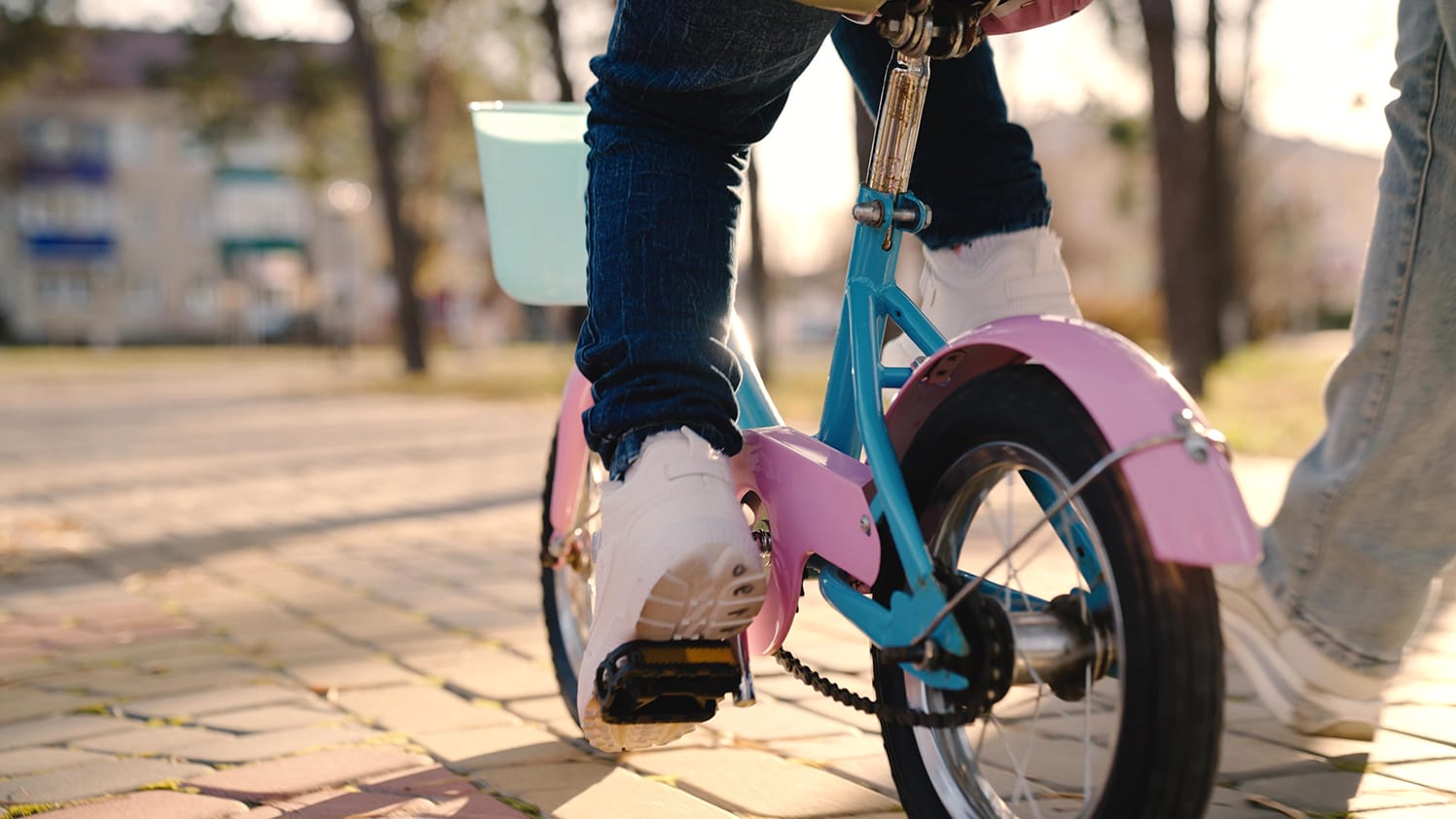
The Government is proposing to make it legal to ride e-scooters in cycle lanes and for children to ride their bike on the footpath.
It is part of its work to “fix the basics” in the New Zealand transport system, with consultation opening today on two packages for rule changes.
Transport Minister Chris Bishop said transport rules were not something many people thought about until they ran into a problem.
“It might be a parent unsure whether their 10-year-old is allowed to ride their bike on the footpath, a driver not clear how much space to give a cyclist, an e-scooter rider not sure if they can use the cycle lane, a bus stuck waiting to pull back into traffic, or a truck operator tied up in paperwork just to move an empty trailer between depots.
“We are fixing the basics by making sure the rules are clear, practical, and reflect how people actually use our roads every day. This is about safer school rides, smoother bus trips, clearer guidance for drivers, and fewer compliance headaches for truck operators.
“This is technical work, but it matters in the real world. It affects how parents teach their kids to ride bikes safely, how drivers pass cyclists or horses on rural roads, how buses pull out in traffic, and how truckies get freight from A to B.”
The first package of proposals focuses on lane use and everyday road rules, aiming to make them clearer and safer for drivers, cyclists, bus users and pedestrians.
“We are seeking feedback on five practical proposals to improve the safe and efficient use of lanes and better align the rules with how people already travel,” Mr Bishop said.
Proposals include:
■ Allowing children up to age 12 (inclusive) to ride their bikes on footpaths, helping keep younger riders safer and reflecting common practice.
■ Introducing a mandatory passing gap of between 1 and 1.5 metres, depending on the speed limit, to give motorists clearer guidance when passing cyclists and horse riders.
■ Allowing e-scooters to use cycle lanes.
■ Requiring drivers travelling under 60kmh to give way to buses pulling out from bus stops.
■ Clarifying signage rules so councils can better manage berm parking.
“Many children already ride on footpaths, although the current rule does not allow them to. Bringing the law into line with reality, with appropriate guidance and expectations around responsible riding, will help families make safer choices,” Mr Bishop said.
“I acknowledge some pedestrians, including older people and members of the disability community, may have concerns. Education and clear guidance will be important, and parents and caregivers will need to ensure children ride at safe speeds and give way to pedestrians.”
The second package focuses on heavy vehicles.
“Freight keeps our economy moving, and truck drivers are the backbone of our supply chains. We have heard clearly from operators that some of the current rules create unnecessary delays and costs without improving safety,” he said.
Under the proposals:
■ Some permit requirements would be removed so rental operators can move empty High Productivity Motor Vehicle truck and trailer combinations between depots and customers without unnecessary delays.
■ Driver licence settings would be updated so Class 1 licence holders can drive zero-emissions vehicles with a gross laden weight up to 7500 kilograms, and Class 2 licence holders can drive electric buses with more than two axles with a gross laden weight up to 22,000 kilograms.
■ Signage requirements for load pilot vehicles would be made more practical.
■ Overseas heavy vehicle licence holders would be able to convert their licences either by sitting tests or completing approved courses.
“These are practical, commonsense changes. They give operators more certainty to get on with their work, reduce compliance headaches, and support the transition to low-emissions vehicles, all while keeping safety front and centre.”