
Driving change – female apprentices take on automotive careers in EBOP
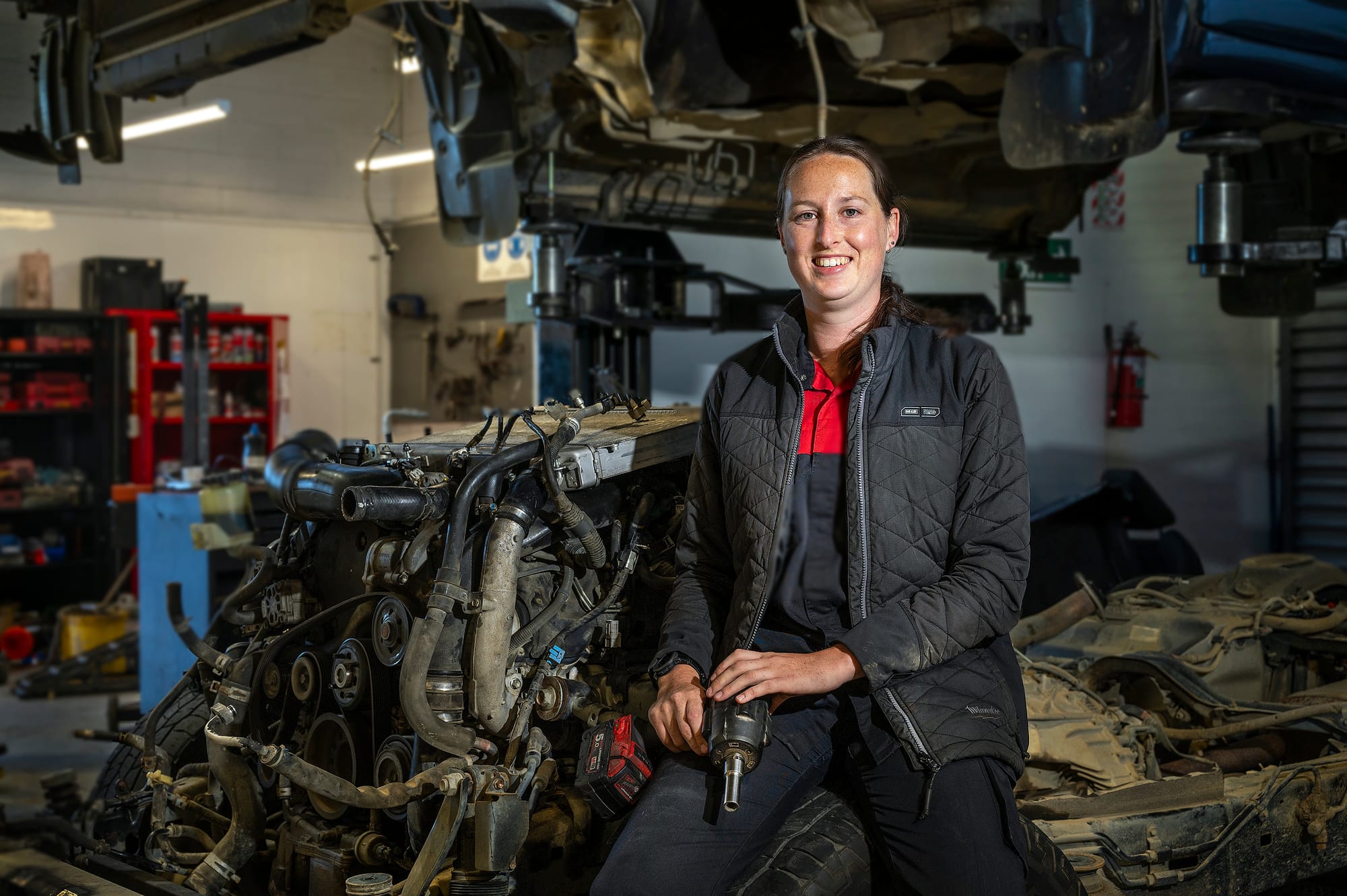
<span style="white-space: pre-wrap;">■ Courtney Dale – Pacific Toyota, Whakatāne.</span>
.
A new generation of female automotive mechanics is emerging across the Eastern Bay, supported by Toi Ohomai Institute of Technology’s Managed Automotive Apprenticeship Programme.
As International Women’s Day approaches on Sunday, March 8, Toi Ohomai is celebrating the achievements of five female automotive apprentices who are proving that a career as a mechanic or automotive technician is both viable and future-focused, at a time when the industry urgently needs new talent.
From workshops in Whakatāne to Kawerau, the apprentices are now in paid roles with employers, and supported by the Toi Ohomai Whakatāne campus:
■ Courtney Dale works as an automotive technician at Pacific Toyota Whakatāne.
Courtney completed a New Zealand Certificate in Light Automotive Engineering (Level 4) – Managed Apprentice qualification.
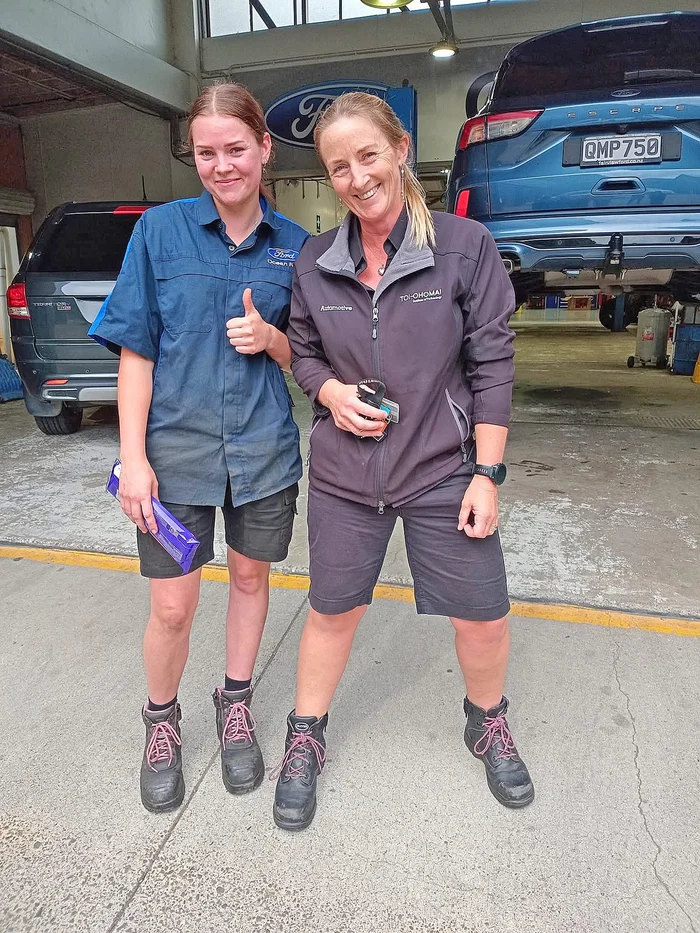
■ Jemma Hayes stepped straight into managed apprenticeship at Ocean Ford in Whakatāne.
She completed a New Zealand Certificate in Automotive Engineering (Level 3) and is working towards becoming fully qualified by completing the New Zealand Certificate in Light Automotive Engineering (Level 4) – Managed Apprentice programme.
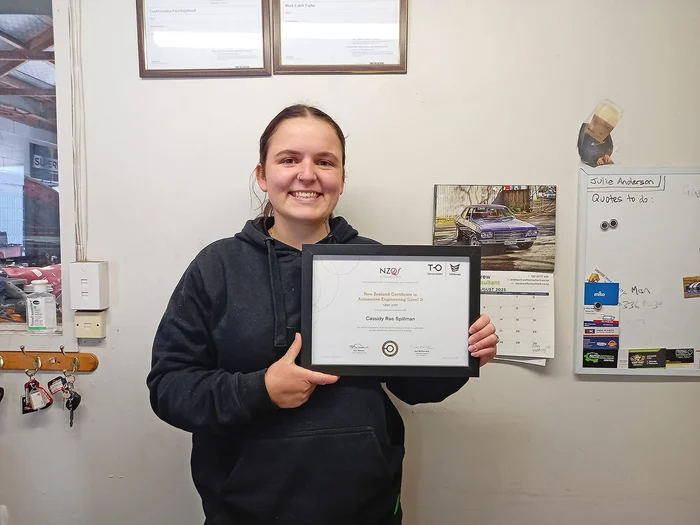
■ Cassidy Spillman is an apprentice mechanic at CCR Kawerau.
She has completed a Certificate in Automotive Engineering (Level 3) and is also working towards gaining her Light Automotive Engineering (Level 4) qualification.
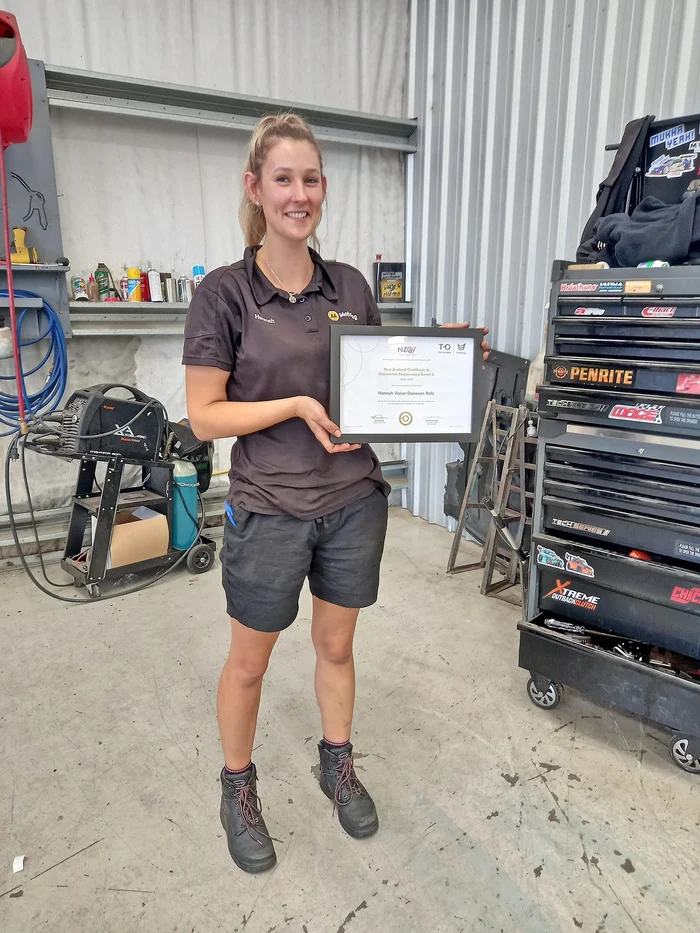
■ Hannah Yells transitioned from retail into the automotive industry.
As an apprentice mechanic at AA Auto Centre Whakatāne, Hannah completed a Certificate in Automotive Engineering (Level 3) while in work and is now working towards the Light Automotive Engineering (Level 4) certificate.
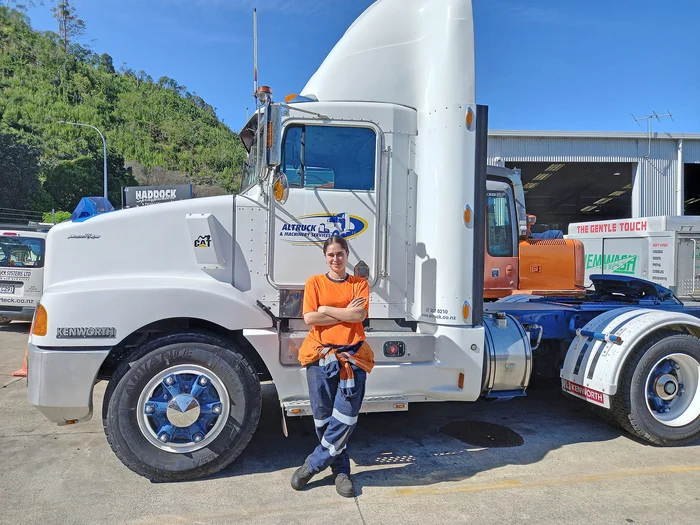
■ Jay McMillan works at Altruck and Machinery Services in Whakatāne.
After completing her Certificate in Automotive Engineering (Level 3) at Toi Ohomai, she is now progressing through the New Zealand Certificate in Heavy Automotive Engineering (Level 4).
Many of these wāhine began their journey into automotive careers as part of Toi Ohomai Institute of Technology’s Secondary Tertiary Partnership (STP) programme.
The initiative connects year 11-13 students across the Bay of Plenty with industry-aligned training options during their final years of high school.
Secondary school ākonga (learners) train on campus at Toi Ohomai during parts of the school week to help fast-track their pathway into in-demand vocations.
Toi Ohomai senior academic staff member – Automotive Apprenticeships and STP, Rebecca Rouse, supports Toi Ohomai automotive ākonga into managed apprenticeships.
She’s based in Whakatāne and says New Zealand’s automotive industry has changed significantly since she completed her own apprenticeship around 25 years ago.
“Modern vehicles rely heavily on electronics, diagnostics and computer-based systems.
“The work is increasingly technical and far less dependent on heavy lifting, making it a more appealing career option for women.
“When I completed my apprenticeship, I was the only female mechanic in my town.
“Now we’re seeing far more women enter the trade with clear, supported vocational pathways,” she said.
Demand for skilled mechanics and automotive technicians has increased significantly in recent years, and shows no signs of slowing.
The 2025 State of the Nation Report by Capricorn – Australasia’s largest automotive co-operative – identifies attracting and retaining skilled staff as the number one challenge facing automotive businesses across New Zealand and Australia.
Its findings show that 43 percent of automotive businesses employ an apprentice, with a further 33 percent expecting to take on a new apprentice in the near term.
The data also points to rising female participation within the automotive industry, with 28 percent of workshops reporting they employ a female apprentice or mechanic.
“This signals a real shift,” Ms Rouse said.
“Plus, women also bring strengths that are highly valued in today’s automotive repairs and servicing industry … Wāhine often bring a high level of attention to detail, strong communication skills and an ability to build trust with customers, contributing a calm and focused presence in the workshop.”