
Opinion: Preparing to meet unfolding challenges together
.
■ Real resilience begins with communities, not government, writes Katherine Langford
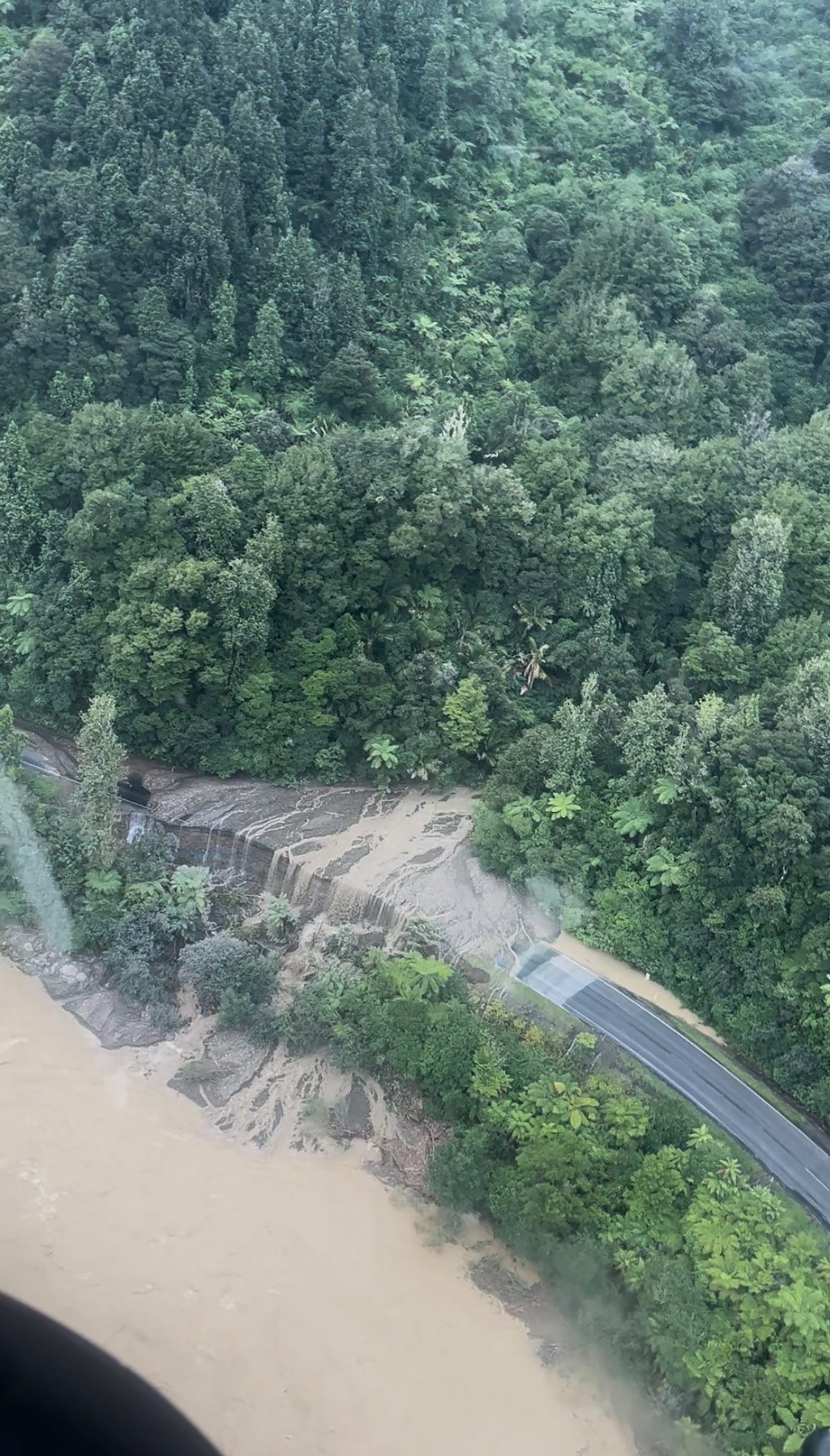
This weekend promises to bring another weather event to our area. We don’t know the full extent of its severity yet, but it is likely Cyclone Vaianu will still be a cyclone when it hits us on Saturday.
A lot of lessons were learned by communities who were the most impacted by Cyclone Gabrielle in 2023.
These lessons were not, nor have ever been, publicly acknowledged by New Zealand governments or mainstream media.
But they are important experiences to draw from in preparing for our future resilience in the face of increasing weather changes and supply chain disruptions.
Some of those lessons for communities in the Hawkes Bay in 2023 included the need for self-sufficiency, food sovereignty and strong community relationships.
It was not the government, or the supermarkets, or the council, or emergency services that came to their rescue.
These people described the dawning realisation that “the cavalry was not coming” and they needed to rapidly organise themselves to ensure their survival.
Supply chain disruptions for petrol, diesel and food are expected to arrive imminently at a time when cost of living is already unmanageable for many people.
Add into the mix rapidly escalating weather events, and we have what is commonly referred to as a “polycrisis”.
Ōpōtiki District Council released its Draft Climate Strategy & Action Plan in December 2025, following its declaration at a council meeting in 2019: “Ōpōtiki District Council declares a climate change emergency and will consider further policies and initiatives as part of future planning processes”.
The plan is admirable in its intentions, but there are no timeframes mentioned at all other than a review in 2030.
It should also be fairly evident by now that our Government acts against the interests of the average New Zealander to protect the “free market”.
In contrast to nearly every other country in the OECD, most New Zealanders will be privately shouldering the cost of the fossil fuel shortage so that the Government has enough on the balance books for a “rainy day”.
It is up to us, members of the community in Ōpōtiki, to organise ourselves and work towards our own future resilience in this new set of circumstances.
If there are community events, go and attend to connect with others. Because the number one determining factor for community survival in difficult or even life-threatening times is human relationships.
And together, solutions will unfold.