
More spending for riverfront
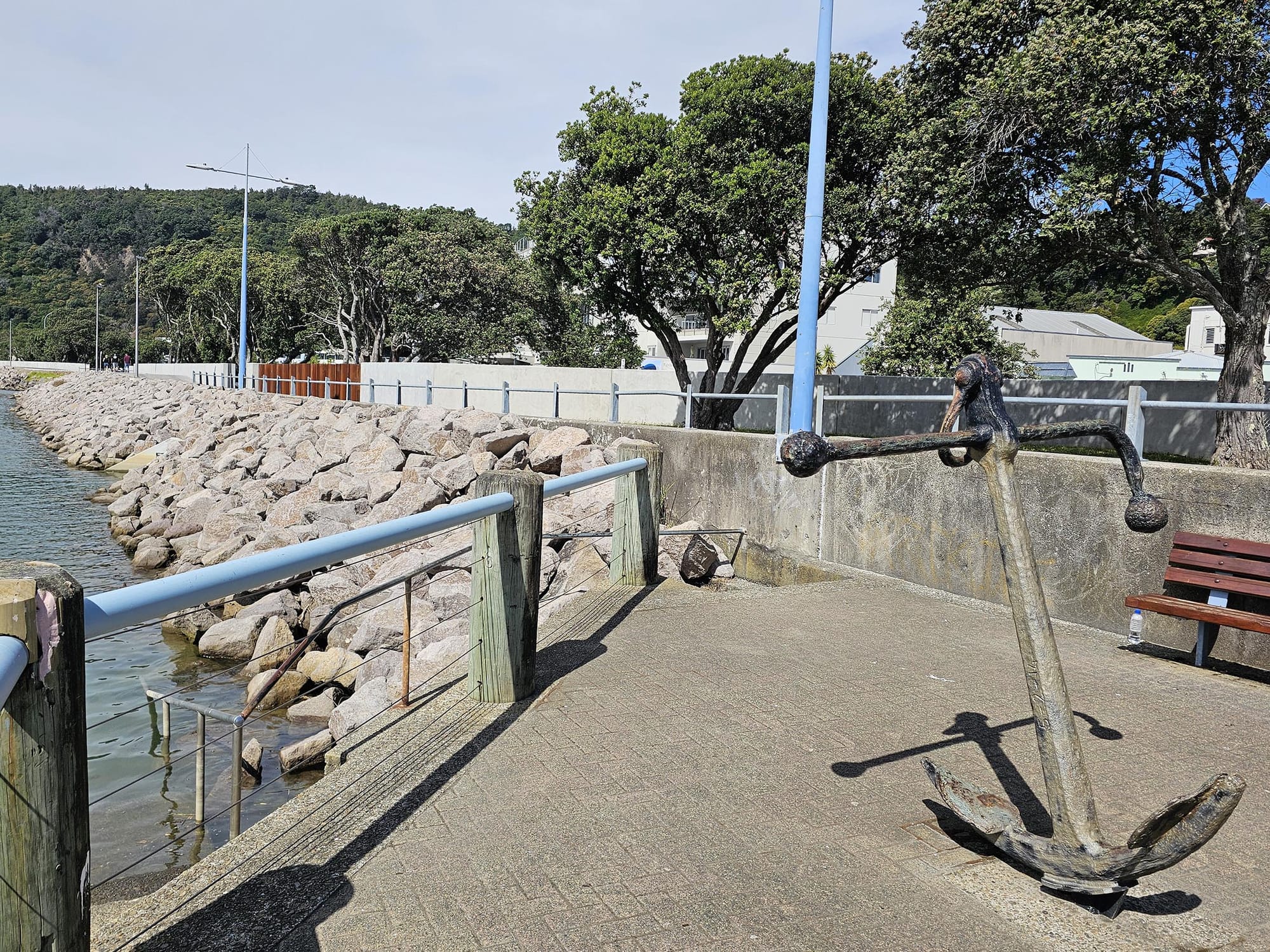
NEW LOOK: Whakatāne riverfront will be seeing some enhancements in the near future after Thursday's decision. File photo
Diane McCarthy
Councillor Lesley Immink has spoken out against spending more than $7.5 million on floodwall integration works in the town centre, even if it means having to hand half the money back to central government.
At a meeting yesterday, Whakatāne District Council decided on options for the Floodwall Integration Project, which aims to soften the visual impact of the raised floodwall and strengthen connections between the town centre and the river.
Mrs Immink said she was happy with the riverfront as it was.
“If you had someone arrive today, to have a look at it, they would be wandering along there probably thinking ‘what a beautiful riverfront’,” she said.
“Aside from accessibility options, which I would be in favour of, I just think we need to be much more constrained with what we are doing.”
Most councillors disagreed, with only one, Jesse Morgan-Ranui, voting with Mrs Immink in the decision.
A baseline option for the temporary park, which includes such items as $30,000 worth of exercise equipment, along with shade structures, catenary lighting and macrocarpa balance beams, received the majority vote.
This option does not include any optional extras that could cost a further $2.1 million in ratepayer funding, already budgeted for in the council’s long-term plan, such as retaining the old Plunket building, a $700,000 water play area, and a basketball court in the carpark area near Mātaatua Reserve.
Mayor Nandor Tanczos said he didn’t think handing the money back to Kānoa was the right approach.
“Any savings that would be made, given the amount of money that we’d have to give back, would be so minimal that it would not be worth the forgone opportunity,” he said.
He also felt the reputational risk for the council not delivering the project would be significant.
“We’re going to be seeking Crown support for various projects in the future, and if we’ve got a reputation that we’re not able to deliver projects, we’ve got no show. So, we have to be able to deliver something. The cost to us is pretty small given the benefits that it’s going to have.”
Over $700,000 of the project’s cost would be demolishing the buildings on the corner of Quay Street and The Strand, including the 1950s restaurant and bar and the Plunket building.
Mrs Immink does not think the council should be carrying out this work. Instead, it should be more proactive in trying to attract a developer to the site who would do the work.
Council staff managed to secure $3.75 million in co-funding for the project from Kānoa, the Ministry of Business, Innovation and Employment’s Regional Economic Development & Investment Unit.
It must match that dollar for dollar or pay it back.
The council was asked to note that more than $207,000 had already been spent on enhancement works along Kakahoroa Drive and $1 million on Quay Street.
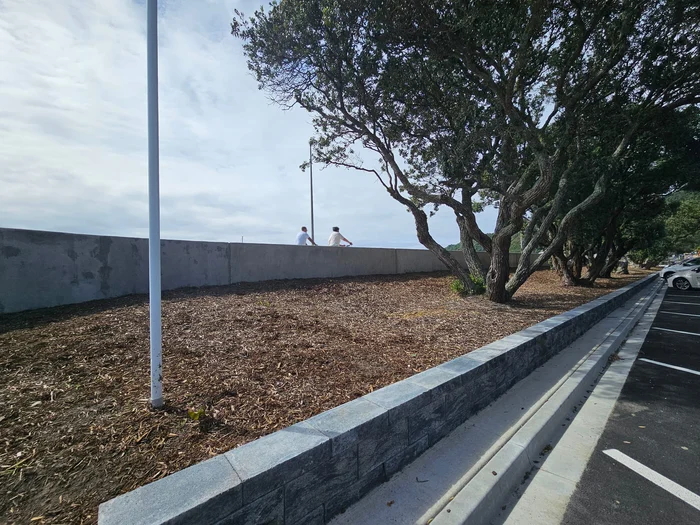
The Quay Street works included raising the height of the footpath, kerbing and bark.
Mrs Immink said she was astonished at how much the council had paid for this work.
“We are in a time of constraint ... I feel that at this time we need to tighten the belts and show that constraint for our ratepayers because we know more costs are coming and this is an area where we can actually save $3.1 million,” she said.
The council was not prepared to pay $190,000 to retain the old Art Deco Plunket building which is leased to conservation group Halo Whakatāne.
When the adjoining buildings are demolished, the building would require extensive structural work on exterior walls. It could not be moved to another location.
Halo has been given until June 30 to leave.
"As far as the Plunket building goes, it’s a really quirky building, and I really like it, but it’s tiny,” Mr Tanczos said.
“The opportunities of doing something in there are very limited. I’m just not sure that putting the money into that would be worth doing, sadly.”
Councillors have instructed staff to seek external funding to co‑fund three additional design features from the remaining $2.1 million allocated in the 2024–2034 Long Term Plan budget. These are additional accessways and ramps, shade structures, and a basketball area.
The project will now move into the detailed design and consenting phase.