
Ōpōtiki Mayor David Moore - Month of highlights and lowlights
.
It feels like we’ve dropped into ngahuru / autumn very quickly this year with the changing seasons, cooler mornings and colourful trees about the district.
Like the season, April has been a month of highlights and lowlights. One of the really bright moments for me this month was the pohiri for the new principal at Ōpōtiki college. There was a real sense of excitement and enthusiasm for Glenn Phipps’ welcome and it was a great day of hope and pride with everyone there at the kura.
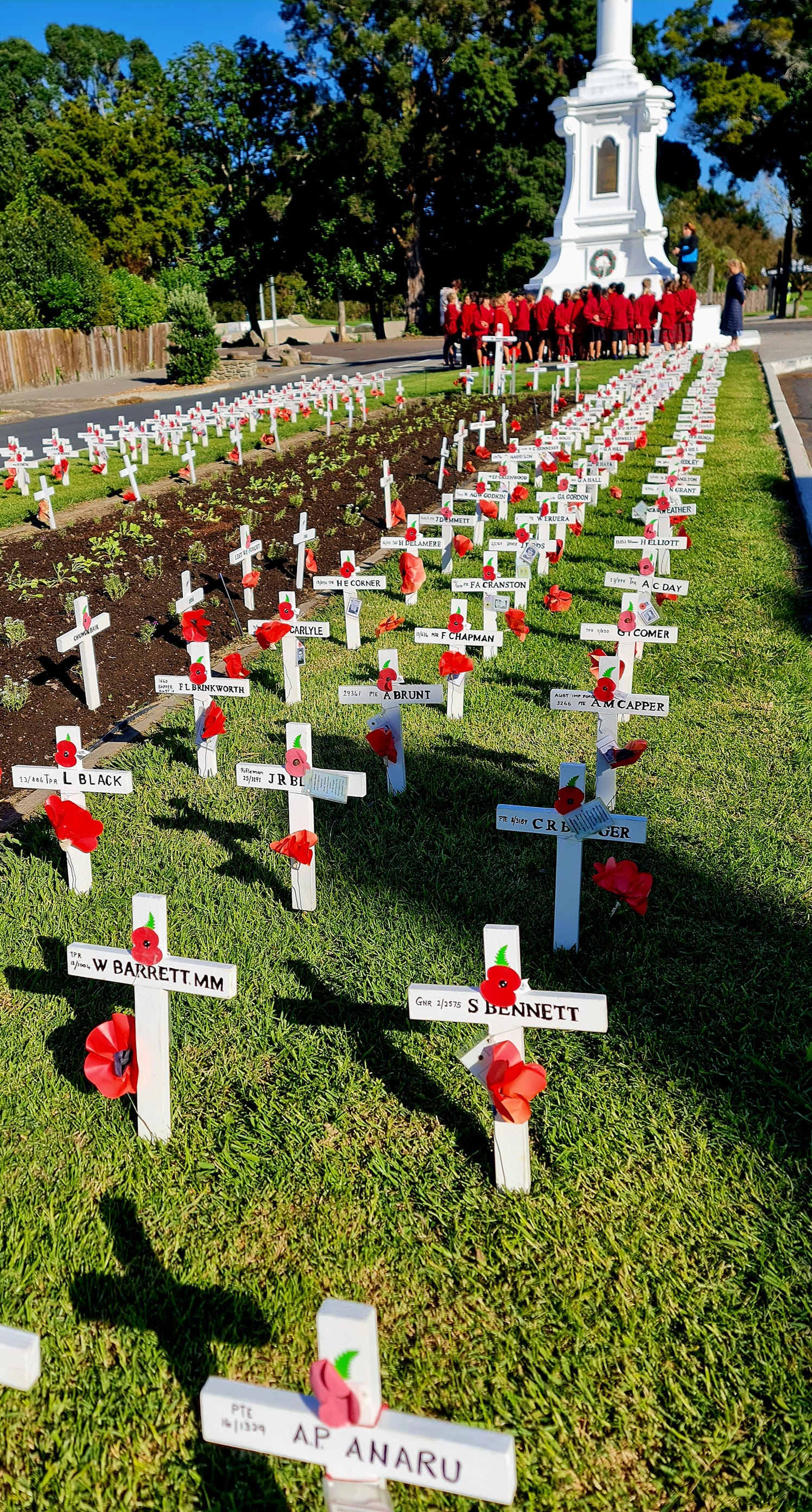
This year’s Anzac commemorations were also a highlight, particularly the dinner at the Ōpōtiki Returned Services Association with returned services’ men and women and their whānau.
Our Anzac commemorations acknowledge all those who have worn our country’s uniform with pride, serving here and overseas in the past and present.
It is troubling times in our inter-connected world right now and this year’s Anzac services were a reminder that our allies and partnerships matter and can’t be taken for granted. The original Anzacs gave us a legacy of mateship, courage and sacrifice and we honour them each year and try to uphold these values in our own lives.
Cyclone Vaianu was a lowlight with a sliver lining. It was perhaps our third or fourth big storm event this year and I appreciate just how exhausting it is for our whole community.
The anxiety, the preparation and the clean-up all take their toll. There are individuals and businesses who continue to struggle with access and closures, although at the same time I’d like to acknowledge just how hard our road crews have worked to keep these constantly slipping roads open across the motu.
But the silver lining, as always, is the community response. From neighbours and friends looking out for each other, to the long hours put in by staff in their roles as civil defence, iwi partners and services like FENZ, Police, and a virtual army of volunteers of all sorts.
As a council we have been putting some thought into this space as well, although there are no easy answers. Nationally, we are spending 0.6 percent of our GDP on responding to natural disasters – double the global average. And a heck of a lot of that is through rates and council spending as our infrastructure takes a battering.
Across local government we’ve been saying we need to look up from constantly responding to events and look ahead and see how we can plan for this better.
Locally, you’ll certainly be seeing more of these discussions through things like Local Water Done Well, our long term planning for capital works, and hazard planning.
When you see these council discussions, it will be important to remember the start of 2026 and why we are having them right here in the local context.
David Moore