
Strong results for kōkako
.
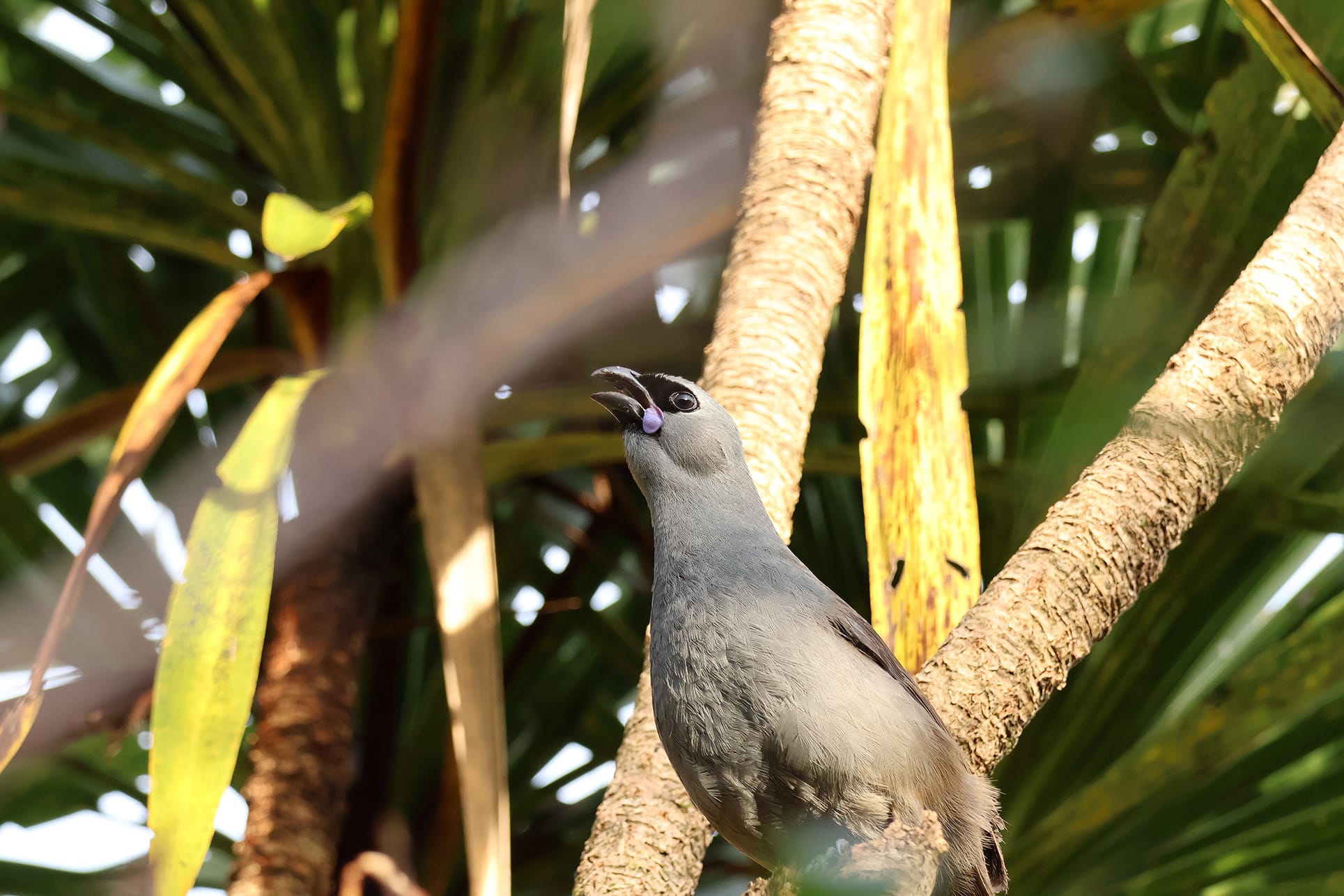
The kōkako population at Manawahe has reached its highest level in more than 20 years, marking a major milestone for one of Aotearoa’s most vulnerable native birds.
As autumn settles over the Manawahe forests, the kōkako breeding season draws to a close and the birds begin moulting. This marks the end of a highly successful season for a population that has faced significant challenges over the past century, but is now showing strong signs of recovery.
The North Island kōkako was once widespread, but suffered major decline throughout the 20th century due to habitat loss through forest clearing and predation by introduced species such as ship rats and brushtail possums. Manawahe is now home to one of just 11 relict populations remaining in the North Island: a surviving, original population in that location, rather than one that has been reintroduced, often retaining unique local characteristics such as birdsong.
By 1997, this population had fallen to just 14 birds, creating a severe genetic bottleneck as a result of habitat fragmentation and predation.
In response, a dedicated group of volunteers formed the Manawahe Kōkako Trust, establishing extensive bait station and trapping networks to reduce predator numbers. Although the population initially recovered, numbers declined again from 2007, reaching a low of just three pairs and five singles by 2021.
Funding from a Lottery grant enabled further investigation into this decline. Nest cameras and monitoring revealed that predation was no longer the primary issue. Instead, high levels of egg unviability suggested inbreeding, highlighting the need to increase genetic diversity.
Following extensive approvals, kōkako were translocated from nearby populations. In 2019, three pairs were brought from Kaharoa, followed by three pairs from Rotoehu in 2021. This work was made possible with the support of Ngāti Rangiwewehi, Tapuika Iwi Authority, Ngāti Mākino and Ngāti Rangitihi.
These translocations were followed by intensive monitoring. Expert contractors located nests, and volunteers undertook weekly checks, despite challenges with the species’ secretive behaviour.
The results have been encouraging:
- 2023/24 season: minimum of four chicks fledged, the best result in a decade
- 2024/25 season: minimum of six chicks fledged, population around 20 birds
- 2025/26 season: minimum of nine chicks fledged, the best result in over 20 years, with a population now exceeding 30 birds
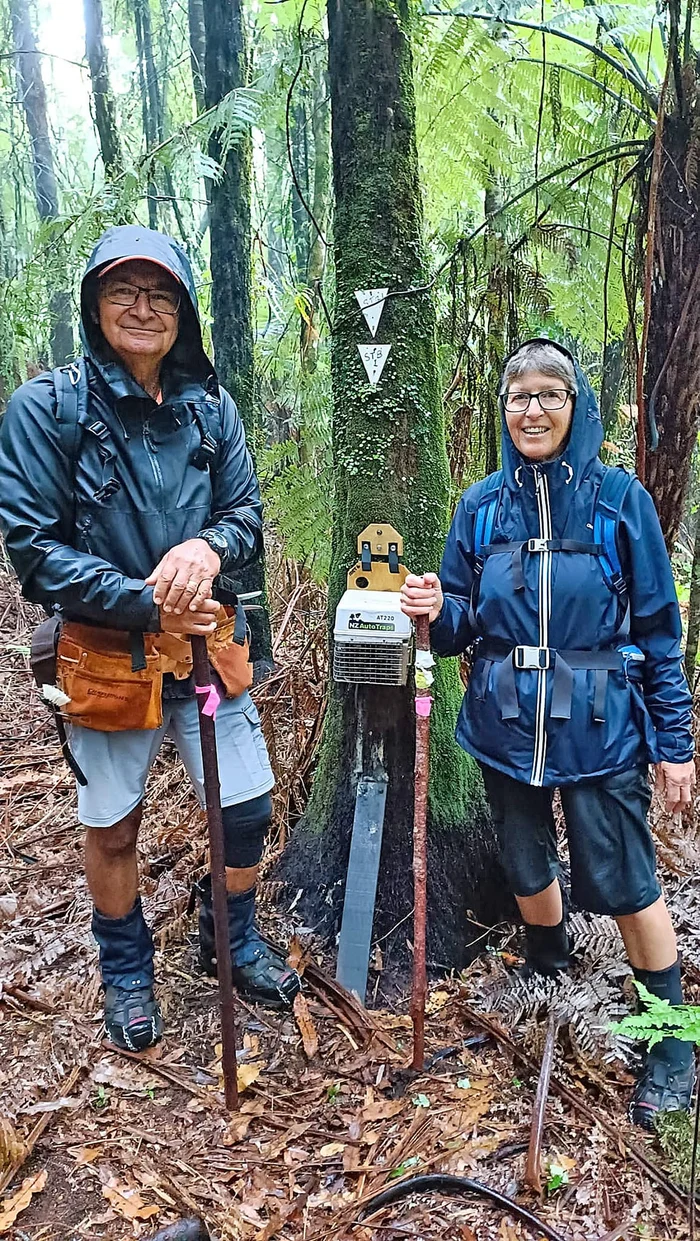
This success reflects nearly 30 years of sustained volunteer effort, with generations of locals working to restore and protect the forest, supported by the goodwill of private landowners and the Regional Council. In 2023, the Manawahe Kōkako Trust amalgamated with Manawahe Eco Trust, strengthening this ongoing work.
Today, about 800 hectares of core habitat are intensively managed. Around 900 bait stations are serviced twice yearly, supported by a network of traps checked monthly. Rat tracking is reduced to zero prior to the breeding season, and possum numbers are kept extremely low, with a 2025 survey recording zero possums over 300 trap nights. Alongside predator control, the trust also targets browsing species such as deer and wallaby, where permitted, and works to reduce the ongoing threat posed by feral cats. In areas with low browsing pressure, the forest is regenerating strongly, providing food and shelter for native biodiversity.
This work is made possible through the continued support of BayTrust, Lottery Grants Board, Bay of Plenty Regional Council, Whakatāne District Council, The Lion Foundation, Rangitāiki Community Board, QEII National Trust and private donors.
The benefits extend beyond kōkako. Manawahe supports a wide range of native wildlife, including kārearea (New Zealand falcon), pōpokotea (whitehead), tītitipounamu (rifleman), toutouwai (North Island robin), as well as pekapeka (long tailed bats) and ngārara (lizards). These species play essential roles in pollination, seed dispersal and insect control, contributing to overall forest health.
Healthy, recovering forests provide wider community and environmental benefits, particularly in the face of climate change. They are more effective at removing and storing carbon from the atmosphere and are more resilient to extreme weather events. In contrast, forests that are hollowed out by deer, wallaby and possums become degraded and fragile, with a reduced ability to store carbon and withstand environmental stress.
This work demonstrates what can be achieved through long-term, community-led conservation. However, it also highlights the need for ongoing effort. Without sustained predator control and habitat management, kōkako populations can quickly decline again. Maintaining these gains requires continued commitment, as there is no pause in conservation without risking reversal.