
Neurodiversity Family Support aims to bridge critical gap
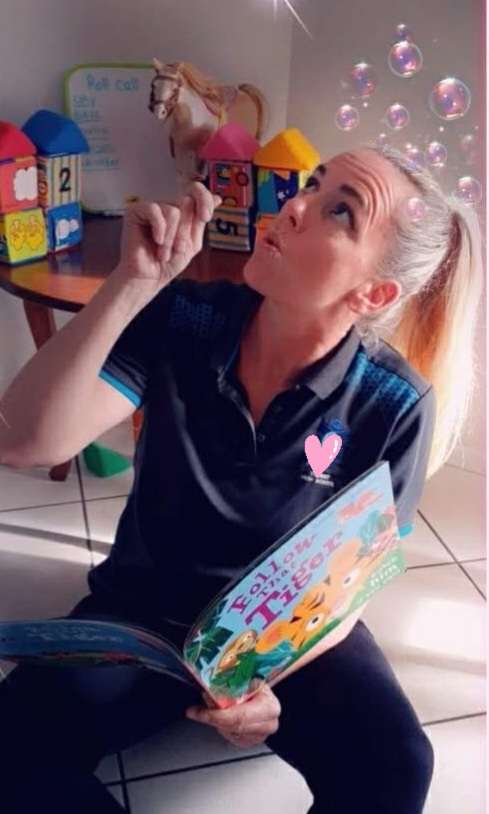
INTERACTIVE SUPPORT: Natasja Boon uses engaging tools and practical strategies to help neurodiverse children and their families thrive. Photos supplied
Tamara Herdman
A new local support service is helping Eastern Bay families navigate the often-overwhelming world of neurodiversity, education systems, and funding pathways, with a focus on practical, in-home and school-based guidance.
Former teacher Natasja Boon has launched the Neurodiversity Family Support service after identifying what she describes as a major gap in support for families who fall outside government-funded services.
“I’ve been working in schools for a long time and I can see this gap between people that have very high needs, and access supports such as ORS funding, and those that don’t qualify.”
ORS funding, or Ongoing Resourcing Scheme, provides funding to students in New Zealand with the highest levels of ongoing need.
“That is a very small percentage of all the special needs kids that get that. If you just fall outside that, you still need a lot of help.”
Ms Boon said many families were left waiting long periods for assessment and diagnosis, sometimes one to two years, only to receive limited follow-up support.
“They get a report saying, yep, this is the diagnosis. Your child has autism, ADHD, or a learning disability, and then no funding or supports to help.”
She said children often masked their challenges at school, but struggled significantly at home.
“They often come home to their safe space and they just fall apart, and there’s no help for parents at home.”
Ms Boon said some neurodiverse children remained quiet at school and went unnoticed, while families were experiencing significant behavioural and emotional stress at home.
“A lot of these kids are gifted, too, so they can mask their symptoms at school.”
Her service focuses on helping parents understand neurodiversity and put practical strategies in place at home. She said simple tools could make a significant difference for children experiencing overwhelm.
“I help parents set up routines at home with a sensory programme. Sensory boards make tasks visual and tactile.”
Her work includes modelling communication strategies for children who are non-verbal or struggling to express needs.
“I teach parents to use these because often meltdowns come from, ‘I can’t tell you what I’m feeling.’”

Ms Boon also works alongside families to apply for funding, advocate during meetings, medical appointments and school processes.
She said a major issue was carer burnout, particularly where respite support was difficult to access.
“A lot of parents or caregivers can’t get respite carers for the short number of hours they are allocated funding for.”
Ms Boon holds bachelor’s degrees with honours in teaching and biology, and diplomas in neuroscience and teaching additional needs. She has worked in specialist education settings including at Trident High School and James Street School and with the Ministry of Education through Intensive Wraparound Services.
She is passionate about ensuring neurodiverse students receive the correct support, and said this often was not happening because schools were under significant pressure.
“A lot of classes have got something like six neurodiverse kids and teachers are really struggling.”
Ms Boon is working independently, offering consultations ranging from short sessions to more in-depth support for ORS applications and school advocacy. She also provides optional in-school observation and feedback, with agreement from schools and whānau.
“I’m there for the family, to advocate and connect them with support services, while also providing practical support.”
She aims to make support more accessible while families wait for formal services.
She said a free community coffee support group meets once a month through Parent-to-Parent Coastal Bay of Plenty. Those wanting to attend can contact the organiser through the website: www.parent2parent.org.nz/locations/coastal-bay-of-plenty/
The group is not organised by Ms Boon, but she attends and considers it a valuable local support option.
To discuss whether her services are the right fit, a free initial 15-minute phone call is available, followed by paid sessions for ongoing support.
Families can contact her via her Facebook business page, Neurodiversity Family Support.