
A healthy gut for wellbeing
News Editor
- Gut health matters more than you think for
wellbeing, writes Paula Sharp
“All disease starts in the gut.” This is a refrain that has stayed with me since my training over a decade ago. What does it really mean?
We often take the body for granted, especially when we’re young. We push through late nights followed by early starts, playing sport when we feel off, running on empty and still performing.
There’s a sense of invincibility. But over time, the bounce-back slows. Energy dips, weight becomes harder to shift, cravings ramp up, and the body starts sending clearer signals; frequent colds, digestive discomfort, that spongy, unsettled feeling in the abdomen.
So, where does the gut come in?
Often referred to as the “second brain,” the gut plays a central role in overall wellbeing. It influences digestion, immunity, hormones, cravings, and even mood; impacting anxiety, depression, and mental clarity.
At the heart of this is the gut microbiome: trillions of microorganisms (bacteria, fungi, and viruses) living in the gastrointestinal tract.
This ecosystem supports digestion and nutrient absorption, communicates with the immune system, and helps regulate key physiological processes. When it’s balanced and diverse, we tend to feel well. When it’s disrupted, symptoms often follow.
What impacts gut health?
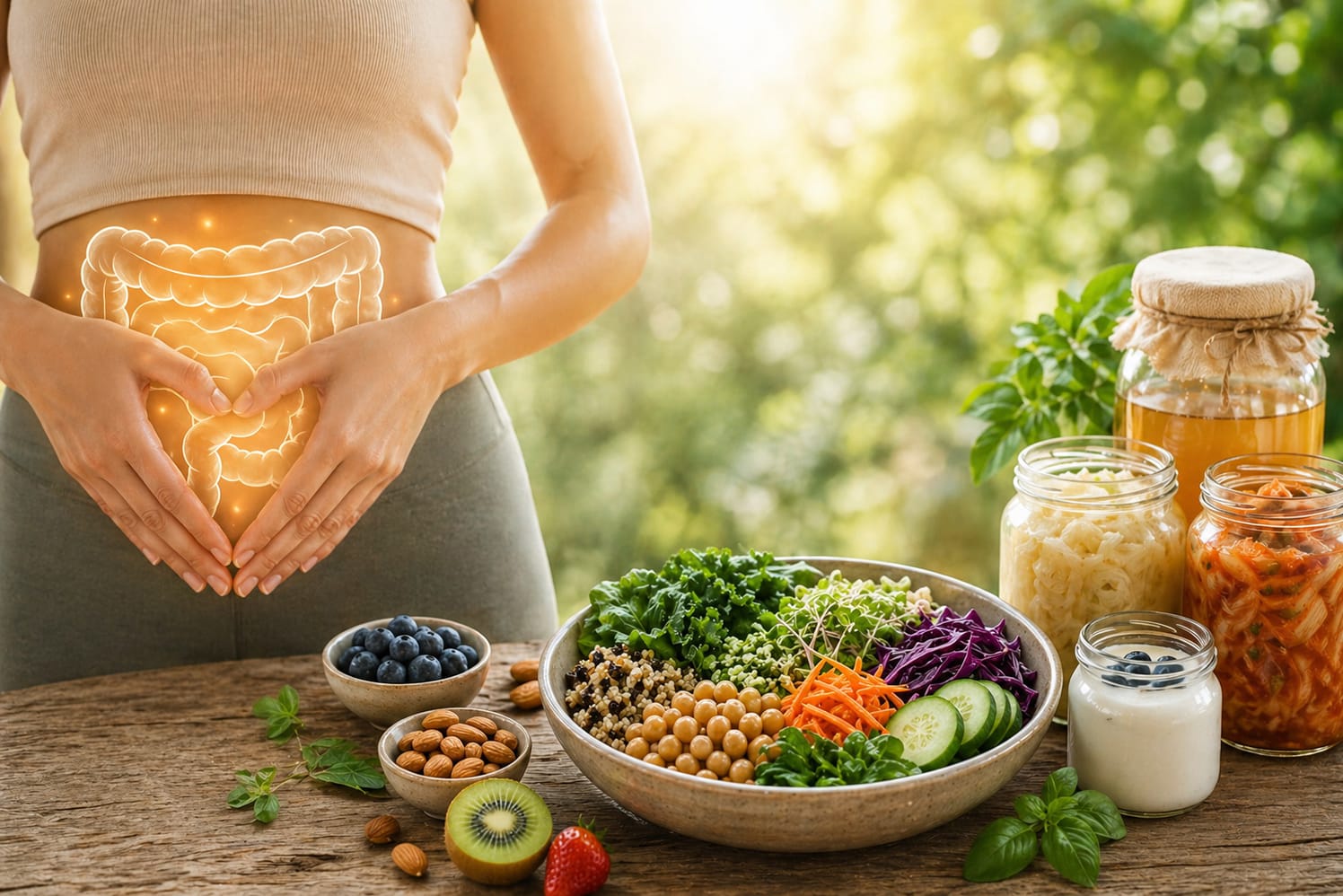
Diet: What we eat shapes our gut. Fibre-rich foods; vegetables, fruit, legumes, nuts, seeds, and whole grains feed beneficial bacteria (think of it as creating a thriving bacterial jungle). Diets high in processed foods, sugar, and unhealthy fats do the opposite, encouraging imbalance and inflammation.
Personally, I seriously dislike the phrase, “eat a balanced diet”. I prefer something simpler and more actionable, like: “eat real food.”
Lifestyle: Stress, sleep, and movement all influence the gut. Chronic stress, in particular, can alter the microbiome and increase susceptibility to digestive issues and illness.
Medications: Antibiotics can be lifesaving, but they also wipe out both beneficial and harmful bacteria. Supporting the gut during and after antibiotic use with the right food sources and/or probiotic (ideally guided by a practitioner) can make a meaningful difference.
Environmental exposure:
Toxins (from pesticides to pollution) can disrupt the microbiome and weaken the gut lining over time.
How to support your gut.
This is so much more than a list of bullet points and can feel overwelling. But start with one thing.
- Eat whole, nutrient-dense foods, prioritising fibre and variety
- Include fermented foods like yoghurt, kefir, sauerkraut, kimchi, and kombucha
- Manage stress through practices like walking, breathwork, or time in nature
- Aim for 7-9 hours of quality sleep each night
- Stay well hydrated
- Reduce exposure to unnecessary chemicals and toxins
Small, consistent changes matter. You don’t need a complete overhaul, just a steady shift towards habits that support your body rather than deplete it.
If you’re noticing ongoing symptoms; low energy, digestive discomfort, persistent cravings, or frequent illness, it may be time to take a closer look at your gut health.
This is where personalised support can be powerful. Working one-on-one with nutritional therapist Paula Sharp allows you to uncover what’s driving your symptoms and create a clear, sustainable path forward – one that fits your life.
The gut may be tucked away, but it deserves attention.
When you support it well, the ripple effects are felt throughout the entire body.
Always remember: small changes lead to significant improvements over time.
A longer version of this article was printed for OrganicNZ and can be found on their website.
The YouTube screening for the Soil and Health NZ links for the interview A Healthy Gut with Paula Sharp will be on May 7 at 7pm with this link: https://youtu.be/TJ7Ntq2v7-Q