
Bay residents urged to check their indoor temps this winter
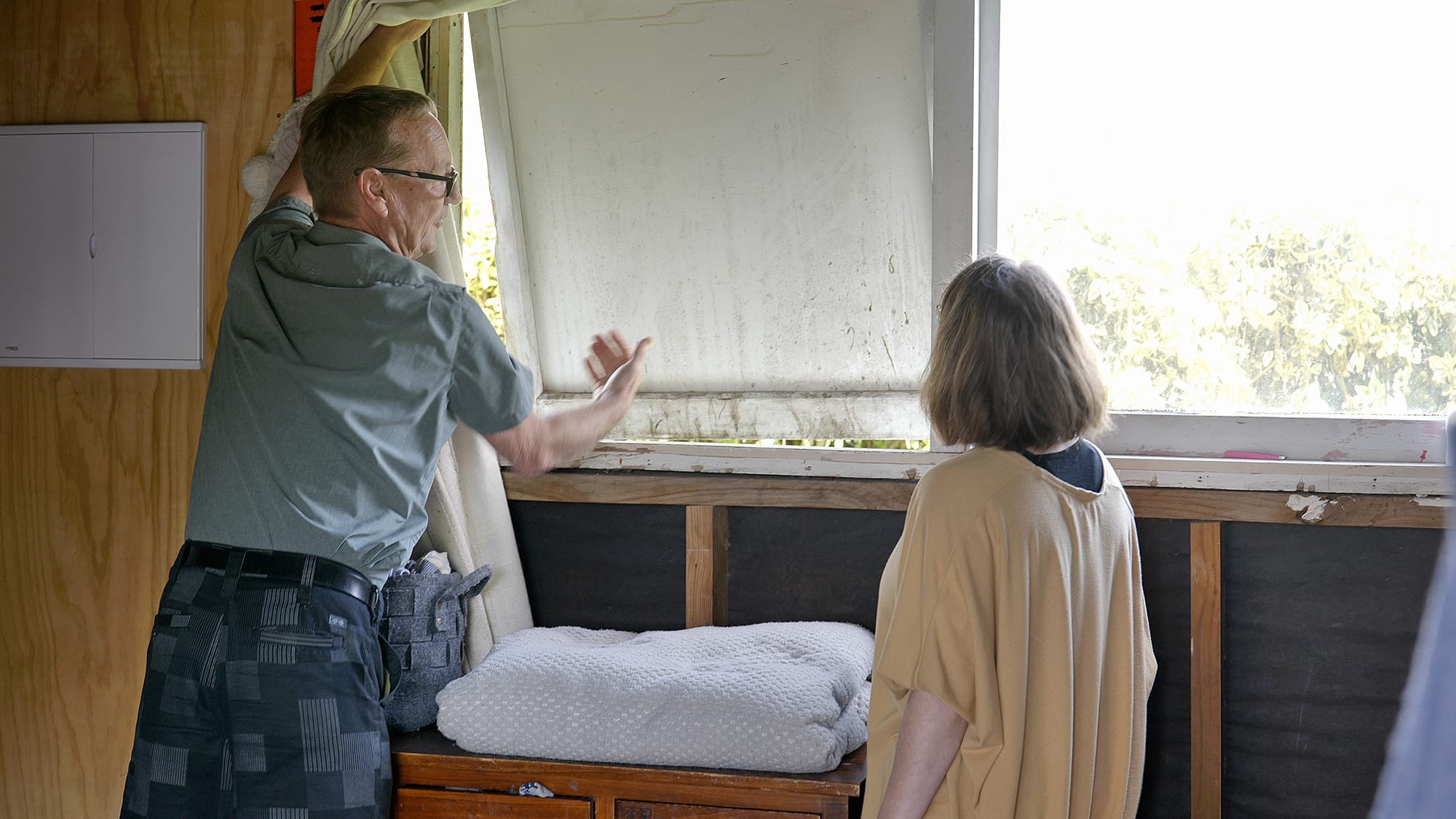
WARMER HOME: A home assessor educates on blast ventilation and maintaining window joinery to prevent moisture ingress.
.
As colder temperatures approach, Bay of Plenty residents are being encouraged to ask a simple but important question: how warm is my home?
A major community initiative led by Sustainability Options is working to make healthy home temperatures part of everyday conversation, following a new $675,000 three-year multi-year funding commitment from BayTrust.
The funding will support the next phase of the 20 Degrees Project, which aims to ensure every home in the Bay of Plenty can maintain a healthy indoor temperature of 20°C on a cold winter’s night. An estimated 27,000 homes across the Bay of Plenty fall short of that standard, contributing to respiratory illness and avoidable hospital admissions each year.
Sustainability Options co-founder Nik Gregg said 20 Degrees would continue to focus on minor repairs and education but also wanted to change hearts and minds.
“It’s about creating a culture where more people understand why 20°C is so important and people start to look at the initiative and think ‘what part can I play in that?’ as opposed to just letting their housing happen to them.”
Medical evidence shows that temperatures below 16 degrees Celsius can trigger serious health issues.
“You’re more likely to suffer from RSV, bronchiolitis, bronchiectasis, and asthma attacks. Most homes I go into in the morning, it’s not unusual to encounter 12 to 13 degrees. And some homes get down to outdoor temperatures, which can be between -2 and 6 degrees.”
The 20 Degrees Project, launched six years ago, has already improved 2500 homes across the region through free home assessments, workshops, education, and minor repairs. Mr Gregg said many housing issues came down to simple misunderstandings about how homes functioned.
“If you leave the windows open all day long it creates a cooling effect on the house and it’s more likely to condensate overnight. We get this cycle of condensation and then mould growing. You actually only need to open your windows for a short time each day.”
Small, practical changes like opening curtains can make a measurable difference. “When you let the sunlight into your home it’s the equivalent of turning a heater on over the course of an hour.”
The new funding from BayTrust will help support more than 800 home visits each year, alongside community workshops and minor repairs to stop draughts, fix rot, install insulation, and supply heating and lined curtains. Importantly, the funding also plays a wider role in attracting additional support.
“BayTrust is our cornerstone and their funding ripples out and brings other interested parties and philanthropic funders on board.
“Over the six years we’ve been running, we’re getting close to $14 million worth of other funding coming into the programme. It’s BayTrust’s support that helps unlock those contributions each year.”
Mr Gregg said the long-term goal was to make a healthy home temperature of 20 degrees as widely understood as insulation.
“If I go back to the early 2000s, I could ask most people ‘what do you know about insulation?’ and people were largely clueless. Now, it’s no longer sitting silently behind the walls or in the ceiling or underneath the floor. Most people know whether their house is insulated or not. That’s where we want the conversation about healthy home temperatures to get to.”
BayTrust Community Investment and Policy Manager Sam Cummins said when whānau get to live in warm and dry homes, it resulted in fewer medicines being dispensed, fewer GP visits and fewer hospital admissions.
“We also know that when we work together, we can make a larger collective impact that we could if we tried to do it alone. This is why we support the 20 Degrees Project.
“The benefits of a warm, dry home can not only be seen in health, but also in employment, educational achievement and overall well-being. We’re delighted that Sustainability Options are the provider, as they not only work on the homes, but they also work with the people in them.”