
The birthday I don’t remember — and the hit that nearly killed me
.
In 2022, Whakatāne’s Campbell Gray came close to losing his life after being hit by a hockey ball. ACC support helped him recover and this year he became a Coast to Coast champion. He shares his concussion story ahead of the winter sports season
I turned 19 without really being there for it.
That might sound strange, but it’s the truth. My birthday exists now only in other people’s memories, stitched together from stories I’ve been told. Mine stops somewhere around lunch.
I was fit, busy, and feeling good. I’d gone out for a round of golf with mates that afternoon, come home for dinner, then headed off to hockey training.
It was a normal day for me. I was a Waikato premier hockey rep – young and hungry, and I thought I was bulletproof.
Then a hockey ball hit me in my head.
We were running attacking drills when a shot on goal went astray. I was behind a couple of defenders, and they managed to pull out of the way. I didn’t see it coming.
The ball struck me flush on the right side of my head, just above my ear, on the temporal bone.
I went down hard.
I never lost consciousness, which still baffles me. The impact fractured my skull, and my jaw. It caused a bleed on my brain that could easily have killed me. If things had unfolded slightly differently – if the signs hadn’t been picked up when they were – I wouldn’t be here today.
At the time, I had no real idea how bad it was. I was dazed, slow, clearly not right.
Luckily for me, my girlfriend at the time, Brianna, had first aid experience and she listened to her instincts.
What was meant to be a birthday celebration quickly turned into an emergency trip to Waikato Hospital.
On the drive there, things deteriorated fast. I became nauseous and started vomiting – they are clear red flags. By the time I arrived, the emergency team moved quickly. A CT scan showed a bleed putting dangerous pressure on my brain. Within hours, I was in surgery.
That’s where my memory goes a bit fuzzy.
My parents got a phone call that no parent ever wants to receive. Mum and Dad dropped everything and drove from Napier to Hamilton, not knowing if they’d see their son alive, or what sort of life might be left for him afterward.
I’ve since been told I was placed into an induced coma for two days to let the swelling settle.
I don’t remember the first week at all. Coming out the other side was confronting.
When I eventually became aware again, I wasn’t the person I’d been before. My balance was gone and I required support just to walk. My speech was slow. Processing anything – questions, instructions, conversations – took a long time. Sometimes my mates would say something to me and I’d still be working out an answer 10 seconds later.
In many ways, I had to start again.
I have to say that ACC were right there with me in my recovery journey. It’s at times like this when you realise we are lucky to have that support in New Zealand.
After two and a half weeks in hospital, I went to ABI Rehabilitation in Auckland. My mum moved into an apartment nearby and stayed for a month to support me. That period changed everything – not just physically, but mentally.
ABI were awesome. Not only did they help me get back to living, they also equipped me with strategies to help me. I was learning about the brain and why I was having these symptoms.
Rehab forces you to slow down in a way most young athletes never have to. You learn patience. You learn humility. You learn that recovery isn’t linear and that willpower alone doesn’t fix a brain injury.
I was frustrated, like most people would be. I naïvely thought I’d bounce back in weeks. Instead, I had to accept reality – this was going to take time.
In this time, I wrote down three goals: to get back to work, to return to university fulltime and to get back into his exercise.
Small wins became everything: walking unaided, holding conversations without lag, getting my confidence back in everyday environments. Returning to university was another challenge altogether.
My memory wasn’t what it had been and anxiety crept in. I learned to write everything down, to step away when things became too much, to rest without guilt.
Sport, which had always been central to my life, was taken away – at least in its old form. I wasn’t allowed to play contact sport for two years, so hockey was off the table. Instead, I found my way back through multi sport events.
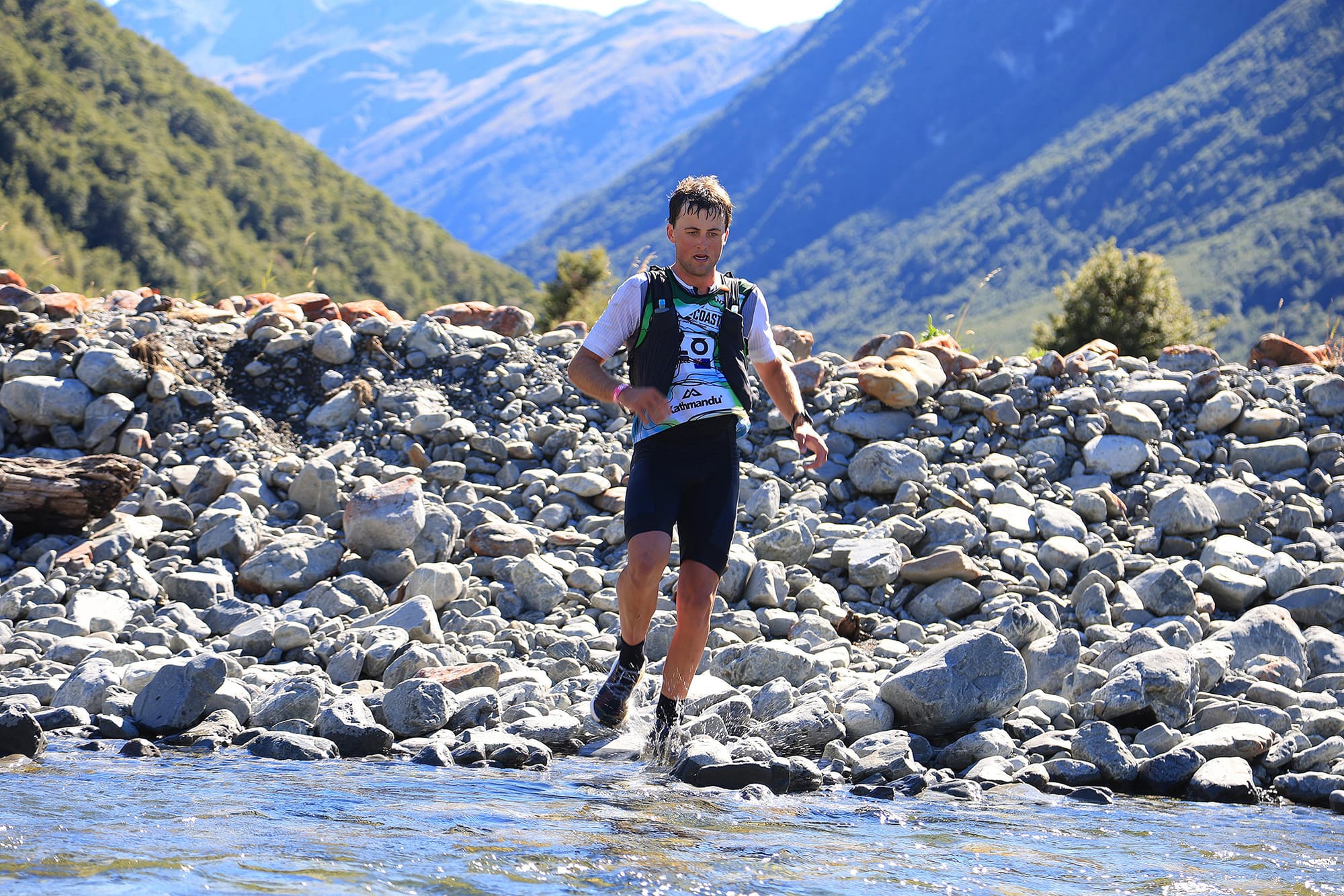
Claiming first place in the men’s 18-39 age group of the Coast to Coast this year was an amazing feeling and one that I will never forget.
Now, when I race or train, it means more than it ever did before. Not because I have something extra to prove – but because I know exactly how quickly it can all disappear.
The strangest part is this: as much as I’d never wish it on anyone, the experience changed me for the better. It was a freak accident. I didn’t blame anyone or myself, or regret that it happened. That mattered, because it allowed me to move forward without regret or bitterness.
My advice to anyone playing a winter sport is to take concussion seriously. It’s important that we promote a culture where people put their welfare first and make sure they are alright.
I live by a simple idea now: the roughest roads lead to the most beautiful places. Life can change in an instant. I know how close I came. And because of that, I say yes more often.
I work harder for the things that matter. I don’t take my health, movement, or time for granted.
I don’t remember my 19th birthday – but I was given the chance to live many more. And that is something I’ll never forget.

ACC Concussion injuries by the main winter sports in 2025
Total 5854 concussion-related injuries
■ Rugby union 3256 claims
■ Football 1258 claims
■ Rugby league 609 claims
■ Basketball 457 claims
■ Netball 274 claims
The Four Rs of Concussion Management
■ Recognise (the signs and symptoms of concussion)
■Remove (the person from play)
■ Recover (to a medical doctor to confirm diagnosis and provide treatment)
■ Return (there should be a minimum of 21 days away from competition)
For more information: https://www.acc.co.nz/assets/Uploads/National-concussion-guidelines-v4.pdf