
Submissions closing soon on Tarawera restoration strategy
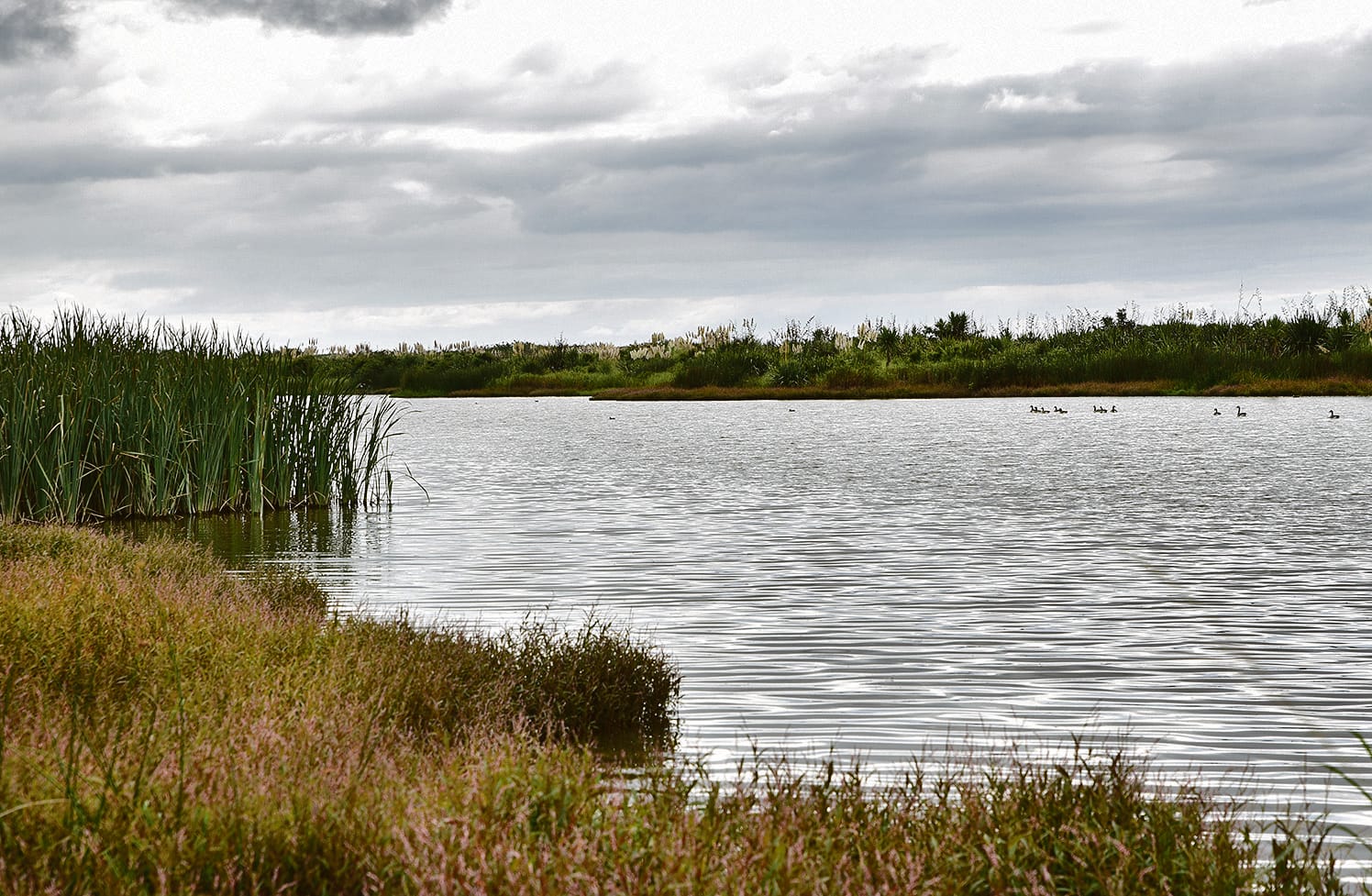
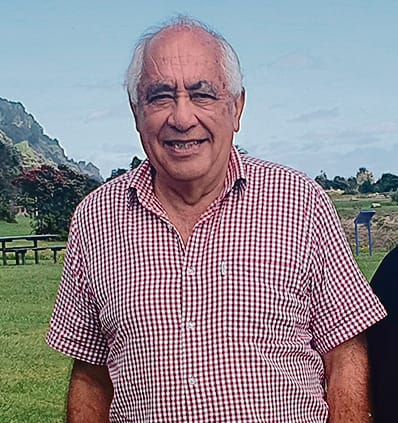
Restoring health: Te Mana o Ngāti Rangitihi Trust chairman Leith Comer, below, says seeing kōtuku (white herons) return to Te Awa o Te Atua at Matatā is the Tarawera Awa Restoration Strategy Group’s key aspiration. File photo
Diane McCarthy
Opportunities to have a say on a strategic plan to restore the life force of Tarawera River and the Matatā lagoon, Te Awa o Te Atua, close on Monday.
Ratepayer organisation Whakatāne Action Group’s chairman John Howard said district residents should read the document and make a submission if it raised concerns about possible impacts on the district’s ratepayers.
Te Rautaki ki Tarawera – The Tarawera Awa Restoration Strategy Document 2026-2036 is a planning document for the Tarawera Awa Restoration Strategy Group.
This group includes membership of six iwi authorities with connections to the Tarawera River catchment area, Whakatāne, Kawerau and Rotorua Lakes district councils, Bay of Plenty Regional Council and the Department of Conservation – Te Papa Atawhai.
The document has nine strategic objectives, including improvements in water quality, contaminant reduction, wetland restoration and flow enhancement, creating safe and protected communities resilient to climate change and promoting community and economic opportunities.
It plans to negotiate agreements with all major land and water users in the river’s catchment area and ensure local authorities recognise and uphold Treaty settlements.
Among 12 desired outcomes are making the waterway swimmable and to have taonga species, such as the kōtuku (white heron), return to the waterway.
The strategy document states that its vision, objectives and desired outcomes will be embedded within council planning processes and are expected to play a vital role in shaping local policy and operational decisions.
It is unclear how the group intends restoration to be funded, however, the document mentions funding pathways via central and local government.
Te Mana o Ngāti Rangitihi Trust chairman Leith Comer, who has been leading engagement on the strategic plan, also urged anyone with concerns about the document to make a submission.
“We would want to give these submissions the care and attention they deserve and make a formal response to them. The more detail people can give about their concerns the better answers we can give.”
In all the time he had been carrying out engagement with people on the strategy, no one had raised concerns with him about the potential of the strategy leading to rates increases.
“I can’t see how restoring the health of the river is going to lead to rate rises.”
An Aspirations Document for the collective iwi with connections to Tarawera River was created in 2023, signaling that among other aspirations, was the desire to restore the water courses of the Tarawera and Rangitāiki rivers and Orini Canal to their original paths that were changed when the Rangitaiki Plains were drained for farming.
Mr Comer said that, as time had gone on, the difficulty of doing that without causing risk to people who live along the river was such that “you are not going to see rechanneling of rivers happening”.
The Aspirations Document is acknowledged in the draft strategy as the foundation framework for understanding the iwi collective vision for the future of the Tarawera Awa ki te Awa o te Atua.
Submissions close at 4pm, Monday, May 25 and can be made by visiting the Tarawera Awa Restoration Strategy Group website tarawera.org.nz.