
Opinion: A 30-year struggle for justice and recognition
.
■ A chance encounter with Kereama Akuhata of Sawmill Workers Against Poisons (Swap), prompted me to ask about progress in their 30-year-campaign for recognition and adequate health care for sawmill workers exposed to dioxin, a deadly toxin, writes Kim Webby.

Akuhata visits five affected people in Ōpōtiki and up the coast, while Swap advocates and cares for 230 former sawmill workers in the Eastern Bay, Rotorua, Tokoroa and Putaruru who suffer a range of debilitating health conditions.
Swap numbers were once much higher, but Akuhata says that between eight and 12 members die annually; that’s up to one a month.
Between the 1950s and 1988, mill workers on the green chain at Whakatāne’s then government-owned New Zealand Forest Products sawmill used a chemical called pentachlorophenol (PCP), an anti-sapstain fungicide that exposed the workers to dioxin.
It was used like a dip bath for timber, with green chain workers often finishing the day drenched in PCP.
Men who mixed the chemical and cleaned out the machinery suffered the most, with higher cancer and non-malignant respiratory disease, according to a 2009 Massey University study. They also found high levels of dioxin in blood serum tests, beyond safe limits.
The late Joe Harawira formed Swap to fight for recognition of the workers’ health problems, with many no longer able to work, including Joe himself. He died in 2017 and his long-term 2IC, Akuhata, took over the battle.
Dioxin also affects Vietnam Veterans exposed to Agent Orange. NZ Veterans Affairs lists a number of serious conditions accepted by the Government as service related, for which help is available.
Rightly so, the former servicemen affected by Agent Orange are eligible for an ex-gratia payment of $40,000.
Widows are also eligible for the payment if their husband died of one of the specified conditions.
Children of affected veterans are also eligible if they suffered one of five conditions, recognised as resulting from their father’s Agent Orange exposure.
Since 2010, sawmill workers affected by dioxin poisoning have been eligible for one annual free doctor’s visit, through the Sawmill Workers Service.
The first visit is a long consultation, which covers the worker’s exposure and health conditions.
Subsequent annual visits are shorter.
The service is designed for early detection of diseases, promoting healthy lifestyles, reducing modifiable risks, mental health support and genetic education.
Akuhata notes that many of the workers who were on the green chain now receive a green prescription; advice on exercise, stopping smoking and healthy eating.
While these interventions are important for all people, in my view this is inadequate to combat a carcinogenic compound that has already done its damage.
It is too late for prevention and there is no cure. Exercise, smoking cessation and a rainbow of vegetables will help to keep people healthy.
But what’s lacking for the sawmill workers is recognition that their conditions were caused by dioxin from PCP exposure at work; that their exposure should be compensated and that their health care and monitoring should be extensive. That recognition should also come with a strong dose of compassion instead of the constant battle against bureaucracy that Swap faces.
Chloracne, a skin condition is the only condition ACC has accepted for PCP poisoning.
Sawmill workers’ internal conditions, such as diabetes, cancer, and the inter-generational consequences including miscarriages and birth defects, are considered case-by-case.
The onus of proof is on the sawmill worker, not ACC, because PCP is not on their Schedule 2, a list of recognised chemical exposures that cause specific conditions.
I asked Akuhata what progress had been made since I did a short documentary on this topic more than 20 years ago.
He said there had been ups and downs, but they’re largely jogging on the spot.
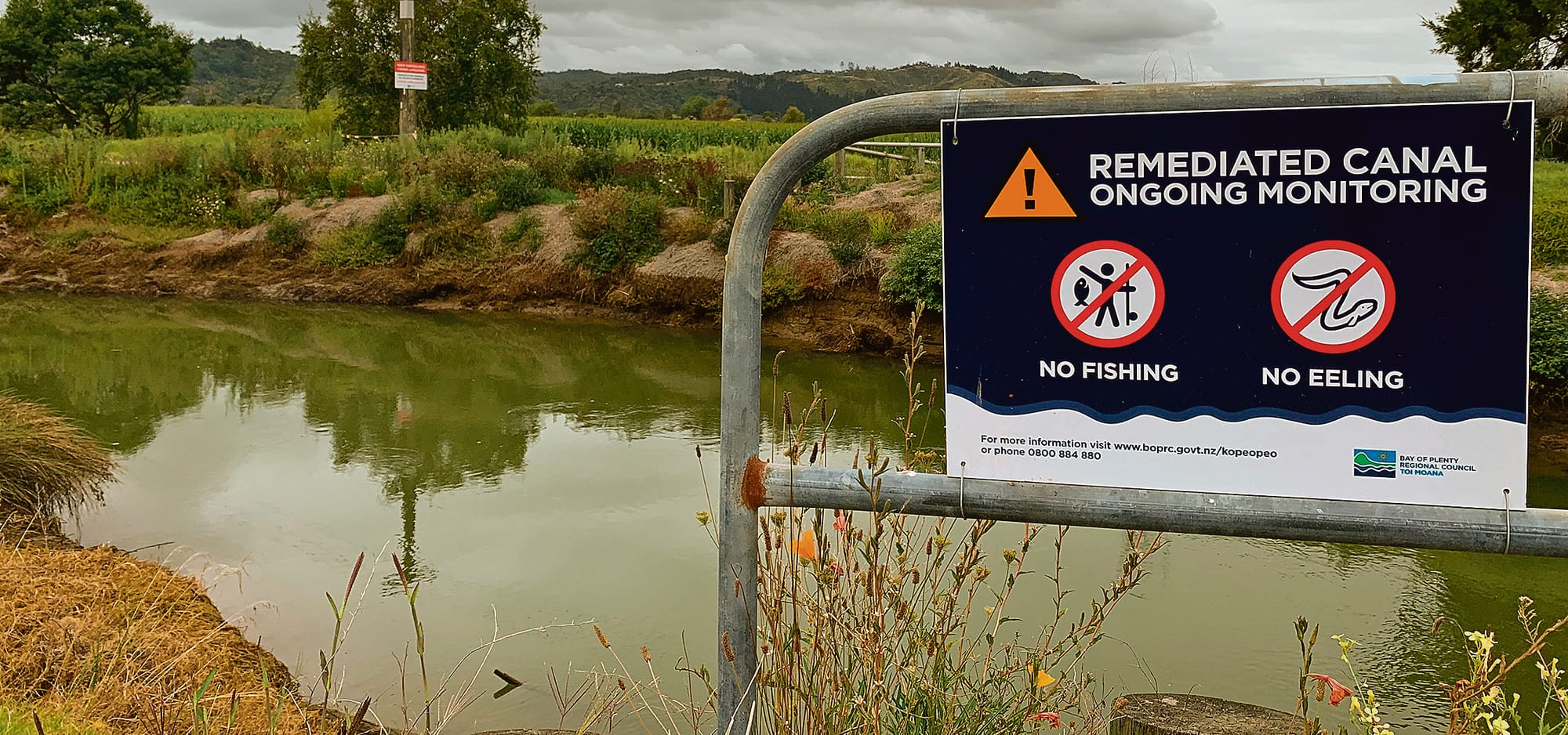
The one bright spot in the past 20 years was the rehabilitation of Kopeopeo Stream, which was near the sawmill stormwater outfall.
PCP settles in fatty tissue and there were grave concerns about people eating eels from the waterway.
The bio-remediation was government funded and award winning, and something to be celebrated.
But it is only one of thousands of similar sites around New Zealand.
And what of the people?
How much longer will it take for the Government to take responsibility for their plight?
After all, the Government banned PCP in 1991.
By then, industry had already withdrawn its use anyway.
Thirty-five years on and Swap is still waiting for adequate recognition and meaningful assistance for the sawmill workers, spread right around Aotearoa.
A Human Rights Commission report on the sawmill workers plight is due out soon.