Workshop to understand the art of ceramics
.
Ilmars Gravis
Ask anyone for how to define clay and you are likely to get a different answer depending on who you ask.
Gardeners will talk about how clay effects soil, with those unfortunate enough to be living on clay soils talking about its poor drainage, lack of organic matter, and difficulty working.
A geoengineer will highlight the structural and hydrological qualities of clay and the ways in which it can contribute to land instability, something we are all becoming increasingly aware of in light of recent unfortunate events such as those seen at Mauo earlier this year.
And, of course, ask a ceramicist and they will talk about the plastic qualities of clay allowing it to be shaped into myriad functional and aesthetic forms, and the way its plasticity can be fixed by the process of firing.
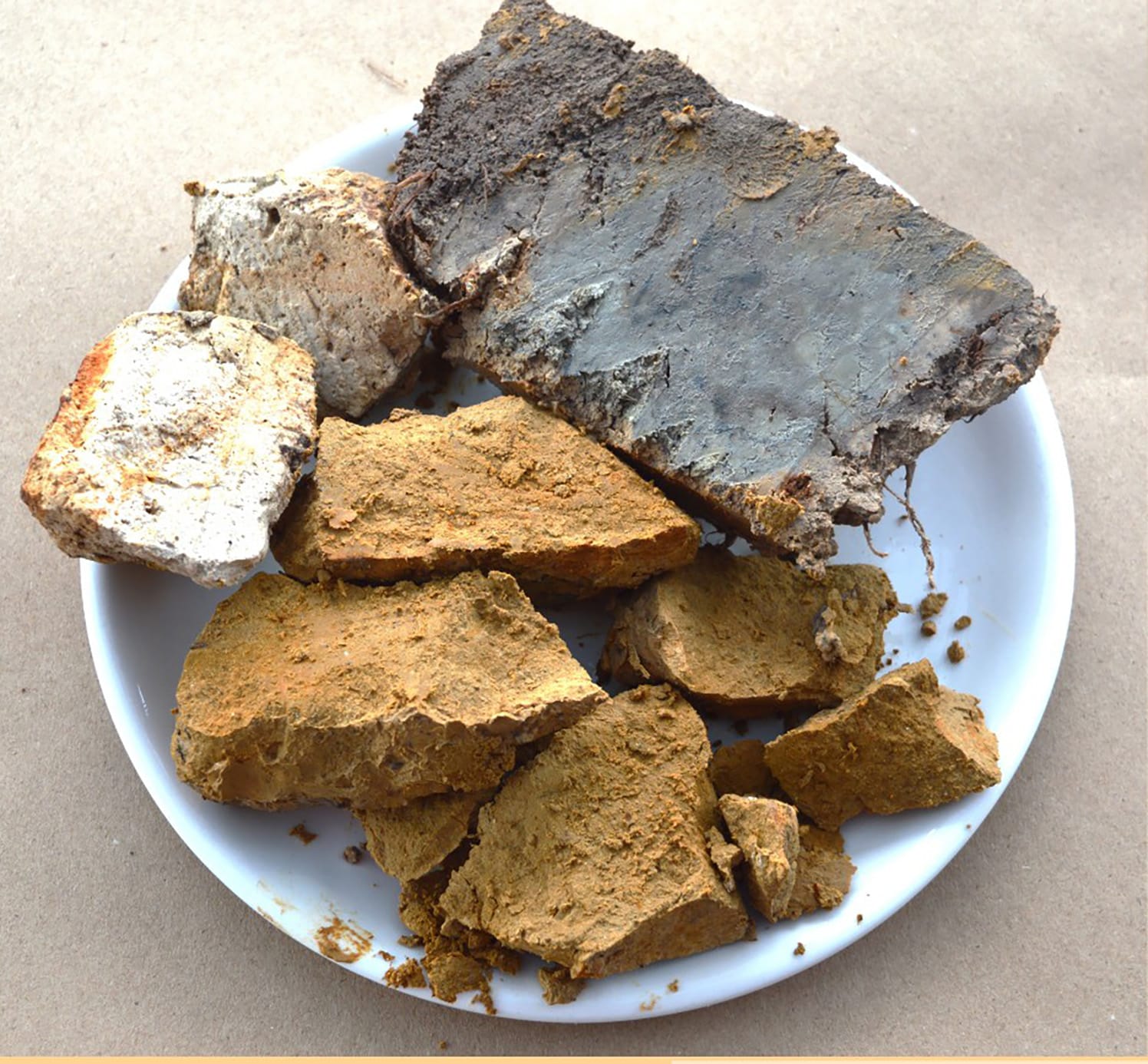
All these factors are shaped by the unique mineralogical and structural qualities of clay, which we can see at a microscopic scale and a landscape scale.
If you are interested in delving deeper into this subject in a local and regional context, Ilmars Gravis (aotearoarocks.blogspot.com and Aotearoarocks fb) is hosting a wananga in Ōpōtiki on Saturday, June 13, from 10am to 12pm.
Science communicator and educator, Ilmars has a background in earth sciences and environmental sciences, and is especially passionate about geology, geological processes, geoheritage, and geotourism.
In researching and putting together this wananga, Gravis has become fascinated by clays and clay-like materials, especially as they play such a central role in our lives at so many levels.
“I’m particularly interested in the art and process of ceramics as something that brings all of us into contact with earth materials every day of our lives.
“I’ve been motivated to put this workshop together with the support of local ceramicists Yvette van Raders and Suzie Mitchell.
“While my wananga is primarily targeted at artists, sculptors, and potters, it will be of interest to anyone who would like to have a deeper understanding and engagement with the processes and materials that shape our whenua, and an essential material in our everyday lives.”
The title of the workshop is taken from the book Wild Clay – Creating ceramics and glazes from natural and found resources by Matt Levy, Takuro Shibata, and Hitomi Shibata (available from the Ōpōtiki Library).
“The book has a mainly American and Japanese perspective, so I am really looking forward to bringing this kaupapa to our local rohe and ceramicists.”
The two-hour wananga will include a presentation on the processes that form clay in our environment and its qualities, followed by an informal discussion over a cuppa, and a second presentation focusing on clays and minerals in our environment, where those minerals can be found and how those found materials can add another layer to our ceramics practices.
To register for the workshop please email [email protected] for details on payment ($35 inc gst), and venue.
The workshop will run on Saturday, June 13, from 10am-12pm in Ōpōtiki.