
Opinion: Spotlight on elder abuse
.
Kylie Carpenter
Virtual Eastern Bay Villages
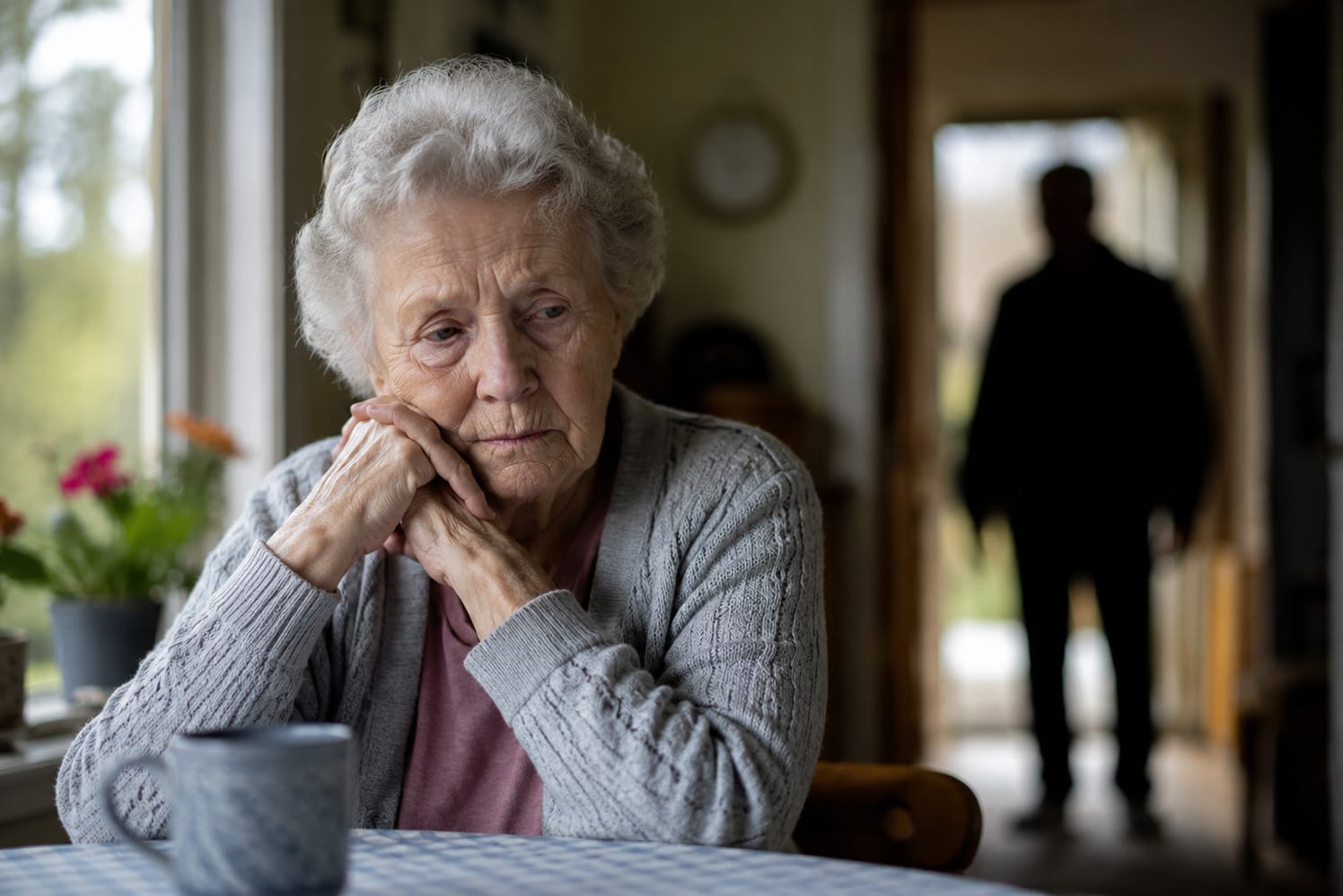
■ Elder abuse is often hidden, particularly when older people are isolated, living alone, or reluctant to speak out. Advocates say it can take many forms, including financial, emotional and physical abuse, as well as neglect, often occurring within relationships where there is an expectation of trust.
A Virtual Eastern Bay Villages member, who previously worked with New Zealand Police and later as a home visitor volunteer in a Bay of Plenty city, has shared the story of a 97-year-old woman, referred to as Joan to protect her privacy, to highlight the issue.
Joan was legally blind, had significant hearing loss, and lived alone. Despite these challenges, she remained determinedly independent. She walked about 3 kilometres to a supermarket to do her shopping and tended a small home garden largely by touch.
Like many older people, she was trusting of others. She did not use a credit card, relying instead on cash and a cheque book, which created difficulties because she was unable to complete cheques herself.
On one occasion, during a home visit, the volunteer found Joan with a travelling salesman and apparently preparing to hand over a signed blank cheque.
The volunteer intervened and the man left. Later, Joan reported that the same man returned and, when leaving, appeared to feel around the top of the outside door, possibly looking for a hidden key. In response, arrangements were made for St John to install a secure lock box for her keys.
As the volunteer came to know Joan better, further concerns emerged. Joan said that some years earlier she had lent a relative a substantial sum of money to help with a house deposit. When she later asked about repayment, she was told the money had already been returned and that she had forgotten. Joan remained adamant that the loan had never been repaid.
Joan also described troubling experiences with a support worker who visited daily to clean and prepare meals.
On one occasion, she said she realised the floor had not in fact been mopped after noticing the mop had no head on it.
On another, Joan gave the worker a computer after being told it was needed for the worker’s daughter’s schoolwork.
When Joan later asked for the computer back, so family photographs belonging to her son could be downloaded, she was told it had already been sold.
According to the volunteer, Joan also felt hurt by the way she was sometimes treated by family members.
She said that when she visited relatives, she was often seated apart from everyone else and left feeling ignored.
On another occasion, the volunteer’s wife visited Joan and found her distressed and locked in the bathroom.
Joan later said she had become frightened after an argument with one of her sons. The volunteer said incidents of this kind caused Joan considerable stress.
The volunteer believes these were only some of the situations Joan chose to talk about and that there may have been others she never disclosed.
Joan was insistent that no formal complaint be made, and her wishes were respected. Instead, the volunteer and his wife increased their visits, so that Joan knew someone cared about her wellbeing.
Advocates say older people are often hesitant to report abuse because of fear, guilt, shame, privacy concerns, or fear of consequences.
This can be especially true when the person involved is a family or whānau member, which can make it even harder to speak out and seek help.
Help is available. The free 24-hour Elder Abuse Helpline can be reached on 0800 32 668 65. If someone is in immediate danger, call police on 111.
Virtual Eastern Bay Villages will be holding a public meeting on elder abuse on Wednesday, June 10, at 10.30am at the Knox Church, 83 Domain Road, Whakatāne. Members of the community are warmly invited to attend and learn more about recognising elder abuse and how to support someone who may be experiencing it.
Virtual Eastern Bay Villages is actively seeking people who are interested in becoming volunteers/members and visiting someone in our community.
For more information, please get in touch with Kylie on 07 3080 246 or email [email protected].