
Awakeri Hot Springs closes, in liquidation with $1m IRD debt
.
Zoe Blake
Rotorua Daily Post
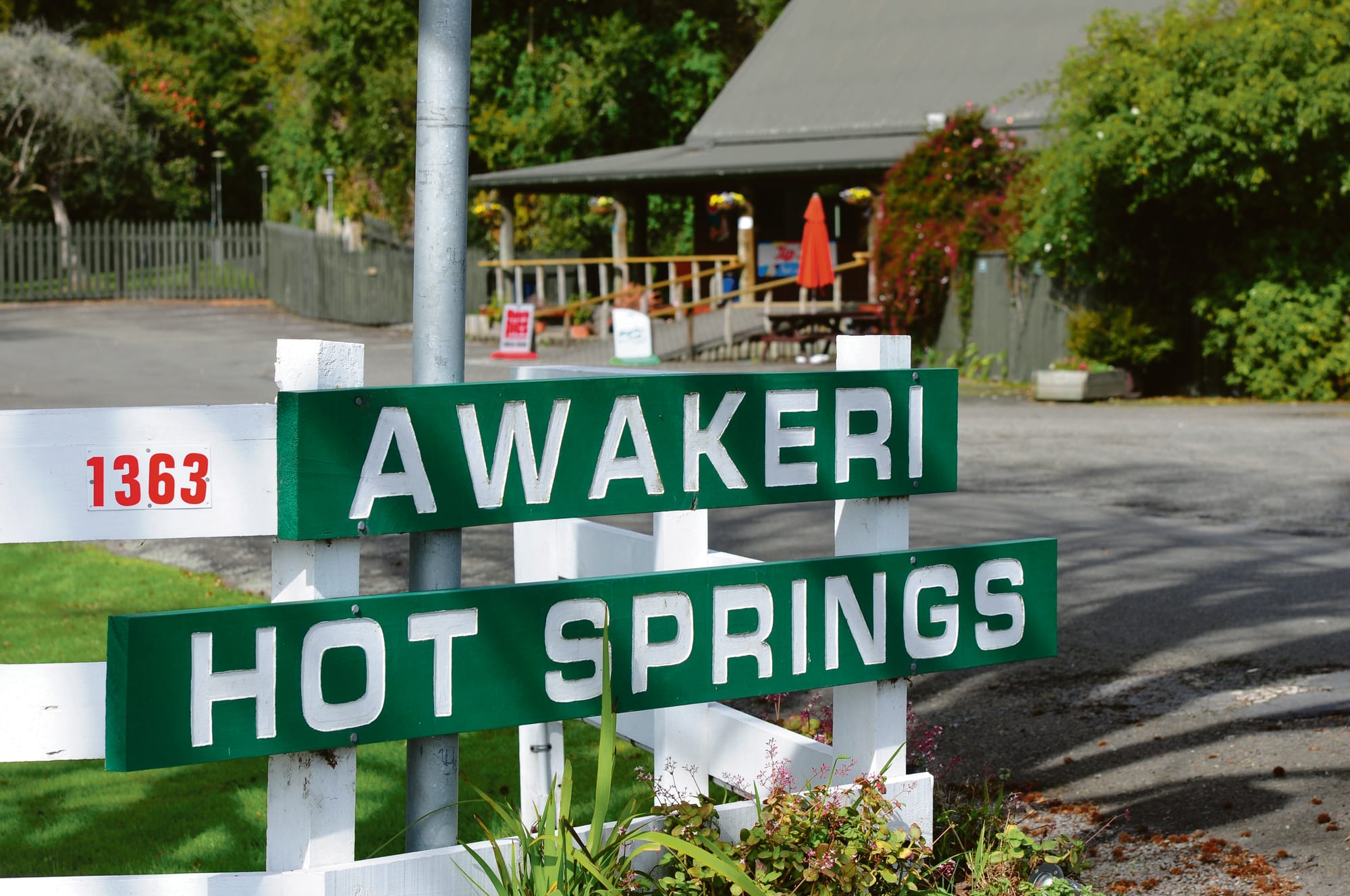
Awakeri Hot Springs is now closed, with the business in liquidation owing more than $1 million to Inland Revenue.
Its operator for the past 22 years said liquidation was the only way out after he put “heart and soul” into the business.
The site has operated for decades as a hot pools and motor camp, and there are hopes that public access can eventually be restored.
The park closed on Monday last week, and Companies Office records show Awakeri Hot Springs (2002) Ltd went into liquidation in February.
Adam Botterill and Damien Grant, of Waterstone Insolvency, were appointed liquidators.
Their first report said the business was affected by Covid-19, poor trading conditions and a lack of guest stays, which left the company unable to meet its debts.
The only known debt listed is more than $1.06m to Inland Revenue (IRD).
The Bank of New Zealand and the site’s landowner, Pukaahu Domain Whānau Trust, are among a handful of other known creditors.
Liquidators expected further claims to emerge. It was unclear whether creditors would be repaid, the report said.

Waterstone Insolvency Wellington manager Bede Henderson, pictured, told NZME that it completed a thorough appraisal and kept the business operating for four months while attempting to sell it, before it closed.
Henderson said a public going-concern sale was not viable given the “unique and complex” nature of the liquidation.
“It sat at the intersection of Te Ture Whenua Māori Act and the insolvency regime.”
He said a confidential agreement was reached with the landowner and the site had been transitioned to them.
“We have achieved a strong recovery and have delivered unrestricted access to the whenua for tangata whenua. It’s a result that we’re very pleased with.”
Henderson said Covid 19 had a sustained impact on trading conditions.
These included uneven post-pandemic tourism recovery in some regions, inflationary pressures, labour constraints, and rising operating and compliance costs.
“The decision to enter liquidation was made as the appropriate mechanism to achieve an orderly and value-preserving outcome for stakeholders.”
Pukaahu Whānau Domain Trust trustee Enid Ratahi-Pryor said the landowner’s immediate focus was on undertaking cultural processes to reconnect whānau with the whenua.
The business was established on a perpetual lease after Pukaahu Springs were taken under the Public Works Act.
She said the trust did not consider buying the business and was unaware whether any other Ngāti Awa iwi entities had considered it.
The site facilities faced significant maintenance, compliance and consent challenges.
She said there was an opportunity to explore new options for the site, with all business and economic possibilities still open.
The trust understood the community’s interest, and she was sure public access to the springs would feature in future plans.
She said the liquidation unfolded quickly and ended positively.
Kevin Haig, who is in his early 80s and has been an owner and operator of the business since 2002, said liquidation was the only way out and was beyond his control.
“I can’t do any more. I’ve put my heart and soul in there.”
He said the process caused significant stress, particularly in the early stages when the business operated without Eftpos for several weeks.
“It was a bit of a circus.”
Fewer holidaymakers and younger generations came through the region these days, he said.
He was hopeful that creditors would eventually recover what they were owed, but said he had little insight into the liquidation process.
“I know what it’s worth, and I know what in the past has been offered, and it would cover debts, but that’s been in the past now.”
There was also a sense of relief in stepping away and into retirement for him and his wife, Fiona.
“We weren’t going anywhere long term … so it’s time I got out. I’m lucky I’m still active, I’ve got a bit of life in me, and I want to go and enjoy things.”
He said he had been touched by the community’s response, with people stopping him in the street to share memories from the springs.
The business’ Facebook post announcing the closure and the Haigs’ retirement attracted hundreds of comments, many sharing memories of visiting the hot pools over the decades.
Whakatāne District Council Rangitāiki general ward councillor Wilson James said the pools had long been popular with locals and visitors.
He described the closure as “very sad” for the Eastern Bay, but remained optimistic the site would be rejuvenated.
“It was an icon, and it will be an icon in the future.”
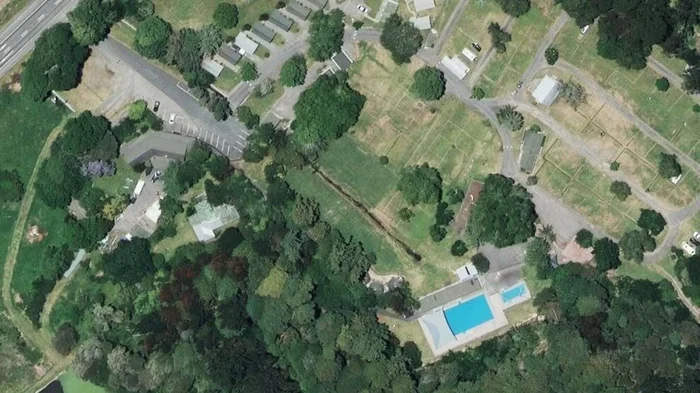
■ In a message to the Whakatāne community published on Facebook,
Pukaahu Whānau Domain Trust trustee Enid Ratahi-Pryor relayed the history of the Pukaahu Springs site and the challenges ahead
“In the first instance we write to acknowledge Kevin [Haig] and his family as they begin a new chapter in their lives and wish them well for their future.
The Pukaahu Springs and surrounding area was taken from the descendants of the original owners Wiremu Te Whatapapa and Rooha Petera by the Crown under the Public Works Act in the 1950s.
A successful Waitangi Tribunal claim in 2004 saw the land returned to the whanau and vested in the Pukaahu Whanau Trust. However, a perpetual lease (never ending) over that land had been put in place by the Whakatāne County Council in the 1960s, alienating the land from the owners and enabling private businesses to operate on the land in perpetuity.
With the return of the lease to the whānau through the liquidation process, the trust’s first priority is to implement a whakawatea process so whānau can begin to reconnect with the whenua.
While the business itself was never part of whānau history, the return of the lease represents a reassertion of presence on the land, a rekindling of connection to whakapapa, and a foundation from which whānau can come together to shape the future of this place. This is a historic moment for us; a time of celebration, healing, and renewed connection.
The trust and whānau are very aware of how much the hot pools mean to the communities of Awakeri and the wider Whakatāne district.
The pools and the broader site do require significant upgrading, and the trust is committed to developing a sustainable plan for Pukaahu moving forward.
There are real challenges ahead including a repair and maintenance programme that will require significant investment, and resource consent and compliance matters that need prompt attention.
Given how quickly events have unfolded, the trust has not yet had the opportunity to develop a full business case or strategy.
No options have been ruled out. All possibilities, economic and otherwise, will be explored.”