Community plants future for newly named Waikareao Wetland
Rufus Dempsey
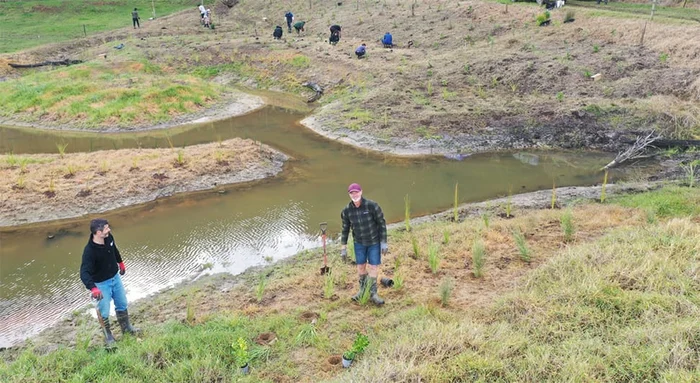
A dedicated group of volunteers rolled up their sleeves on Friday, June 5, to help restore a special corner of the Waiotahe catchment, planting more than 750 native plants during a successful community planting day at a wetland site on Waiotahe Valley Back Road.
Hosted by the Waiotahe Watercare Group, the event attracted 14 volunteers, including catchment group members, iwi representatives, local community members and staff from Bay of Plenty Regional Council.
With favourable weather conditions throughout the day, participants worked together to establish a diverse range of native species including harakeke (flax), carex, mānuka, cabbage trees and tī kōuka.
A significant highlight of the day was the gifting of the name Waikareao to the wetland by local kaumātua Wiki Mooney, reconnecting the site with its historical and cultural identity.
“This was a really special day for everyone involved. Not only were we able to get hundreds of native plants into the ground, but having the wetland gifted the name Waikareao by Wiki Mooney helped reconnect the site with its cultural history and gives the restoration project an even deeper meaning,” organiser Mel Brown said.
The plants, generously supplied by the regional council, form part of a wider biodiversity restoration plan for the Waiotahe catchment.
The long-term project aims to enhance native habitats, improve ecological connectivity and support the health of local waterways for future generations.
As the vegetation matures, it will help stabilise wetland margins, improve water quality and provide valuable habitat for a range of native species.
The restoration is also expected to strengthen ecological links throughout the catchment, creating a healthier environment for both wildlife and people.
“The wetland restoration is about much more than planting trees.
“It’s about improving water quality, creating habitat for native wildlife and leaving something positive for future generations.
“It’s fantastic to see so many people willing to give their time to support that vision,” Brown said.
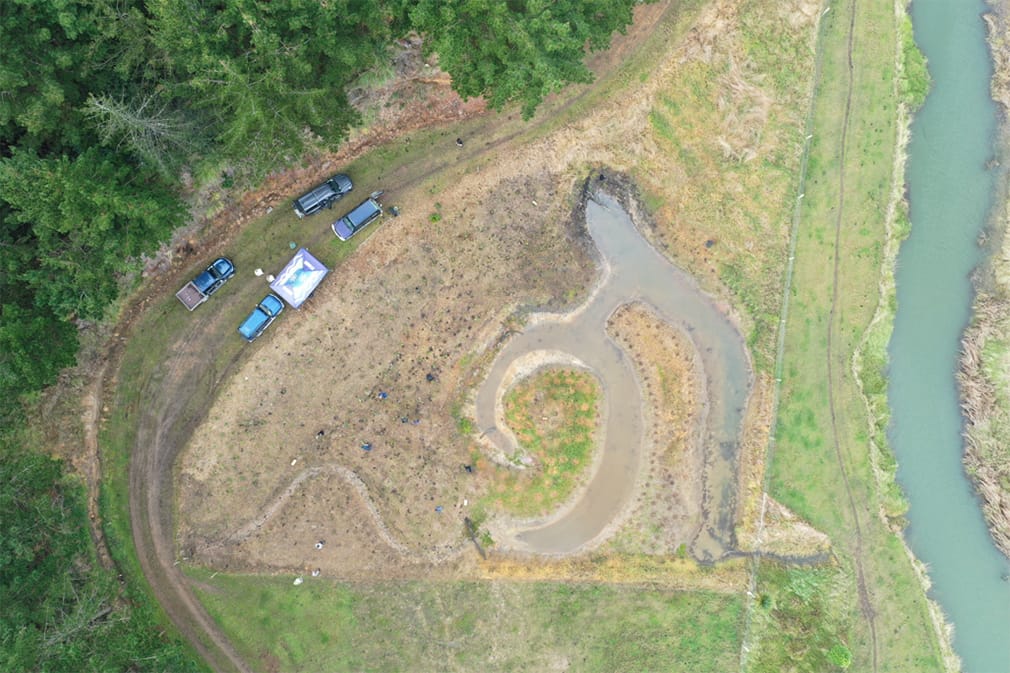
A unique feature of the site is the wetland’s koru-shaped design, created by Nathan Burkepile.
The design provides a striking visual element while supporting the site’s environmental objectives.
While the newly planted natives may appear modest now, organisers are already looking ahead to what the site could become over the coming years.
In five years’ time, they expect the area to have developed into thriving wetland margins capable of supporting a range of native wildlife.
One species the group hopes will benefit is the matuku-hūrepo, or Australasian bittern, one of New Zealand’s most threatened wetland birds.
Restoring healthy wetland habitat is considered vital to the long-term survival of species such as the bittern and many other native plants and animals.
The planting day was a collaboration, with landowners, iwi, community members and environmental agencies working together toward a shared goal.
The Waiotahe Watercare Group thanked everyone who contributed their time and energy to the project, describing the day as a successful step forward in the ongoing restoration of Waikareao Wetland and the wider Waiotahe catchment.