
The hidden impact of caesarean scars: How to continue healing after delivery
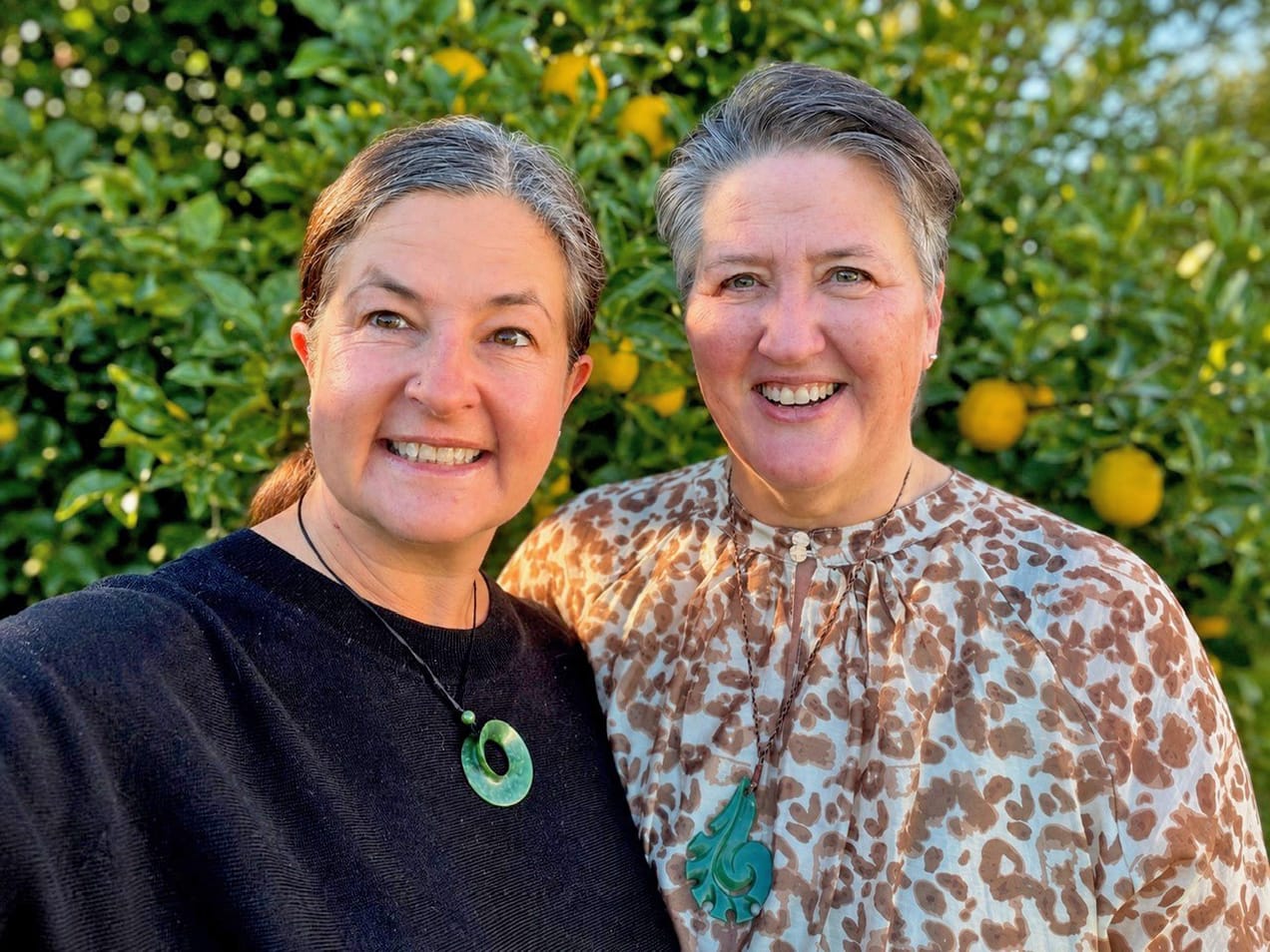
WORKSHOPS: Paula Sharp and Sam Lyden are running Caesarean Scar and Recovery Workshops in Whakatāne in August and November.
.
For many women, a caesarean birth is remembered as the day they welcomed their baby into the world.
But long after the excitement of those first cuddles has faded, some women continue to experience unexpected symptoms they never realised could be linked to their scar.
According to scar and trauma recovery specialist Sam Lyden, caesarean scars are one of the most overlooked aspects of women’s health.
“Many women are told their scar has healed once the skin has closed,” she said.
“But healing is much more than what we can see on the surface.”
Over the past decade, Lyden has specialised in scar and fascial therapy, helping people understand the lasting effects that scar tissue can have on movement, comfort, confidence, and overall wellbeing.
In this time, she has seen a rise in caesarean scars.
A caesarean scar passes through multiple layers of tissue, including skin, fat, fascia, and muscle.
As the body repairs itself, these layers can sometimes become restricted or “tethered”, creating tension throughout the body.
The result can be symptoms that seem completely unrelated to the scar itself.
Women may experience pulling sensations across the pelvis, lower back pain, hip discomfort, reduced mobility, abdominal “shelving” above the scar, numbness, sensitivity, or a feeling that their body simply doesn’t move the way it used to.
“One of the most common things I see is women feeling as though they’re wearing an invisible girdle,” she said.
“Everything feels tight, restricted, and disconnected.”
Some scars become thickened or raised. Others pull inward, creating a puckered appearance.
For some women, the area remains sensitive years after birth. For others, the scar becomes numb, creating a sense of disconnection from her lower abdomen.
The emotional impact can be just as significant.
A caesarean birth may have been planned, unplanned, or even traumatic.
Yet, many women feel they have little opportunity to talk about their experience once their baby arrives.
“Sometimes women carry the physical and emotional weight of their birth story for years,” said Lyden.
“The scar can become a daily reminder of what happened.”
The encouraging news is that scars can often be improved long after surgery.
Through education and simple self-care techniques, women can learn ways to support tissue mobility, improve comfort, and reconnect with their bodies.
Scar support can involve a range of gentle, hands-on techniques designed to encourage comfort, mobility, and awareness of the affected area.
Other strategies may include movement, breathing techniques, silicone products, and education around long-term scar care.
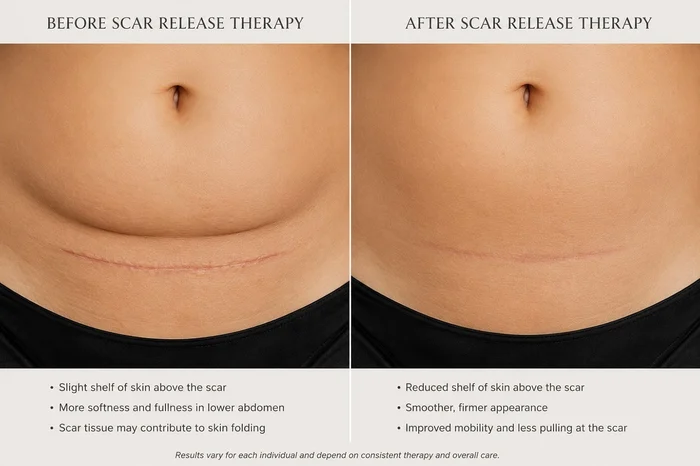
The approach used will depend on your needs and stage of healing.
The goal is not perfection.
“The goal is freedom,” she said.
“Freedom of movement, freedom from discomfort, and freedom from feeling that your scar controls part of your life.”
This August and November, Lyden will lead a series of Caesarean Scar and Recovery Workshops, assisted by oncology scar release and nutritional therapist Paula Sharp.
The workshops are designed to provide practical education, self-care techniques, emotional support, and an opportunity for women to better understand how their scars may be affecting their health.
Participants will learn how scars heal, common complications, self-release techniques, products that may support healing, and strategies to improve comfort and mobility.
Most importantly, they will discover that healing doesn’t stop six weeks after birth.
“Our message is simple,” said Lyden.
“You deserve to feel comfortable in your body.
“You deserve to understand what’s happening, and you deserve to know that help is available.”