
Opinion: The language of local government reorganisation
.
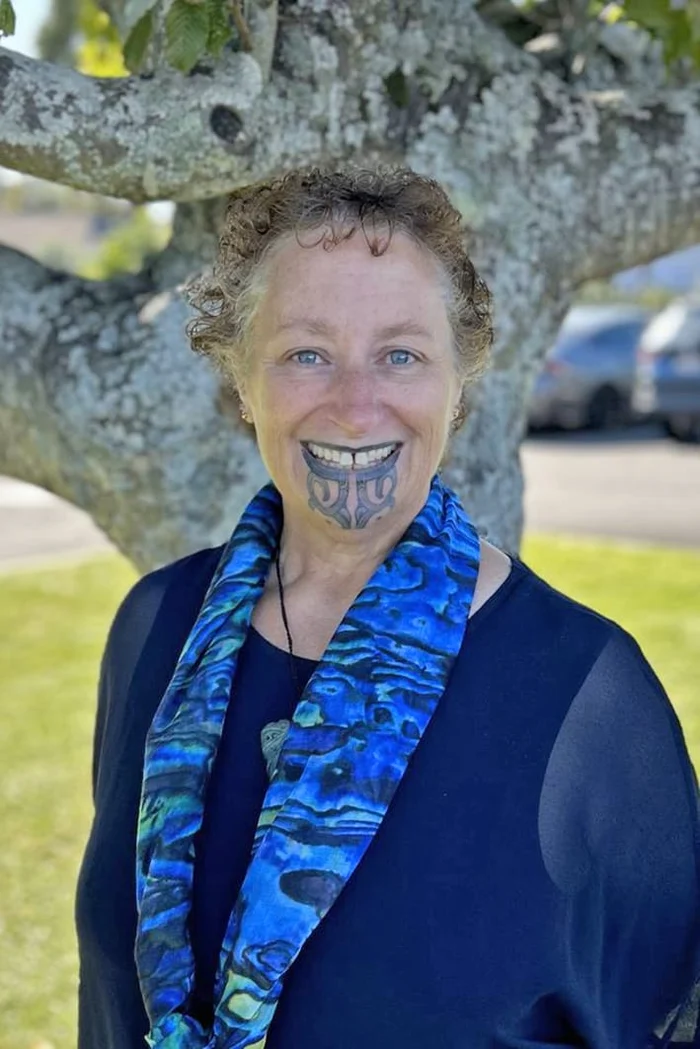
■ Over the coming weeks, in communities all over Aotearoa, we will be handed a council consultation document and asked what we think about the future of local government in our area, writes Bay of Plenty Kōhi Māori ward councillor Dr Mawera Karetai.
The difficulty is that the real questions are buried in technical language, and it is hard to have a view on something you have not been able to translate.
So, this is a plain guide to what you are actually being asked to decide, and what the words mean.
Let’s start with the context. Councils have until August 9 to lodge a proposal with the Government to reorganise themselves into larger councils, under the banner of “Simplifying Local Government”.
Before they do that, they are asking their communities for a view. So, when a consultation document lands in your letterbox or inbox, it is not a pointless survey, or a waste of your time.
It is the early shape of a decision that will be locked in for a generation. There are really four questions inside it.
■ Question one: One council, or two?
Today, most of us are served by two separate councils. A regional council looks after the big environmental and regional jobs: fresh water and land, harbours, public transport planning, flood protection and civil defence.
A territorial authority, which is the formal name for a city or district council, looks after the local services you use most days: roads, water and wastewater, parks, libraries, rubbish and building consents.
This is called the two-tier system. I broke this down into detail here https://www.easternbayapp.co.nz/news/articles/6a2a39623325f10001e736f5
The first thing you are being asked is whether to keep those two councils, or fold them into a single body that does all the work. That single body is called a unitary authority. The Government wants more of them, and most proposals submitted to the Head Start process will be some version of this merge.
■ Question two: Who joins, and where do the lines fall?
If the answer to the first question is “merge”, the next decision is the footprint. Who is in, and who is out.
A proposal does not have to cover a tidy, familiar map. It can take in a whole region, or only part of one, and it can reach across existing boundaries to include neighbouring councils from a different region where that makes sense.
The technical word for all of this is reorganisation, and the more everyday word is amalgamation or merger.
When you are reading a proposal, the question underneath the jargon is simply: which communities are being asked to share one council, and do those communities actually belong together.
■ Question three: How will we be represented?
This is the question that decides how much local voice survives a merger, and it is the one most worth your attention.
A larger council means each elected member represents far more people across a much wider area.
So, a proposal has to spell out how representation will work: how many councillors there will be, how the area will be divided into wards and constituencies, and whether smaller communities keep a formal voice through community boards or local boards, which are bodies that look after a defined local area within a bigger council.
It also has to address dedicated Māori representation.
Māori wards and Māori constituencies are seats elected by people on the Māori electoral roll, and at present the regional ones exist because regional councils exist.
If a region’s councils are merged, those seats do not automatically carry across into the new body.
At the last election our community voted in favour of keeping Māori wards. How do we protect this democratic decision in an undemocratic process?
■ Question four: Who runs it in the meantime?
Reorganisation does not happen overnight, so a proposal also has to say who governs during the changeover.
The options being discussed include a board made up of the area’s mayors and commissioners appointed by the Crown, or a mix of the two.
This is called transitional or interim governance and it matters because that interim significant body makes real decisions before the new council is properly elected.
The most recent significant example of commissioners in local government was when Tauranga City Council was run by commissioners for three years, replacing the mayor and councillors.
Sitting above those four questions is one larger decision about process, and it is the one driving the speed of all this.
If you feel like this is all happening to us and not with us, that is because it is.
The Government has set up two routes. The Head Start pathway is the voluntary, fast one: councils that put forward their own proposal by August 9 get to shape what the new arrangement looks like.
The backstop is the fallback: for any area that does not come forward, the Government has said it will design a structure and apply it after the 2028 elections.
The story from the Government is this: “Through Head Start, your community helps hold the pen. Through the backstop, someone else does”.
That may sound like our councils have some power in the reorganisation process – but proposals don’t mean acceptance.
Just because a community makes a plan, does not mean the Government will accept it.
None of these decisions is small, and none of them is easy to undo. The most useful thing any of us can do before the consultation closes is to make sure we understand the words, so that when we are asked what kind of council we want, we are answering the question that is really being put.