
Three days to apply for indigenous youth leadership exchange
.
Applications close on Friday for one of the Southern Hemisphere's leading indigenous youth leadership initiatives, with 10 Māori rangatahi set to embark on a fully sponsored cultural exchange across Aotearoa New Zealand and central Australia next month.
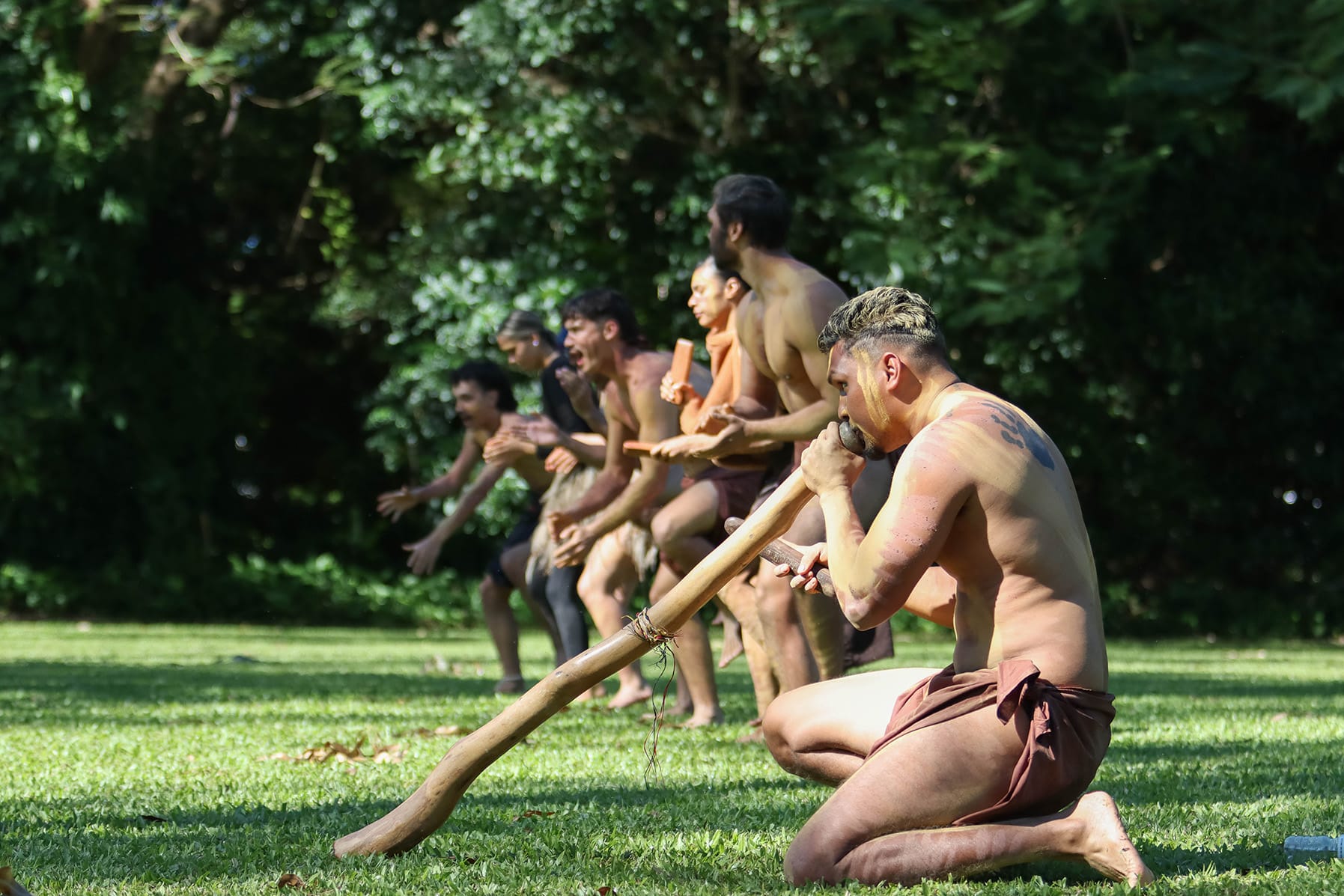
Now entering its fourth year, Native Nations uses indigenous tourism, cultural exchange and leadership development to connect young indigenous people across nations, strengthening identity, confidence and lifelong relationships while creating pathways into leadership, education, employment and community development.
Since 2023, Native Nations has brought together indigenous youth from Aotearoa New Zealand, Australia, British Columbia (Canada), Yukon and Vanuatu.
For many participants, the programme has provided their first passport, first flight and first international cultural exchange, while inspiring indigenous tourism partnerships, regenerative tourism trails and collaborations that continue long after each exchange concludes.
This year’s exchange, Ngā Ara Tūpuna – The Ancestral Pathways, will bring together 10 Māori rangatahi from participating iwi across Aotearoa and 10 Aboriginal young people from central Australia.
The exchange begins in Aotearoa, from August 1-10, before continuing through Mparntwe (Alice Springs), Tjoritja (West MacDonnell Ranges), Yulara and Uluru from August 20-30.
A programme highlight will see participants camp on country before departing at 3am to complete a challenging 16-kilometre return hike to the summit of Ruwi (Mt Sonder), arriving at sunrise alongside Aboriginal knowledge holders while learning the stories, history and cultural significance of one of Australia's most remarkable landscapes.
The exchange comes at a time when many indigenous communities across Australia and Aotearoa continue to navigate complex social, economic and wellbeing challenges, particularly within remote and regional communities.
Native Nations was created in response to a simple belief: that investing in indigenous young people through culture, connection, leadership and opportunity creates stronger futures – not only for individuals, but for families, communities and future generations.
Founder Nadine ToeToe said the programme continued to demonstrate the transformational power of indigenous-led tourism and cultural exchange.
“Many of our rangatahi begin this journey believing they’re simply going on an exchange. They return home with something much greater – a stronger sense of identity, lifelong indigenous connections and the confidence to lead within their own communities. That’s the true impact of Native Nations.
“Every year we watch young people return home standing taller. They leave with stronger cultural identity, greater confidence, lifelong friendships and a deeper understanding that indigenous peoples around the world share many of the same strengths, challenges and aspirations.
“Tourism has the power to connect people, but indigenous tourism has the power to reconnect people – with culture, identity, community and themselves. That’s the future we’re building through Native Nations.”
Australian Walking Holidays general manager Philip Wyndham said the programme demonstrated the power of travel to create lasting social impact.
“Travel has the power to change lives, but some journeys leave a far deeper legacy.
“Native Nations gives indigenous young people the opportunity to connect with culture, country and one another in ways that build confidence, leadership and pride in who they are.
“We are proud to support a programme that places indigenous voices, leadership and lived experience at its centre while creating meaningful opportunities for young people to learn from one another. This is reconciliation in action.”
A key cultural partner for the Central Australian programme is Aunty Rayleen Brown, Arrernte and Ngangiwumirri elder, chair of the Northern Territory Aboriginal Tourism Council and founder of Kungkas Can Cook.
“When young people walk together, learn together and share their stories, they realise they are not alone. That is incredibly powerful. Bringing young people together through culture, leadership and shared experiences is one of the most important investments we can make.”
Beyond the exchange, Native Nations has become a catalyst for indigenous tourism development, helping establish indigenous-led regenerative tourism trails, strengthening relationships between indigenous tourism operators across nations, and inspiring a new generation of leaders committed to culture, community and environmental stewardship.
Applications are now open for Māori rangatahi aged 18-24 years (exceptional 17-year-olds may be considered based on maturity) who whakapapa to participating iwi.
The exchange is fully sponsored, including passports (where required), international flights, accommodation, transport, cultural experiences and approximately 95 percent of meals.
Applications close on Friday, and should include a CV and one-page letter explaining why applicants wish to participate, and should be emailed to: [email protected]