
Kawerau funeral service makes farewells more affordable
Tamara Herdman
A Kawerau couple are helping whānau take a more hands-on, affordable and culturally grounded approach to caring for loved ones after death.
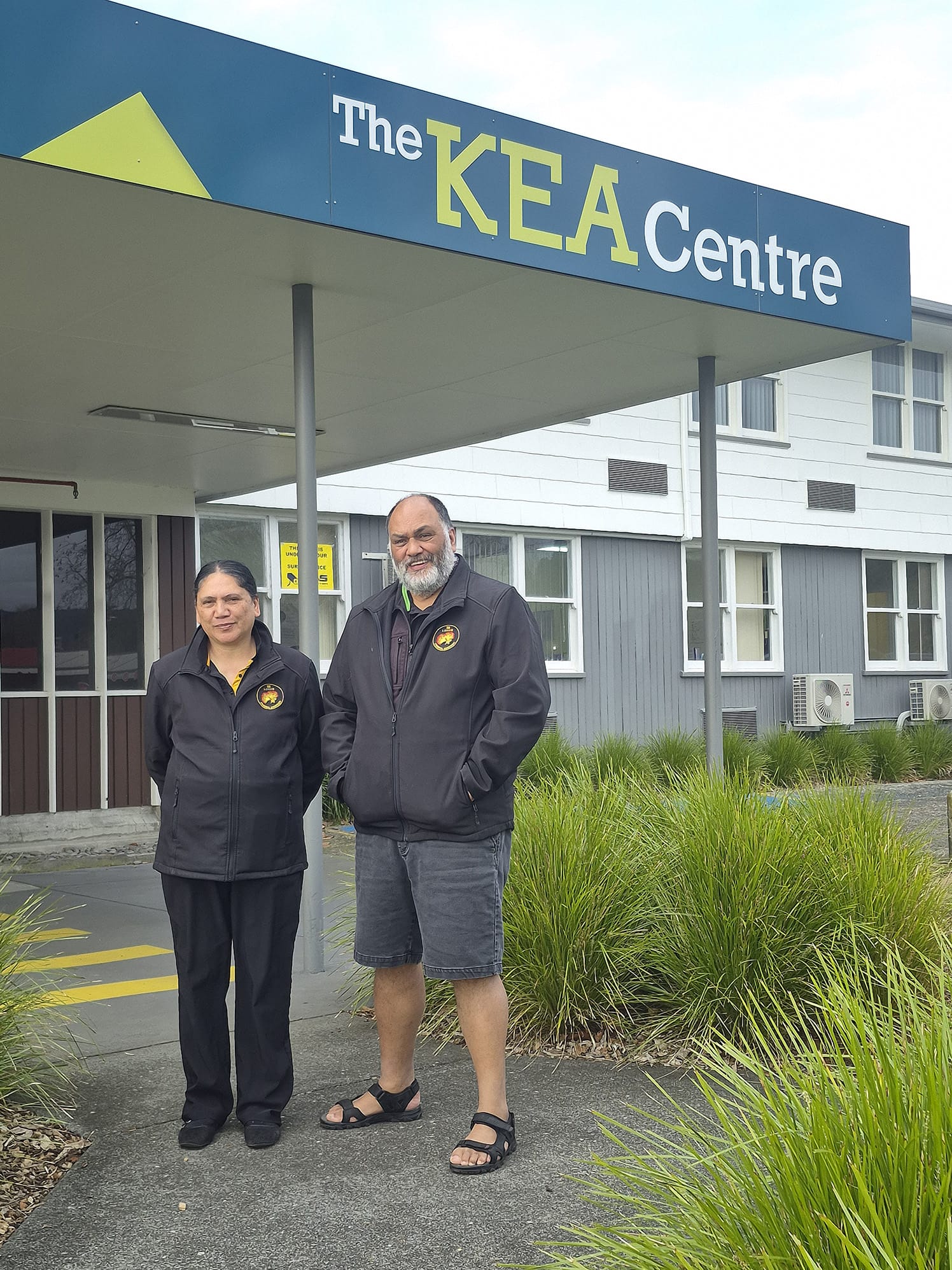
Hemi and Memory Mooney of HMLFS Funeral Consultancy operate from an office in the KEA building in Kawerau, walking alongside families through every stage of natural care for their loved one.
Their service blends practical support with elements of mātauranga Māori, so whānau understand the expected changes and feel confident, informed, and supported throughout the process.
The business was created after seeing whānau struggle with funeral costs and recognising the growing desire for families to be involved in caring for their loved one.
Hemi Mooney, a qualified embalmer and funeral director, said many families felt overwhelmed by the upfront cost of a funeral.
“Our service aims to ease that pressure by keeping costs manageable while still honouring their loved one,” he said.
Because the process is natural, they guide whānau through each step, so they understand what to expect and feel reassured and supported.
“When a funeral has not been planned or occurs unexpectedly, the upfront cost can place real stress on families,” he said.
Hemi recalls supporting a kuia whose “basic” funeral costs kept climbing. Seeing her alone and unsure how she would afford it made him realise there had to be another way. That moment strengthened his commitment to supporting whānau differently, while still upholding the professional standards that keep families safe.
He said funeral homes played a significant role in death care and there were regulated aspects he would not cross as a professional, because his priority was always the safety and wellbeing of whānau and ensuring grief did not become traumatic.
He said those regulated responsibilities sat within a wider landscape where different funeral services offered different models of care.
Most funeral homes carry the cost of purpose-built facilities, equipment and resources needed to organise and run a funeral, and those overheads are reflected in their pricing. HMLFS Funeral Consultancy was built around guidance, support, and helping whānau access what they need while keeping costs low.
Part of keeping costs manageable is helping whānau access the support available to them. The couple also help families apply for work and income funeral grant, veterans funeral expenses, and/or ACC support.
The desire for whānau to be involved is reflected in long-held practices, remaining with their loved one after death.
For many Māori communities, tikanga guides whānau to stay with their loved ones who have passed.
Hemi said this extended across all cultures. The involvement often begins well before a death occurs, with whānau wanting to understand the process and feel prepared. Those early conversations often lead to wider whānau hui, meeting where relatives can ask questions and talk through concerns. Many of the questions come from not having the information.
“It is about sitting with whānau in a place of love and respect, listening, and then outlining the process,” he said.
In some cases, those conversations continue for months before a loved one passes away. As whānau grow more confident in the process, many begin exploring the practical ways they can be involved, and the couple support them through those choices.
The service supports families wanting to build their own caskets, use alternative eco-friendly options, or prepare harakeke wraps and shrouds. They also rent equipment such as cooling pads.
To support that hands-on involvement, the couple offer workshops and wānanga that help whānau understand what natural death care looks like and build confidence in their choices.
“Keeping those workshops affordable is important. Some workshops elsewhere can be quite costly, and many whānau simply cannot stretch to that.”
They look at funding options, so the information is accessible without adding financial pressure. While based in Kawerau, the service supports families across the wider region, and sometimes further when needed.
“Marae throughout the area have been highly supportive. More people are wanting to do things in a Māori way, or a more natural way. Whānau often share that if they have been caring for their loved one right up until they pass, this is just that extra gift they can give them afterwards too.”