Tools for helping women take control of their health

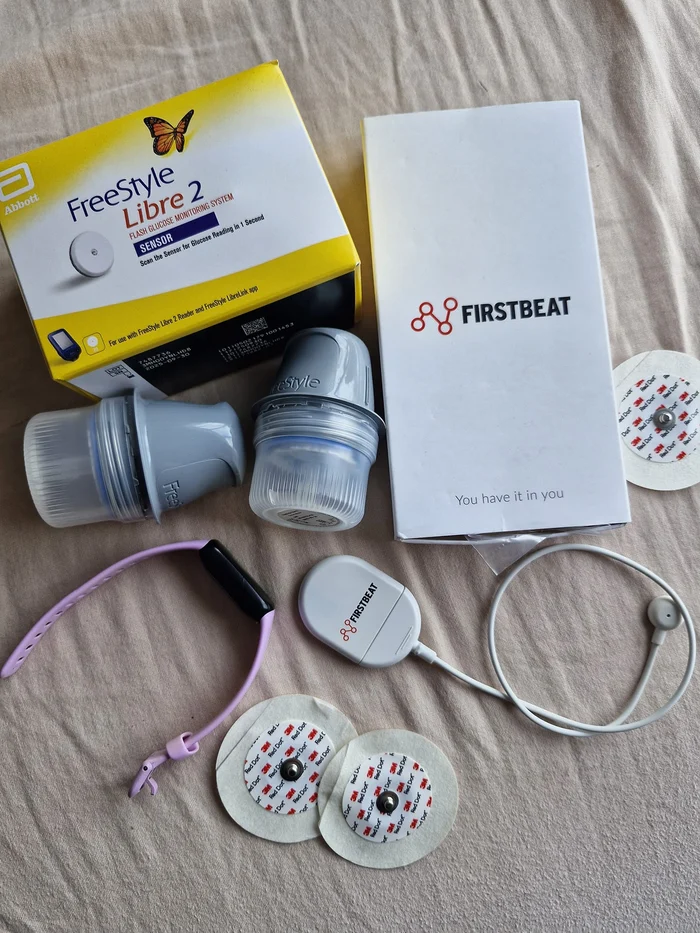
WELLBEING FOCUS: Health coach Ashlee Sturme wears a Firstbeat device, a tool to help clients improve their overall health. Photos supplied
Tamara Herdman
For health coach Ashlee Sturme, the goal has always been prevention rather than waiting for people to reach burnout.
“I love the idea that we can be fencing the top of the cliff instead of always putting an ambulance at the bottom,” she said.
Sturme moved into health coaching in 2019 after her own health journey led her to explore preventative healthcare and lifestyle-based wellbeing. She graduated as a health coach in 2020 and now works primarily with women, helping them navigate stress, sleep, nutrition and self-care in ways that fit real life.
“Most people already know they need to eat better, sleep more or manage stress differently,” she said.
“The gap is actually doing it consistently and getting results.”
Rather than handing out strict meal plans or rigid exercise routines, Sturme said health coaching focuses on finding practical solutions tailored to each person’s lifestyle.
“There’s no point telling a busy new mum to just go to the gym when she’s up all night with a baby or giving a meal plan to a shift worker who doesn’t have time to cook. Everyone’s life is different.”
One of the biggest tools changing her work has been heart rate variability monitoring through wearable technology such as Firstbeat devices, smart watches and rings.
“We used to think the heart just went boof, boof, boof, but there’s actually variation between heartbeats, and that tells us a lot about how the body is responding to stress.”
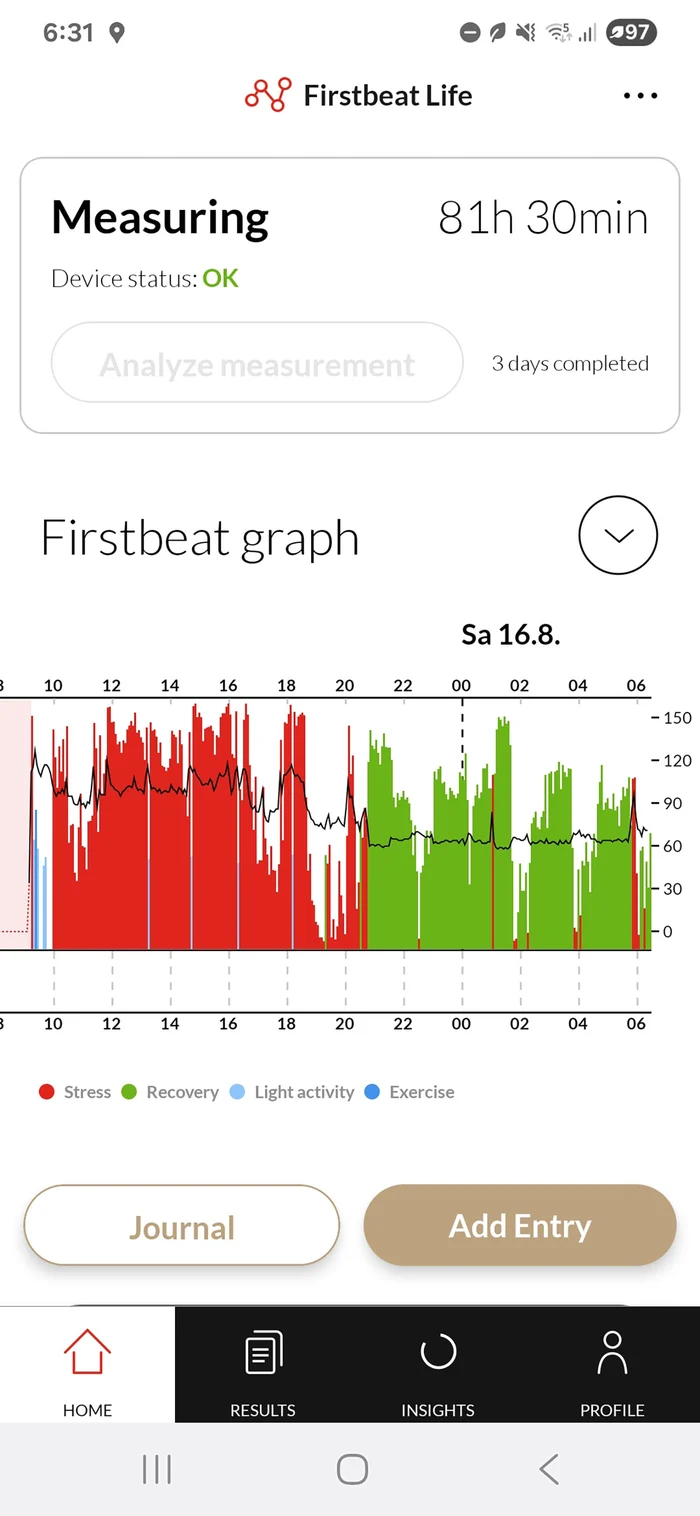
The data tracks when the body is in stress mode versus recovery mode, helping clients understand how work, parenting, alcohol, exercise and sleep affect their wellbeing.
“Sometimes people think they’re coping fine, until they actually see the data; it can be a wake-up call.”
She recalled one client whose stress levels spiked every Tuesday during a recurring work meeting.
“She couldn’t avoid the meeting, but once we understood what was happening, we could build recovery strategies around it, like going for a walk afterwards.”
Another woman discovered her stress levels were higher when working from home.
“When we looked at it, it made sense; at home she felt like she should also be doing washing or housework instead of focusing on work.”
Sturme also uses continuous glucose monitors (CGMs), commonly used by diabetics, to help clients understand how their bodies respond to food, stress and sleep.
“You might have someone crashing at three o’clock every afternoon and reaching for chocolate. When we look at the data, we can often see their blood sugar has been bouncing around all day or that they’re completely exhausted from poor sleep.”
She believes many women have fallen into a mindset of constantly pushing through exhaustion.
“There’s this attitude of ‘I’m fine’ or ‘I’ll sleep when I’m dead, but long-term stress is terrible for our health.”
Sturme said one of the most rewarding parts of health coaching was seeing clients experience those “aha” moments when things finally click.
“When someone realises they can actually do this, or they finally understand what their body needs, that’s the cool part,” she said.
While wearable technology and data can provide valuable insights, Sturme said lasting change still comes back to connection and support.
“People need to feel seen and heard, sometimes having someone sit beside you and help you work through life’s messiness makes all the difference.”