
Government backs Ōpōtiki marina development
.
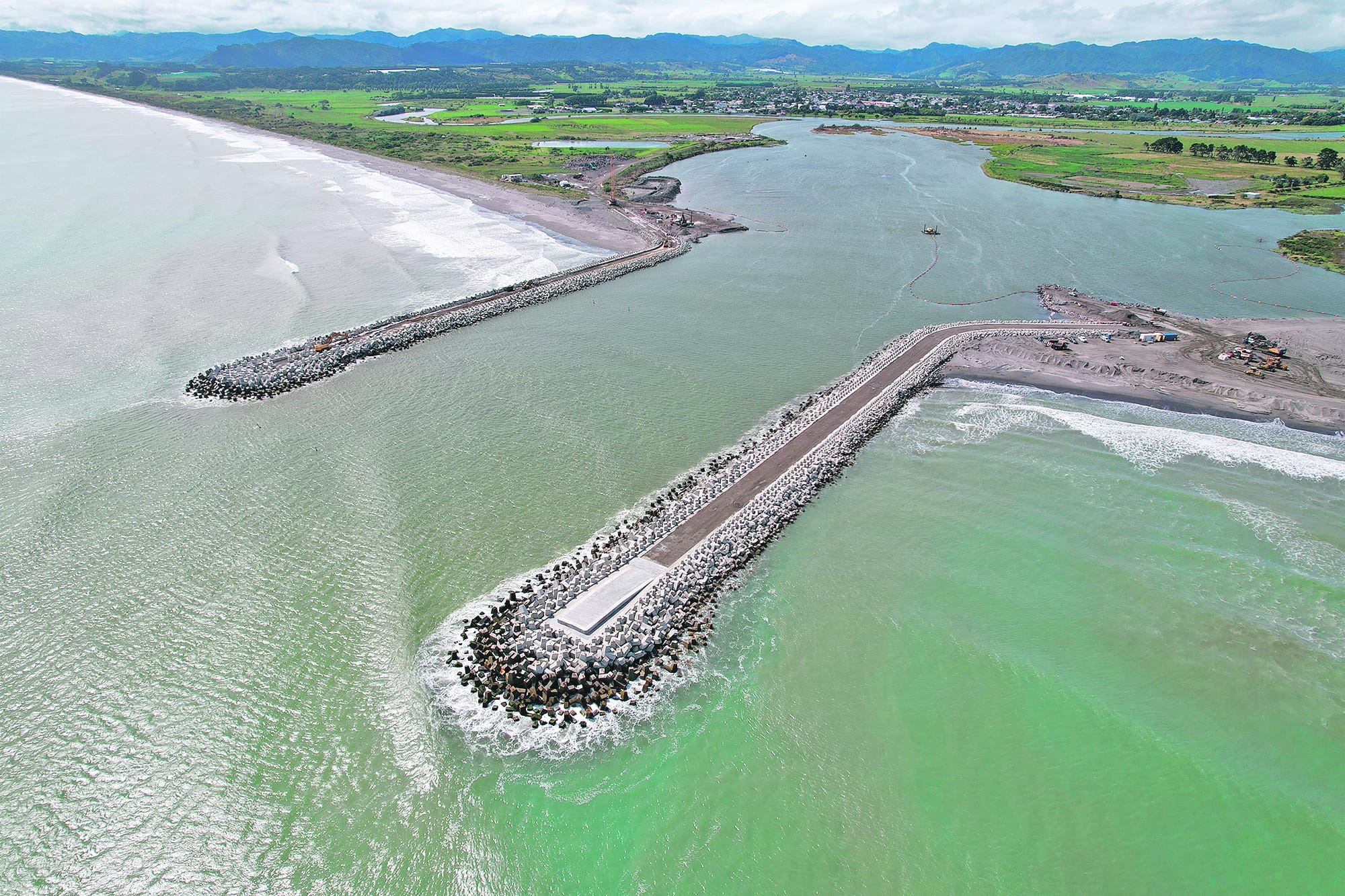
The Government is investing $12.5 million through the Regional Infrastructure Fund towards the development of the Ōpōtiki Marina.
Regional Development Minister Shane Jones announced the funding earlier this week, along with a $3 million grant for geothermal projects in the Western Bay of Plenty.
“These investments are about backing the infrastructure and resources that will drive long-term regional growth and economic prosperity,” Jones said.
The $12.5 million committed to the Ōpōtiki Marina will support construction of a marina basin, wharf and piers, a boat ramp, and related marine infrastructure. Up to 87 jobs will be supported during construction.
“This is the final major infrastructure component needed to support the scale-up of aquaculture in Ōpōtiki,” Jones said.
“The marina will provide year-round safe berthing for aquaculture and commercial vessels, improve the efficiency of mussel harvesting and servicing operations, and support further investment in marine industries.”
The funding is made up of a loan and equity. Project partners will provide co-funding of $12.5m.
The investment builds on significant investment already made by central government, iwi and local government to establish aquaculture farms, a mussel spat facility in Te Kaha, and a mussel-processing facility and a new harbour entrance in Ōpōtiki.
Separately, a $3m grant from RIF funding ring-fenced for geothermal projects will support the Gas to Geoheat – Tauranga Geothermal System Project, an early-stage geothermal exploration initiative in partnership with local landowners. The project will drill two test wells in the Mount Maunganui industrial area and Te Puke/Rangiuru area.
“This is a public-good initiative that will support potential future energy projects such as neighbourhood central heating networks in which geothermal heat is supplied through a shared network to multiple buildings instead of each building installing its own system,” Jones said.
Led by GeoExchange NZ Limited and landowners, the project will create publicly available geothermal data that will help in understanding the resource and renewable energy opportunities for the region. The project is expected to create 15-20 jobs during delivery.
“The Bay of Plenty is rich in natural resources with economic potential. These investments will help unlock that potential, support jobs, strengthen energy security and create opportunities for future regional development.”
Aquaculture agreement with Bay of Plenty iwi
A major aquaculture settlement between the Crown and Te Moana-a-Toi iwi that will deliver significant growth and opportunity to the Bay of Plenty has been celebrated this week.
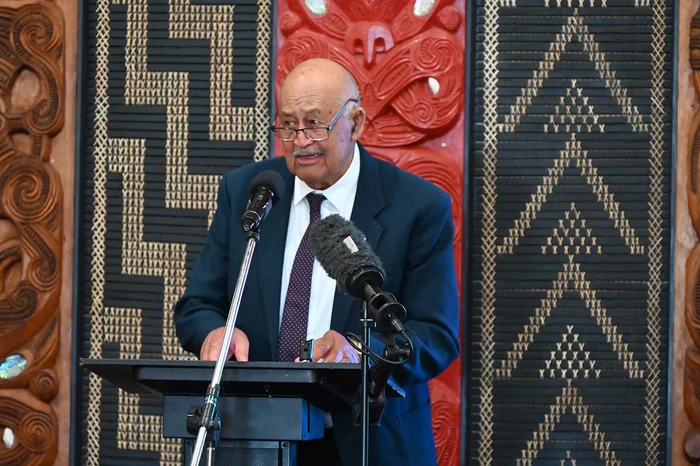
Oceans and Fisheries Minister Shane Jones attended a ceremony in Tauranga on Monday for the settlement agreement that was signed in February under the Māori Commercial Aquaculture Claims Settlement Act 2004.
“This important milestone delivers on the Crown’s settlement obligations, supports aquaculture development in the region, and ensures iwi take a leading role in the resulting workforce development and economic growth,” Jones said.
“The Bay of Plenty has the potential to grow its position as an important contributor to the success of our aquaculture sector.”
The Crown and 12 Te Moana-a-Toi iwi aquaculture organisations agreed to a package of assets representing 5000ha of new aquaculture space.
The Bay of Plenty is home to New Zealand’s open ocean mussel farming, which has been identified as having the potential to reach an annual revenue of $200m by 2035.
“Achieving this will have major benefits for the Bay of Plenty, generating export dollars and stable jobs that strengthen local communities. I understand iwi in the region are planning to work collectively to develop the new aquaculture space, which will provide significant economic benefits to the region as a whole.”