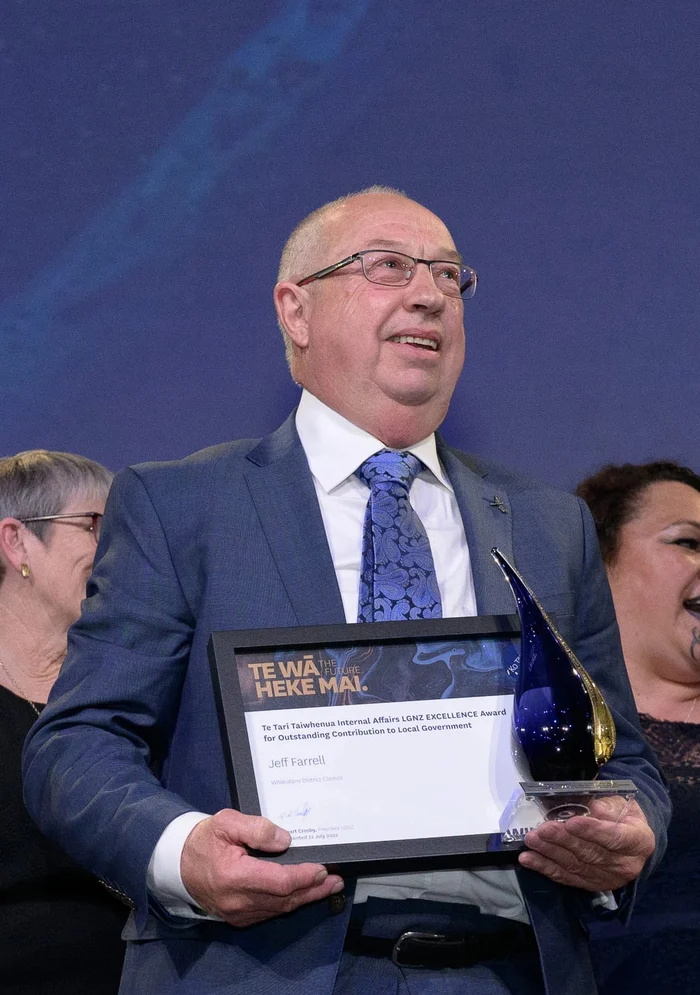
Lots to do on the horizon for Jeff
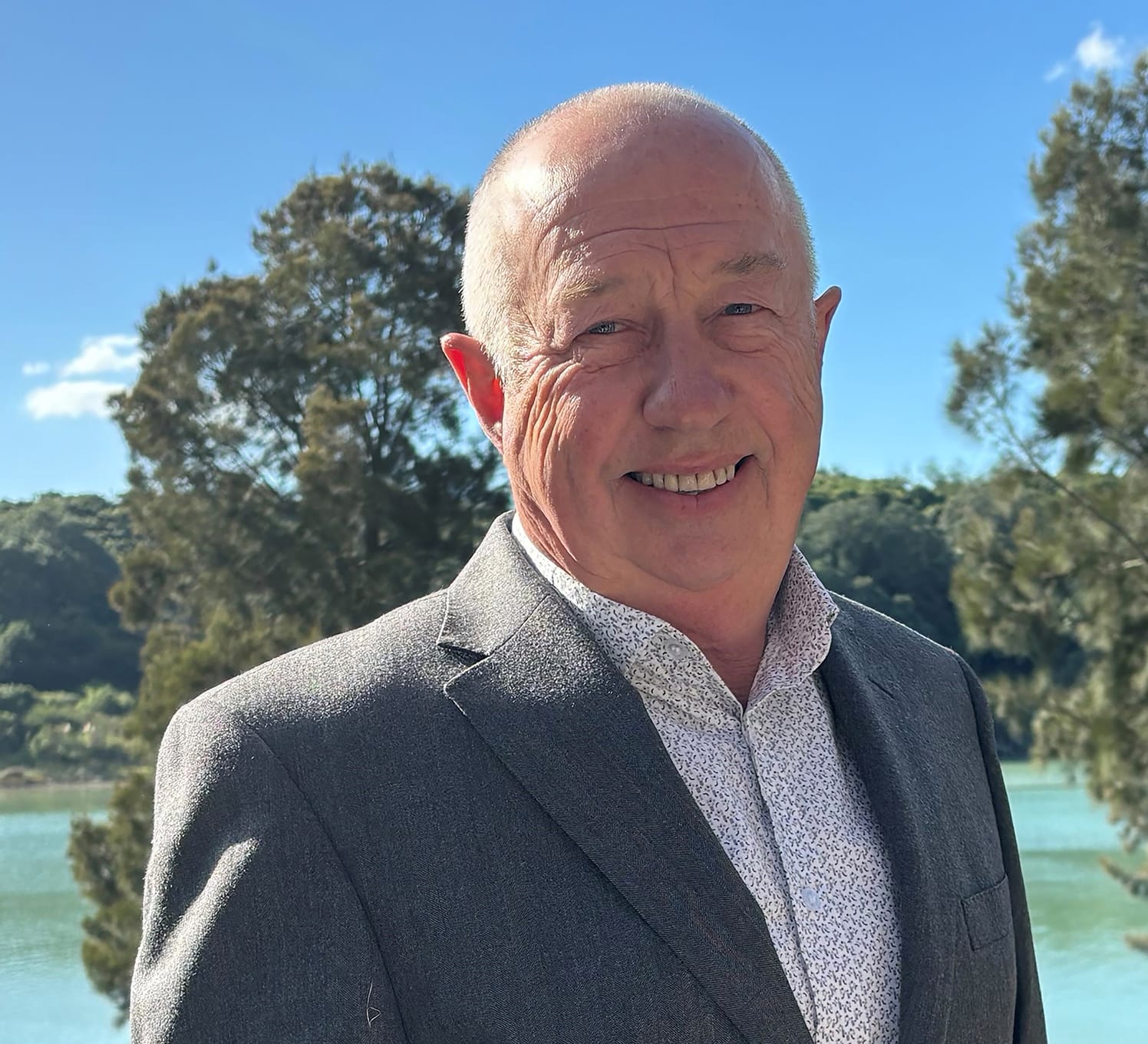
KEEPING BUSY: Jeff Farrell at his home on Ōhakana Island. Photos supplied
Diane McCarthy
Retirement from Whakatāne District Council has boomeranged Jeff Farrell into even greater involvement in local government across New Zealand.
The 71-year-old strategic projects manager left at the end of June after spending 47 of his 50 years in local government at the Whakatāne council,
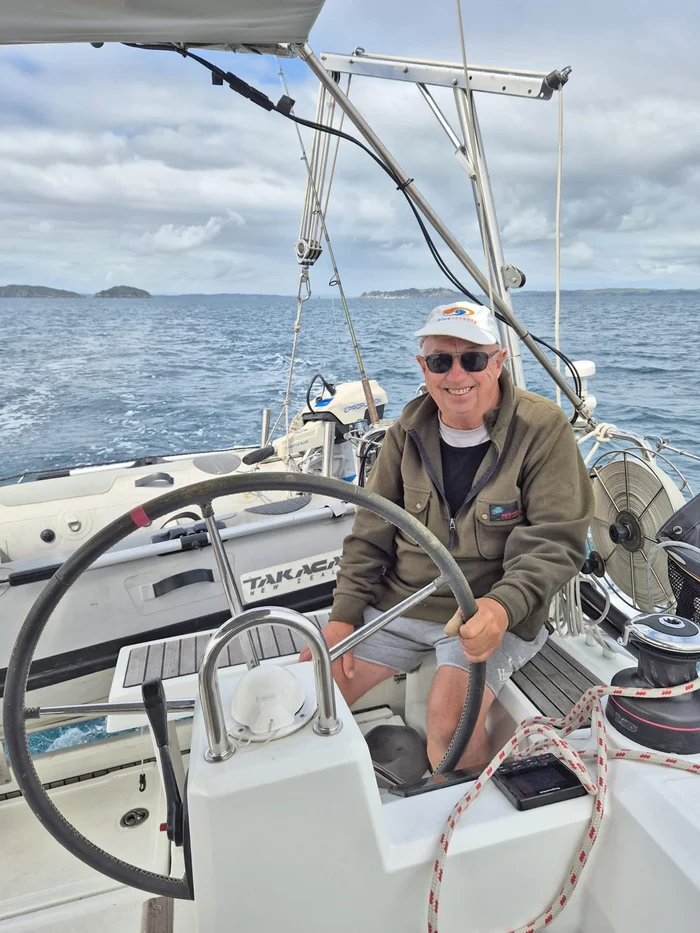
He had hoped to spend more time sailing his small catamaran.
A keen sailor, he is one of the founding members of the Port Ōhope Yacht Club, which he started with two friends.
“We had something called the Ohakana Island Catamaran Squadron. Three of us had catamarans. We used that to get some sponsorship from Lion Breweries to run some races from Ōhiwa Harbour to Te Kaha for any trailer-able yacht. So that gathered people together. From that, the Port Ōhope sailing club got established.”
He still has a small catamaran, but doesn’t get to use it as much as he would like.
“I do go away sailing with a close friend who has got a cruising yacht for a couple of weeks.”
Since leaving the council, he has been even more in demand for his expertise in climate change mitigation and natural hazard risk management.
For many years, Farrell has provided advice to other councils, sat on national advisory boards and authored papers on these subjects.
“When I reduced to two days a week, which I did at Christmas, other councils reached out to see if I could continue to help them, but as a consultant,” he said.
I thought I’d have a bit more spare time, but it’s hard to say no to people. It’s one thing I haven’t really learned well,” he said.
“I’ve typically worked between 45 and 55 hours a week and I’ve still pretty much been doing that. I’m hoping to sort of ease back a bit.”
Among Farrell’s significant contributions to local government was leading the managed retreat programme following the 2005 debris flow at the Awatarariki River fanhead in Matatā.
It was a first of its kind in New Zealand and he received national recognition for this and other work at the Local Government New Zealand 2022 conference, winning the Outstanding Contribution to Local Government Award.
“We achieved something at Matatā that hadn’t been achieved before,” he said.
“There were 34 properties and a lot of the residents were super thankful that there was an opportunity to move on with their lives.
“There were some that resisted the idea, and I understand their position. It was a good outcome in the end. People were paid the market value for their property, which the Government is saying is not going to happen again.
“They got a good deal. I’ve caught up with a lot of them subsequently and they’ve been thankful for the support the council gave them during that process.”
This year he has been working with Tauranga City Council and Thames Coromandel District Council on landslide risk management, including at Mauao, where six people died in a landslide in January.
He said during his time at Whakatāne council, councillors and chief executives were always hugely supportive of him sharing knowledge with other councils around New Zealand.
It is one of the reasons he recommends a career in local government to young people looking to make a difference in their communities.
“In the private sector, knowledge is something that can contribute to wealth and is protected, whereas in local government, knowledge is shared for the benefit of New Zealand communities,” he said.
“For people who really care about their communities, local government has some fantastic roles, and you can achieve a lot.
“There’s quite a diverse range of jobs. Whether it’s transportation, three waters, legal, regulatory, climate change, strategic policy work – it’s quite variable and there’s lots of challenges.
“If you like working with people and you want to help your community, local government is a good opportunity.”
Helping communities be more resilient in the face of natural hazards is what has motivated him.
“That is what drives me. Seeing communities not end up in really bad situations when there’s natural hazard events. Because I’ve seen so many.”
Farrell has responded to 24 natural hazard events within the Whakatāne district and also assisted with many others across the country, from Cyclone Bola in 1988 to Cyclone Gabrielle in 2023.
His most recent work at the Whakatāne council has been helping develop the online Adaptation Explorer tool, available on the council’s website to help people understand risks to their properties.
“It’s all-around community resilience to natural events and trying to encourage communities to adapt. We know the climate is changing, everyone should be aware of that, even though some people are hesitant about the science.
“My approach to those people has been, ‘well, forget the science. You can see floods happening and if it has happened in the past, it could happen again. Don’t you think it’s a good idea to do something that might reduce the impact of those events when they do happen?’”
Through it all, Farrell said his family had always been his “reason for being”.
His wife, Julie, who was head of Social Science at Trident High School where she taught for 40 years, has also enjoyed returning to work post-retirement and is relieving at Whakatāne High.
They have three daughters and three grand-daughters.
“They’ve been so supportive and just great company to be with, and it has been wonderful to see them growing into fantastic adults.”
He continues to live on Ohakana Island in Ōhiwa Harbour, where the family have an avocado orchard.
He likes to stay busy.
“I would like to spend more time fishing and sailing. I get restless when I’ve got nothing ahead of me.”