
Community solar projects boost resilience
.
Communities across the Whakatāne District are becoming more resilient thanks to a series of solar energy projects supported through a partnership between Whakatāne District Council, Emergency Management Bay of Plenty and the Energy Efficiency and Conservation Authority (EECA).
The projects form part of the council’s climate and resilience work programme and have helped secure significant external funding for community facilities across the district.
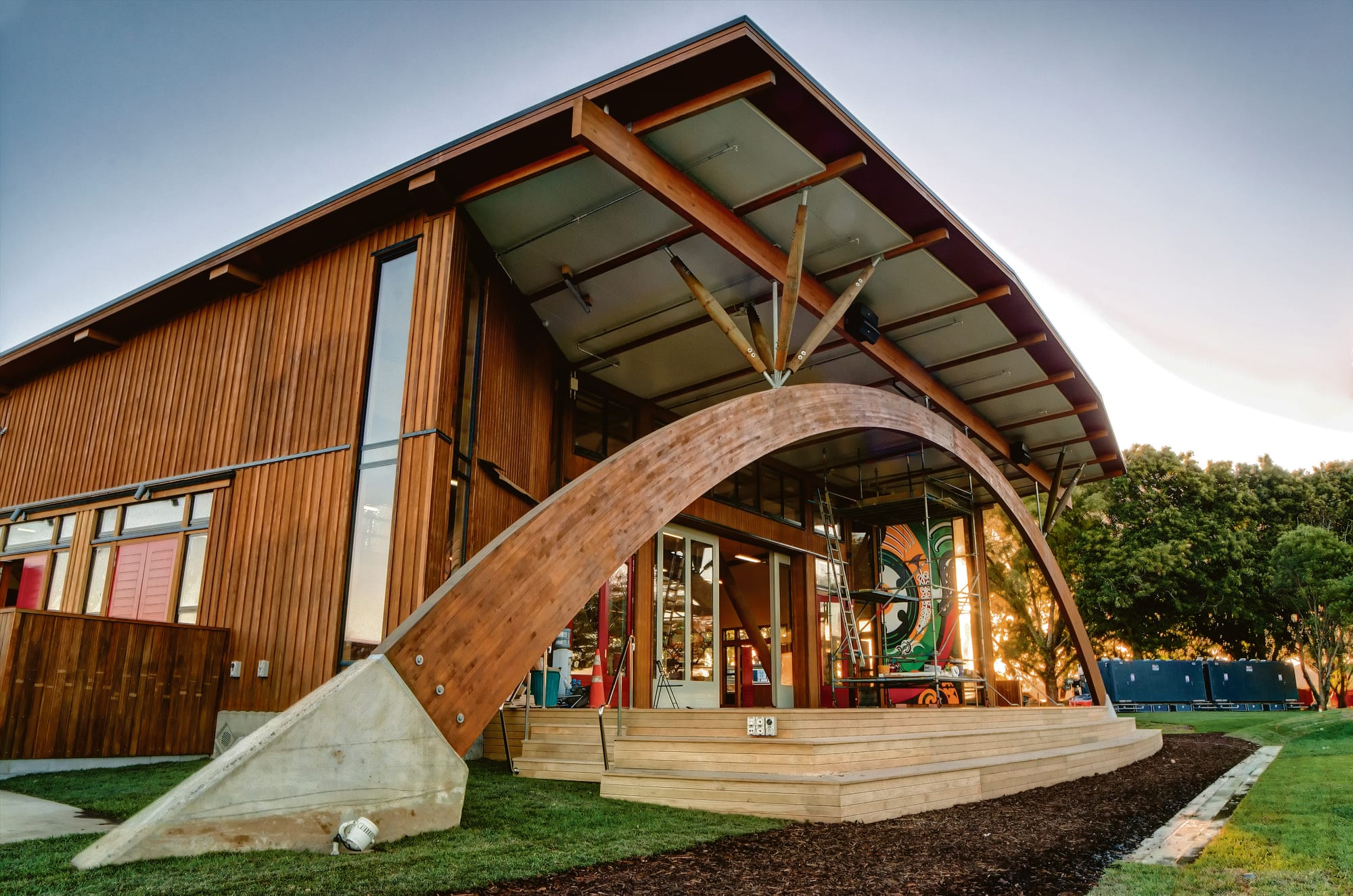
A major milestone has been securing $100,000 in EECA co-funding for a solar installation project at Te Uru Taumatua, pictured above, strengthening the partnership between the council and Ngāi Tūhoe.
The council has also supported solar projects at Ruaihona Marae and Te Teko Racecourse Park, with each project receiving 80 per cent funding support through EECA, increasing resilience and energy independence at community facilities.
Further solar installations have been completed at Whakatāne War Memorial Hall and Edgecumbe War Memorial Hall. Both facilities are intended to function as community resilience hubs during emergency events where appropriate. The hall installations were funded 80 per cent by EECA and 20 per cent by the council through its Climate Change and Resilience budget.
Climate change and resilience manager Lou Hunt said as a district, Whakatāne needed to continue taking practical action to become more resilient.
“These projects help community facilities remain operational during emergencies while reducing energy costs and supporting a more sustainable future.”
The work is part of wider progress being reported through the council’s Our Climate Pathway programme, which includes renewable energy projects, emergency management initiatives, climate adaptation work and emissions reduction planning.