Council defers decision on joint waters service

Diane McCarthy
Ōpōtiki District Council has voted to defer any community consultation on forming a shared water services organisation with Whakatāne, Kawerau and Rotorua Lakes councils.
At a meeting on Tuesday, it was the first of the four district councils asked to make a decision on whether to further the process of forming the council controlled organisation by taking the idea out to the community.
Whakatāne faces the same decision today, followed by Rotorua Lakes on September 23 and Kawerau on September 30.
The Ōpōtiki council agreed to defer any consultation until it had a clear direction about whether the Eastern Bay councils’ Head Start proposal would be accepted by the Government as part of its local government reform process.
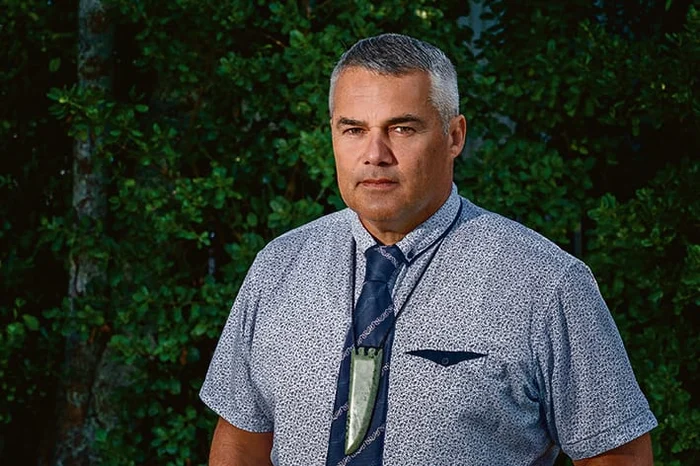
Mayor David Moore described the water service issue as a “massive consultation piece”.
“It is a big kaupapa,” he said.
“I don’t know whether we want to do a consultation on this now and then another consultation on Head Start in a few months. I think they are two things that are joined together.”
A recent report by Martin Jenkins Consultants, commissioned jointly by the four councils, showed that Ōpōtiki water charges per connection would exceed $5000 by 2034 if the council kept them inhouse.
Costs under both a CCO and an in-house business unit would taper off following this.
The figure was based on a Water Services Delivery Plan the council submitted to central Government last year.
This was based on infrastructure investments set out in the council’s long term plan required to meet new wastewater and drinking water standards.
Tuesday’s meeting was the first time councillor Barry Howe had heard these figures.
“Those are scary figures for our people. That’s way more than the rates they’re paying at the moment.
“Our people can barely afford the rates they’re paying now. You’re talking $200 a week in rates. That’s unaffordable.”
Under a CCO, this would be reduced by around $70 a year. The cumulative reduction in price per connection would be $1710 by 2054.
This is significantly less than savings to be realised by other councils. This is because of Ōpōtiki council’s higher water debt-to-revenue ratio.
This is projected to rise from an already high level of over 400 percent to around 570 percent by the end of the 2029 financial year.
Ōpōtiki would see the greatest debt reduction of the four councils by joining the CCO.
It would also increase the council’s borrowing capacity to make necessary investments in water infrastructure and provide access to greater expertise, both in staff and governance.
The Martin Jenkins report also looked at a three-council model excluding Rotorua Lakes, which is by far the largest of the four councils. While there would still be benefits to this, they would be less than if Rotorua Lakes joined.
The mayor and councillors agreed it seemed unlikely that Rotorua Lakes would choose to be part of the water services organisation if the three Eastern Bay councils were amalgamated into a single unitary council. This was another reason to defer consultation until the council had a better picture of the available options.