
Brussels Sprouts – the little green powerhouse

.
■ Don’t write off the Brussels sprout just yet. These tiny green globes have come a long way from the overcooked, sulphurous vegetables many of us remember from childhood.
September is one of our last chances to enjoy Brussels sprouts before they disappear from our seasonal gardens and supermarket shelves. And that’s worth celebrating. These little members of the brassica family are nutritional powerhouses, packed with fibre, vitamin C, vitamin K and protective plant compounds, writes nutritional therapist Paula Sharp in her fortnightly column.
Despite their name, the Brussels sprout story goes further back than Belgium.
Ancient brassica relatives were cultivated in Europe centuries ago, while the vegetable we know today became associated with Brussels, where it was widely cultivated from around the 16th century.
Brussels sprouts eventually made their way to New Zealand, where they were being grown in the 19th century and became increasingly popular during the 20th century.
Today, major commercial growing areas include Ohakune in the Central North Island and Oamaru in North Otago.
Their cool climate suits this hardy vegetable beautifully.
Growing in the Bay can be tricky, our autumns and winters often don’t get cold enough.
Brussels sprouts are part of the Brassica oleracea family, along with broccoli, cauliflower, cabbage and kale.
They provide vitamin K, important for normal blood clotting and bone health, and vitamin C, which supports immune function, collagen production and iron absorption.
They also provide fibre, folate, potassium, vitamin B6 and thiamine.
Then there are the phytonutrients that make brassicas particularly interesting.
Brussels sprouts contain glucosinolates, carotenoids and phenolic compounds, naturally occurring plant chemicals that are part of the reason I encourage eating a wide variety of colourful vegetables.
And don’t be put off by their old reputation for bitterness.
Modern varieties are generally more palatable, and cooking them well makes all the difference.
Brussels sprouts are a cool-season crop, making autumn and winter ideal growing conditions.
If you do give them a try in the garden, they like fertile, well-drained soil and plenty of room, around 60-75-centimetre between plants.
The sprouts form along a tall central stem, developing from the bottom upwards. Protect plants from strong winds, keep an eye out for the usual brassica pests and harvest the firm sprouts from the bottom first, allowing those higher up to continue developing.
And here’s a little secret: cool weather can improve their flavour, helping develop a sweeter, less bitter sprout.
The quickest way to turn someone into a Brussels sprout convert? Don’t boil them to death.
Try roasting, pan-frying or lightly steaming instead.
Halve larger sprouts so they cook evenly and pair their earthy flavour with lemon, garlic, herbs, nuts or good-quality oil.
September eating at its best: seasonal, colourful, crunchy and full of goodness.
If Brussels sprouts have been sitting firmly on your never again list, perhaps it’s time for a second chance.
The humble little sprout has grown up.
Here are two easy ways to bring them to the table.
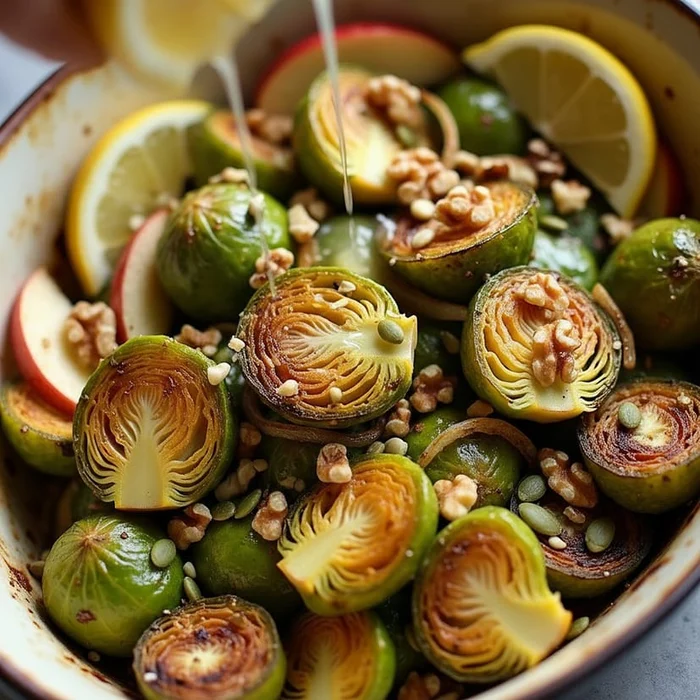
Crispy Lemon & Garlic Brussels Sprouts
500g Brussels sprouts
2 Tbsp coconut oil
2 cloves garlic, finely chopped
Zest and juice of 1 lemon
½ tsp sea salt
Freshly ground black pepper
2 Tbsp pumpkin seeds or chopped almonds
Heat oven and roasting dish to 200°C with the coconut oil.
Trim and halve the sprouts. Toss with the melted coconut oil, garlic, lemon zest, salt and pepper. Arrange cut-side down on the hot roasting dish and bake for 20–25 minutes, until golden and crisp around the edges.
Scatter with pumpkin seeds or almonds and finish with a squeeze of fresh lemon juice. Serves four
■ Paula’s tip: Don’t overcook them. You want a tender centre and beautifully caramelised edges, that’s where the magic happens.
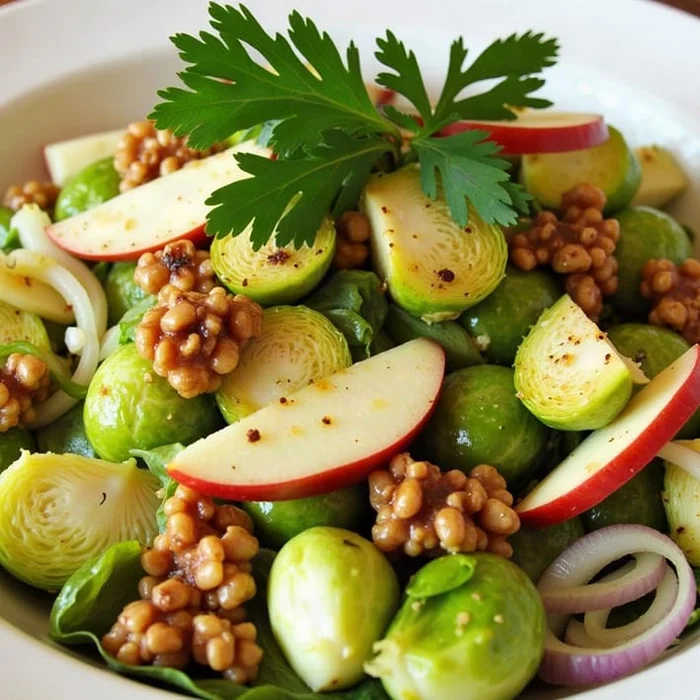
Warm Brussels Sprout, Apple & Walnut Salad
400g Brussels sprouts, finely sliced
1 crisp apple, thinly sliced
½ cup walnuts, roughly chopped
2 spring onions, sliced
2 Tbsp extra-virgin olive oil
1 Tbsp apple cider vinegar
1 tsp Dijon mustard
1 tsp honey
Sea salt and black pepper
A handful of fresh parsley
Heat a little coconut oil in a large frying pan. Add the sliced Brussels sprouts and cook for 4–5 minutes, stirring regularly, until just tender but still bright and slightly crunchy.
Whisk together the olive oil, apple cider vinegar, Dijon mustard and honey.
Toss the warm sprouts with the apple, walnuts and spring onion. Drizzle over the dressing, season with salt and pepper and finish with fresh parsley. Serves four.
A little help for your health?
If your body has changed, your energy isn’t what it used to be, or you’re simply not sure what your body needs anymore, let’s have a conversation.
I offer a complimentary 15-minute health call to hear what’s going on for you and explore whether working together could be the right next step.
You’ll come away with personalised health tips — whether we work together or not.
Paula Sharp Nutrition, Nutritional Therapist & Mindset Coach. Book your complimentary call: www.paulasharpnutrition.com