
The versatile rhubarb

.
■ There’s something wonderfully nostalgic about rhubarb. It can bring back memories of grandparents’ gardens, bubbling pots of stewed rhubarb on the stove and homemade crumbles emerging from the oven. For others, it’s that curious plant with enormous leaves and bright pink stalks that seems to grow without much encouragement, writes nutritional therapist Paula Sharp in her fortnightly column.
Whatever your memories, rhubarb has a place in our spring kitchens. Its striking colour, sharp flavour and impressive nutritional qualities, this old-fashioned favourite has a lot to offer.
Despite appearing in pies, jams, crumbles and desserts, rhubarb is botanically a vegetable.
We simply treat it like a fruit because of its tart flavour and ability to pair beautifully with sweeter ingredients.
Rhubarb belongs to the same plant family as buckwheat and sorrel.
Its edible stalks range from pale green to deep crimson, although colour isn't necessarily an indication of sweetness.
Some green varieties are just as delicious as their red counterparts.
One important point: eat only the stalks.
Rhubarb leaves contain potentially toxic compounds and should never be eaten, by people or animals (eg, chickens, sheep, cows et al.)
Rhubarb brings many worthwhile nutrients to the table.
Rich in vitamin K, which plays an important role in blood clotting and bone health, rhubarb also provides dietary fibre to support healthy digestion.
It contains smaller amounts of vitamin C, potassium and calcium, along with naturally occurring plant compounds that contribute to its antioxidant properties.
Its fibre helps support regular bowel movements, for a healthy digestive system.
Rhubarb’s plant compounds, called polyphenols, including anthocyanins in some red varieties, contribute to its colour and antioxidant activity.
Because rhubarb stalks are naturally high in oxalates, people who follow a low-oxalate diet, (usually around certain types of kidney stones), should limit their love of rhubarb.
And while rhubarb itself is low in sugar, the generous spoonful’s we sometimes add to tame its tartness can quickly change that!
My suggestion?
Try gently cooking rhubarb with apples, orange zest or a little vanilla.
These flavours soften its sharpness without needing quite so much sugar.
Or sweeten after it’s been stewed with raw honey.
Rhubarb is a perennial, so it just keeps giving delicious stalks year after year. It prefers fertile, well-drained, compost-enriched soil, consistent moisture and a sunny position.
In our warmer Bay, some afternoon shade can help protect plants from excessive summer heat.
Plant “crowns” with their growing buds near the soil surface and allow plenty of room for those magnificent leaves.
Be patient with young plants. Avoid harvesting heavily during their first year, so they can develop strong roots.
When harvesting established plants, one trick is to gently pull and twist the outer stalks from the base rather than cutting them. Leave several healthy stalks and leaves behind to keep the plant growing.
Rhubarb is so versatile. Roast it with orange and cinnamon, spoon it over thick natural yoghurt, stir it through porridge or serve it alongside pork for a surprisingly delicious savoury combination.
It also freezes beautifully. Simply wash, trim and chop the stalks, then freeze in portions ready for another day.
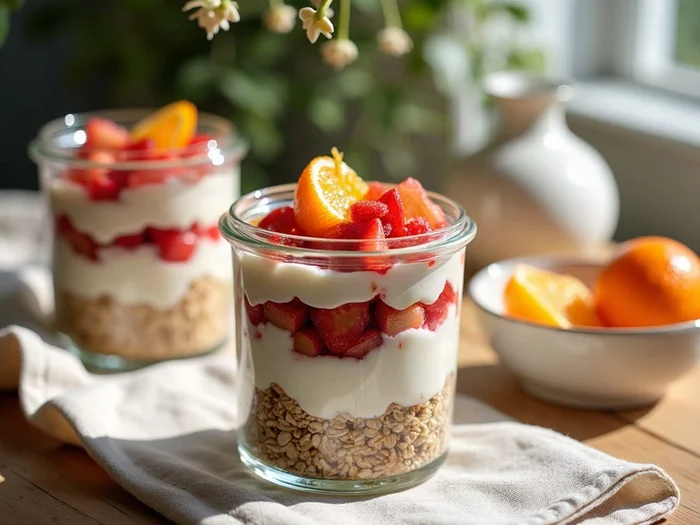
Roasted rhubarb, orange & ginger breakfast pots
Roasting rhubarb concentrates its flavour while orange and ginger bring natural warmth and sweetness. Serves four | 30 minutes
■ 400g fresh rhubarb, trimmed and cut into 3cm pieces
■ 1 large orange, zest and juice
■ 1–2 Tablespoons honey or maple syrup, to taste
■ 1 teaspoon freshly grated ginger
■ ½ teaspoon ground cinnamon
■ 400g thick unsweetened Greek yoghurt
■ ½ cup rolled oats
■ ¼ cup chopped walnuts or almonds
■ 1 tablespoon pumpkin seeds
Method: Preheat oven to 180°C. Place rhubarb in a baking dish with orange juice, zest, honey, ginger and cinnamon. Toss gently.
Cover loosely with foil and roast for 15 minutes. Remove foil and roast for another 5–10 minutes until tender but still holding its shape.
Toast the oats, nuts and pumpkin seeds in a dry frying pan until lightly golden. Allow to cool.
Spoon Greek yoghurt into four glasses or bowls. Add warm or cooled rhubarb and finish with the toasted oat mixture.
■ Paula's nutritional note: Greek yoghurt provides protein, the oats, nuts and rhubarb contribute fibre. Together, they make a satisfying breakfast or dessert with a great balance of textures and flavours.
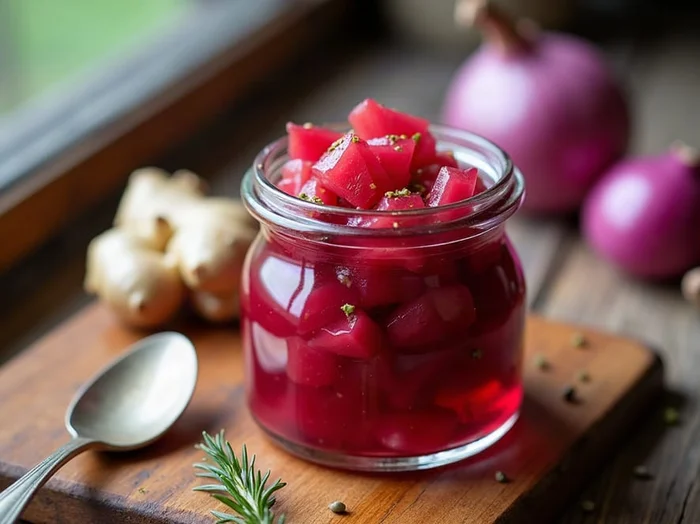
Rhubarb, red onion & ginger relish
Sweet, tangy and gently spiced, this relish is a wonderful way to enjoy rhubarb. Delicious with roast pork, chicken, sharp cheddar, homemade burgers or with cheeses. 45 minutes | Makes approximately 2 cups
■ 400g fresh rhubarb, trimmed and finely chopped
■ 1 large red onion, finely diced
■ 1 medium apple, peeled and grated
■ 2 Tablespoons freshly grated ginger
■ 1 garlic clove, crushed
■ ½ cup apple cider vinegar
■ ¼ cup date syrup or maple syrup
■ 1 teaspoon mustard seeds
■ ½ teaspoon ground cinnamon
■ Pinch of ground cloves
■ ½ teaspoon sea salt
■ 1 Tablespoon coconut oil
Method: Heat oil in a medium saucepan over a gentle heat. Add red onion and cook for 5 minutes until softened. Add garlic, ginger and mustard seeds. Stir for another minute until fragrant.
Add chopped rhubarb, grated apple, vinegar, date or maple syrup, cinnamon, cloves and salt. Stir well and bring to a gentle simmer.
Cook uncovered for 30–40 minutes, stirring occasionally, until the rhubarb breaks down and the mixture becomes thick, glossy and spoon-able.
Taste and adjust the sweetness or acidity to your liking. Cool slightly before transferring to clean jars. Refrigerate promptly once cold.
Storage: Keep refrigerated and use within 1–2 weeks or freeze in small portions.
■Paula's nutritional note: Rhubarb and apple provide dietary fibre, red onion, ginger and garlic contribute beneficial plant compounds. Making your own relish allows you to control the amount of added sugar.
■If you’d like more seasonal nutrition tips, recipes and practical health guidance, join my free newsletter at paulasharpnutrition.com. It’s where I share evidence-based advice to help women feel informed, nourished and confident in their food choices.