Weaving skills and creativity on show

Treasured: Level 5 student Lucy Rio with one of her favourite kete, which is among the works she is exhibiting at He Raranga Toi. Photos Kathy Forsyth E6233-04
Kathy Forsyth
An impressive array of traditional and contemporary raranga (weaving) is on display at the He Raranga Toi Exhibition, the annual showcase of work by raranga toi tuira (weaving students) at Te Wānanga o Aotearoa in Whakatāne.
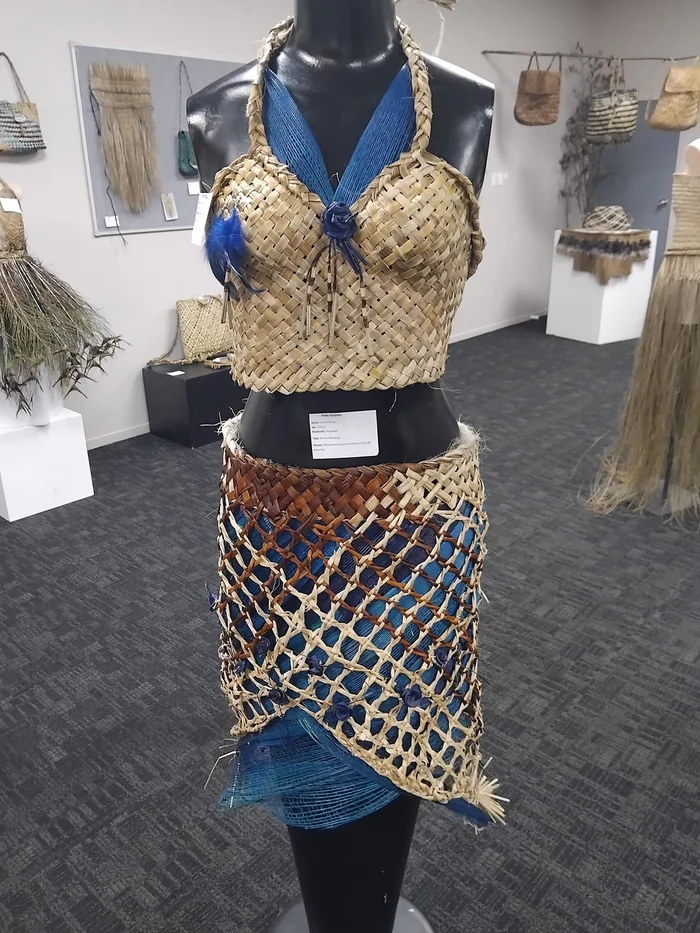
The exhibition, which opened this week at the Te Tahi Street campus, featured a new addition this year – a wearable arts show held last night, showcasing garments created by the students.
Fifteen students from the Kawai Raupapa Level 4 Certificate and Toi Paematua Level 5 Diploma courses are exhibiting their work, with pieces from both programmes on display alongside garments featured in the wearable arts show.
The students have created their work under the tutelage of Dr Lisa McKendry, who said she was impressed by the standard of work, including from those new to weaving.
“The majority of the Level 4 students had barely touched harakeke when they started, and all had never woven before,” she said.
“But I am super-impressed by what they have produced. I think they have excelled.”
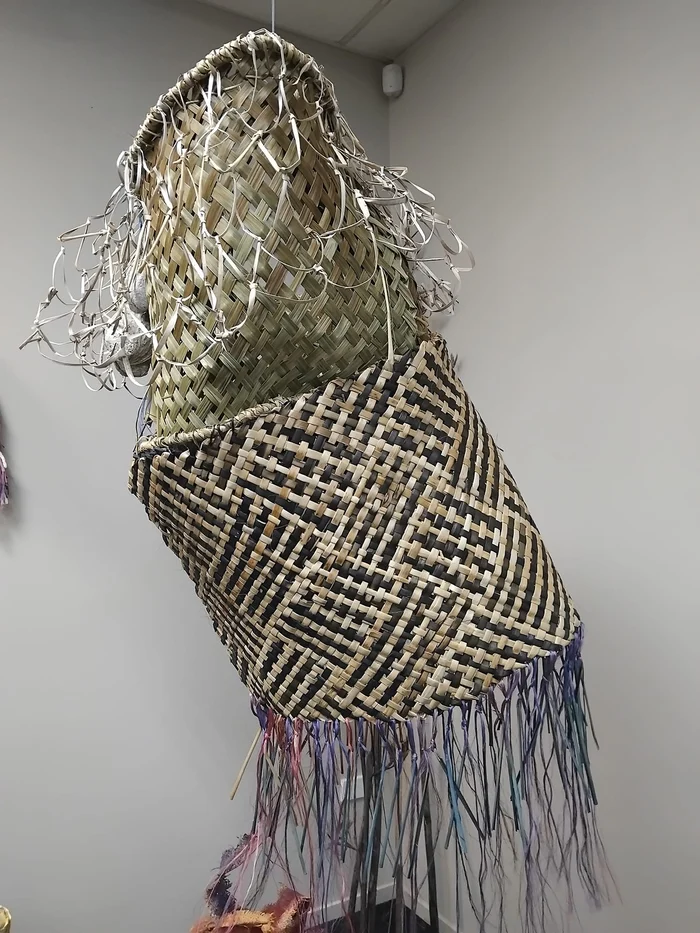
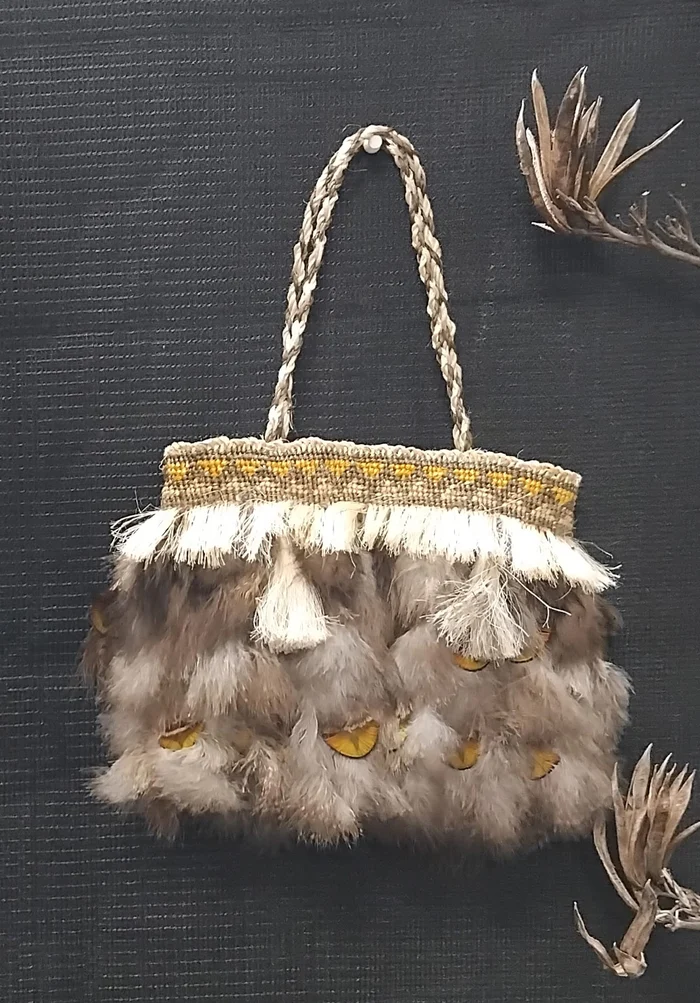
The exhibition features a wide range of work, including kete, wearable outfits, tukutuku panels, pōtae (hats), tāhei (necklaces), earrings, capes, feather kete, poi, pikau and whāriki.
McKendry said the end-of-year exhibition was an important opportunity for students to recognise how far they had progressed.
“I think it is the first time they can see how much they have achieved, especially for the students who have struggled. They suddenly go, ‘Wow, I’ve done it, and I can do it’.”
Students learn traditional Māori weaving and twining techniques, with most finished pieces made using harakeke and natural materials. Although modern materials are sometimes used during the learning process, traditional methods remain at the heart of the work.
McKendry enjoys teaching a diverse group, with students ranging in age from 20 to 70 and coming from both Māori and Pākehā backgrounds.
“Anybody can learn, but it takes commitment. You learn not just the actual weaving, but also the tikanga, because we can’t do this without our harakeke. We need to look after our harakeke, and to look after it you have to follow tikanga.”
For Level 5 student Lucy Rio, the course has offered much more than an opportunity to develop her weaving skills. She describes it as a healing journey that helped her through a difficult period following the death of her husband two years ago.
“Due to the stress and trauma, I just couldn’t do people. I resigned from my job and left it to the universe to provide me with something, and ended up on the raranga course,” she said.
“It was really a healing journey for me and exactly what I needed at that time.”
She has since become a confident and accomplished weaver, selling her kete and other work online and at several markets.
One particular unusual piece she has created is a large work depicting a kōeau, an extinct giant lizard reportedly spotted in Te Urewera in the mid-1800s.
Rio has gifted the piece to her marae, where its kapa haka group is named Koeau, to mark the opening of a new wharekai.
Incorporating a range of natural materials, including copper wire, the work took about a year to complete.
Rio said the course had taught her everything she now knew about weaving.
“Right from the start we learn how to harvest the harakeke, how to prepare it, and the preparation sometimes takes longer than the weaving. Preparation is key.”
She said learning the correct harvesting methods and keeping the pā harakeke (harakeke plantation) clean were also essential parts of the process.
The weavers encourage the public to come along to the exhibition this week.
McKendry said the wearable arts show would become a biennial event, with the next one planned for 2028.
Students spent a semester preparing their garments.
“But they have learned a lot of skills. They had to learn how to make a sculptural form first and had to learn different plaiting and twining techniques.”