
Peas – a mouthful of sweetness

.
■ There is something rather special about freshly picked peas. Perhaps it is the satisfying little pop as you split open the pod, the neat row of bright green peas nestled inside, or that first mouthful of sweetness.
For many of us, peas bring back memories of childhood gardens, helping grandparents shell peas at the kitchen table or eating more than we managed to collect, writes nutritional therapist Paula Sharp in her fortnightly column.
If you have ever tasted a pea straight from the garden, you will know that it tastes quite different to the ones that have spent months in the freezer.
Peas have been part of the human diet for thousands of years.
Archaeological evidence suggests they were cultivated in the Middle East more than 8000 years ago, making them one of our oldest food crops.
Originally, peas were grown primarily for drying and storing, providing a valuable source of nourishment through winter.
Fresh green peas became increasingly popular in Europe during the 16th and 17th centuries, particularly among those who could afford the luxury of eating them young and sweet.
Today, peas are grown around the world, in New Zealand spring and early summer give us the opportunity of eating them freshly harvested.
Despite their modest size, peas offer a surprisingly generous collection of nutrients.
Unlike many other green vegetables, peas provide a useful amount of plant-based protein, approximately 5 grams per 100 grams of cooked peas.
They also contain dietary fibre, supporting healthy bowel function and helping us feel satisfied after eating.
Peas are a source of vitamin C, which supports normal immune function and collagen formation, along with vitamin K, important for normal blood clotting and bone health.
They also provide folate, for cell growth and division, plus minerals including potassium and iron.
Their natural sweetness comes from natural sugars that gradually convert into starch after harvesting. This is why freshly picked peas taste so sweet.
In our busy lives, we often choose convenience over experience.
Frozen peas are economical, nutritious and very practical, but there is something worth rediscovering about growing and shelling your own.
Sitting quietly with a bowl of pea pods, opening each one and gently pushing the peas into another bowl can be a surprisingly calming activity.
When your hands are occupied, your mind has permission to slow down and there is a simple satisfaction in watching the bowl fill.
For children, shelling peas encourages curiosity about where food comes from, develops fine motor skills and offers the opportunity to taste vegetables in their most natural form.
And perhaps … it creates memories.
Peas are relatively easy to grow, particularly during New Zealand’s cooler spring months.
They appreciate a sunny position, well-drained soil and something to climb, depending on the variety.
Regular picking encourages continued production, although peas can struggle once summer temperatures climb.
If you have the space, even a small row can provide enormous satisfaction.
Fresh peas need very little cooking. Steaming for a few minutes will preserve their colour, texture and sweetness.
Toss them through salads, add them to risotto, blend them into a vibrant soup or enjoy them warm with fresh mint and a little olive oil.
Frozen peas remain an excellent alternative when fresh ones aren’t available.
But if you have the opportunity this spring, find yourself a handful of freshly picked pea pods.
Open one, taste what’s inside and remember how extraordinary something so ordinary can be.
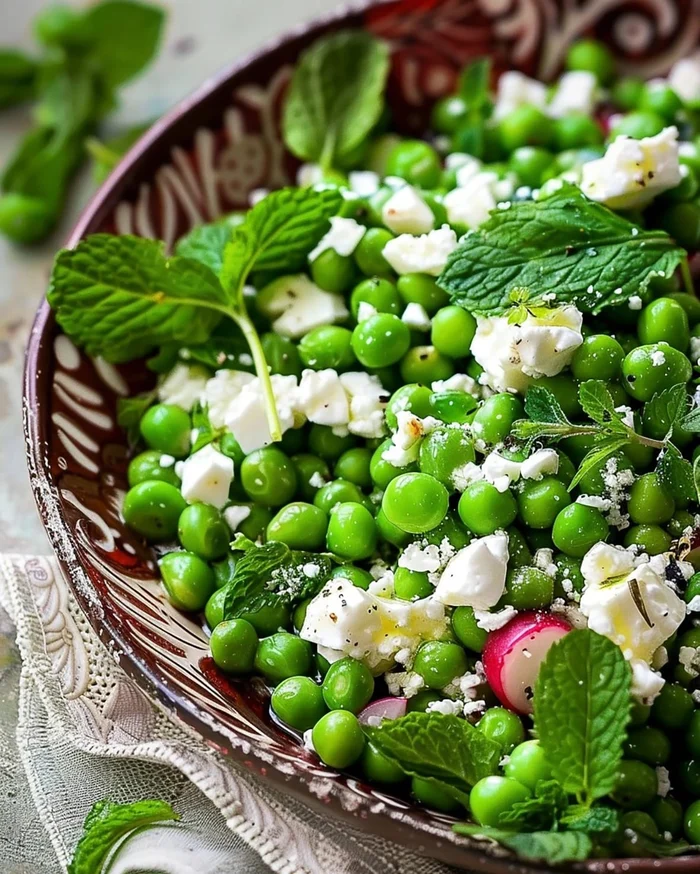
Spring Pea, Mint & Feta Salad
Fresh and colourful. Great with grilled chicken, fish or at a barbecue.
Serves: 4
Ingredients
2 cups fresh shelled peas (or frozen peas)
1 cup baby spinach or rocket
½ cucumber, finely diced
½ cup crumbled feta
2 tablespoons fresh mint, finely chopped
2 tablespoons toasted pumpkin seeds
1 tablespoon olive oil
1 tablespoon fresh lemon juice
½ teaspoon honey
Freshly ground black pepper
Method: Pour boiling water over peas (frozen or fresh). Cover and stand for 2–3 minutes until just tender. Drain and refresh briefly under cold water.
Place the spinach or rocket, cucumber, peas, mint and feta in a large serving bowl.
Whisk together the olive oil, lemon juice, honey and black pepper.
Drizzle over the salad and gently toss. Scatter the toasted pumpkin seeds over the top before serving.
■ Paula’s nutrition note: Peas provide fibre and plant protein, while pumpkin seeds add healthy fats, magnesium and a satisfying crunch. Add cooked quinoa or chickpeas to turn this into a more substantial meal.
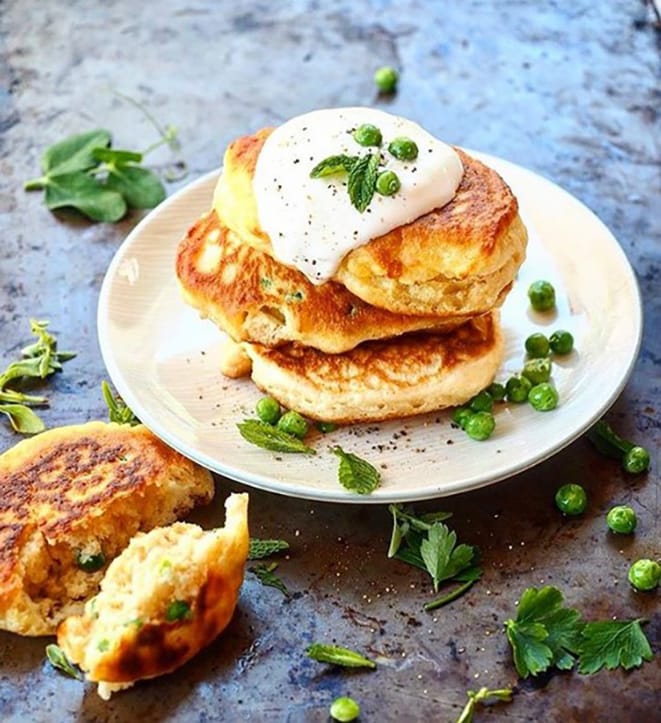
Sweet Pea, Courgette & Parmesan Fritters
Makes: 8–10 fritters
Ingredients
1½ cups fresh or frozen peas
1 medium courgette, grated
2 free-range eggs
½ cup wholemeal flour
¼ cup grated Parmesan cheese
2 spring onions, finely chopped
2 tablespoons fresh parsley or mint, chopped
½ teaspoon baking powder
Zest of ½ lemon
Freshly ground black pepper
Olive oil for cooking
Method: Pour boiling water over peas (frozen or fresh). Cover and stand for 2–3 minutes until just tender. Drain and cool.
Place the grated courgette in a clean tea towel and squeeze out excess moisture.
In a bowl, whisk the eggs. Add the flour, baking powder, Parmesan, spring onions, herbs, lemon zest and pepper.
Fold through the courgette and peas. Lightly mash a few peas with a fork to help bind the mixture.
Heat a little olive oil in a non-stick frying pan over medium heat.
Spoon generous tablespoons of mixture into the pan, flattening slightly.
Cook for approximately 3–4 minutes on each side until golden and cooked through.
Serve warm with plain Greek yoghurt, lemon wedges and a fresh green salad.
■ Paula’s nutrition note: These fritters combine fibre-rich vegetables with protein from eggs and Parmesan. They’re ideal for lunchboxes, light dinners or a weekend brunch. Leftovers can be refrigerated and reheated the following day.
■ If you’d like more seasonal nutrition tips, recipes and practical health guidance, join my free newsletter at paulasharpnutrition.com. It’s where I share evidence-based advice to help women feel informed, nourished and confident in their food choices.