
Turning lessons from the coalface into a blueprint for rangatahi

FULFILLING: Alex Le Long completed her masters presentation last Saturday at the Glenview campus in Hamilton as part of Te Wānanga o Aotearoa’s He Waka Hiringa programme. Her work with Ōpōtiki Rangatahi Pā has been central to providing a kaupapa Māori foundation for exploring ways of creating positive change within communities.
Rufus Dempsey
After more than two years working alongside Ōpōtiki tamariki and rangatahi, teacher and youth advocate Alex Le Long is hoping the lessons learned through her work can help shape the way educators support young people across Aotearoa.
Founder of Ōpōtiki Rangatahi Pā, Le Long has spent the past two years developing a kaupapa Māori approach to youth development, creating a safe and welcoming environment where young people can build confidence, explore their emotions and learn to navigate life’s challenges.
Now, as part of her master’s studies through Te Wānanga o Aotearoa, she is taking those experiences into an academic setting, with the ambition of developing a practical framework that other teachers and educators can draw on when working with children.
At the heart of her work is a belief that no two children are the same, and that understanding those differences is essential to helping them grow.
Through Ōpōtiki Rangatahi Pā, Le Long works with a group of tamariki and rangatahi ranging from primary through to college age, combining activities, group discussions, holiday programmes, community involvement and shared kai in a relaxed, supportive environment.
Rather than taking a one-size-fits-all approach, the kaupapa encourages young people to recognise their individual strengths, understand their emotions, develop resilience and learn how to identify safe and unsafe situations.
For Le Long, the work is also deeply personal.
Her own experiences growing up in environments where safety was not always guaranteed helped shape her determination to become the kind of mentor she would have valued as a young person.
She wants tamariki to understand what a safe environment looks and feels like, recognise when a situation is not right and have the confidence and knowledge to remove themselves from it.
Building trust is a big part of that process, with young people encouraged to come out of their shells, share their fears and aspirations, and develop positive relationships with one another.
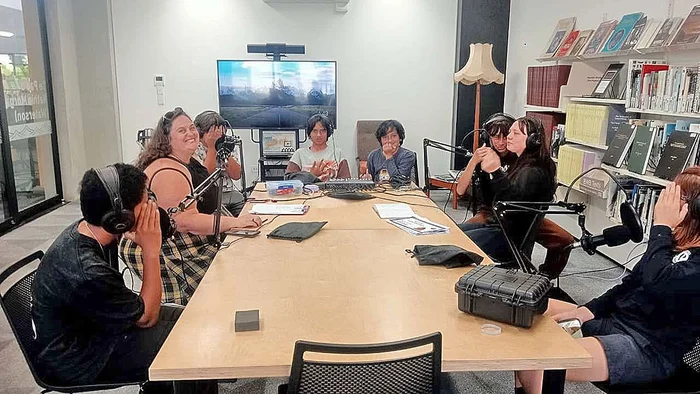
The programme also places considerable emphasis on looking ahead, with Le Long working individually with tamariki to begin thinking about their futures, identifying potential barriers and considering how those obstacles might be overcome.
The aim is to encourage self-determination and help young people understand that their circumstances do not have to dictate their future.
A major lesson from more than two years of running the kaupapa has been the enormous diversity in how children understand and respond to the world around them.
Le Long has observed that children can be at very different stages of emotional development, awareness and understanding, even when they are similar in age.
Rather than expecting everyone to respond to the same approach, she believes educators need to recognise those differences and find ways to work with them.
It is this practical experience that is now informing her Master’s work, with Le Long hoping to develop a template or framework that helps teachers better understand the different starting points children bring into the classroom and how to support them accordingly.
Her studies are through Te Wānanga o Aotearoa’s He Waka Hiringa programme, a master’s degree in Applied Indigenous Knowledge which provides a kaupapa Māori foundation for exploring ways of creating positive change within communities.
Le Long recently presented her work to assessors at the programme’s Glenview campus in Hamilton, an experience she said went well.
“The presentation went really well and I think the assessors understood and related to the metaphors and the importance of recentring ourselves to mauri tau,” she said.
For Le Long, some of the best moments have come from watching the relationships develop between the young people themselves.
“One of the most rewarding things is seeing the kids make the connections with kids from other schools and get to meet peers before they all go to high school.
“It is very fulfilling working with the group, it feels like a 17-year dream coming to fruition.”
Ōpōtiki Rangatahi Pā continues to look towards the future, with Le Long hoping to find a more permanent home base to build on the work already achieved and strengthen the support available to tamariki and rangatahi.
However, the kaupapa has continued, with venues including the Māori Presbyterian Church and Te Tāhuhu o te Rangi helping provide opportunities for the group to meet and carry on its mahi.
“This is just the beginning though and we are always looking for help with funding, volunteer mentors and hopefully a permanent base to meet as well as collaboration with other similar groups in the community,” she said.
“The Y2 Hub was an important project by Te Whakatōhea to help the NEETS kids, now that it’s gone I’m worried for our young people”
With youth disengagement and NEET (not in employment, education or training) figures attracting attention across the Eastern Bay, initiatives that encourage young people to think positively about their futures, recognise their potential and identify pathways forward are increasingly important.
“The Y2 Hub was an important project by Te Whakatōhea to help the NEETS kids, now that it is gone I’m worried for our young people,” she said
For Le Long, that work starts long before a young person reaches the point of becoming disengaged.
By building confidence, resilience, a sense of belonging and the ability to navigate adversity, Ōpōtiki Rangatahi Pā is working to help tamariki and rangatahi develop the foundations they need to shape their own futures.