
The scar has healed, but has your body?

.
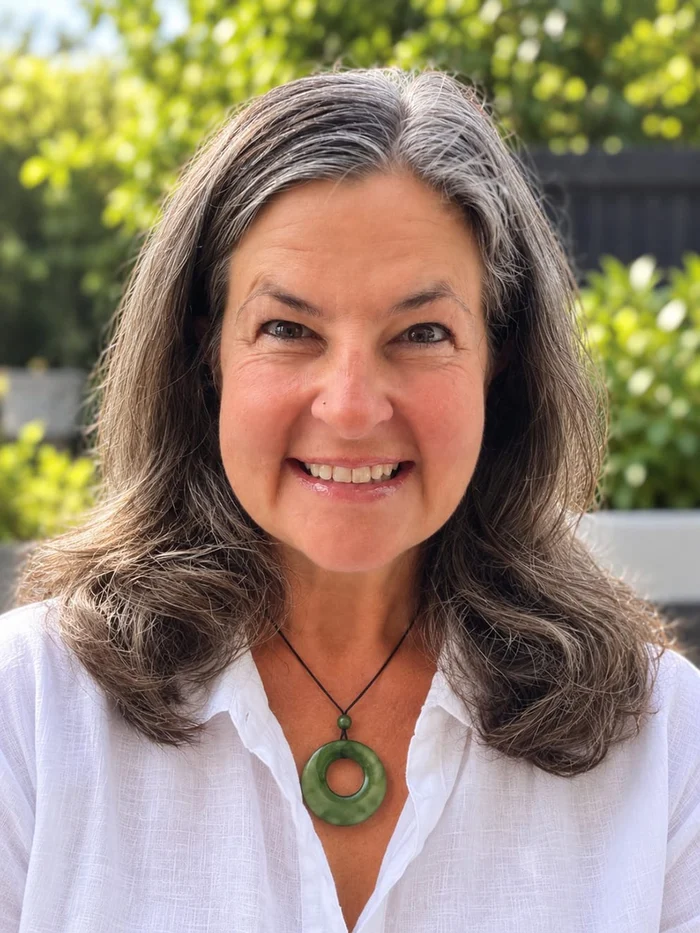
■ Whakatāne nutritional therapist and mindset coach Paula Sharp is bringing a new dimension to her passion for health and wellbeing through specialist scar rehabilitation.
A scar can tell a story. Of surgery, injury, illness or survival. But what happens when the wound has healed, yet the body still feels the effects?
This question has opened another chapter in Sharp’s commitment to helping people feel healthier, more comfortable and confident in their bodies.
Now offering Scar Restore Therapy and specialist oncology scar care, Sharp is extending her whole-person approach to an often-overlooked aspect of recovery.
“I’m passionate about helping people understand their bodies,” she said.
“Recognising what’s working well, what isn’t, and how we can support positive change. It’s about giving people the knowledge and confidence to take an active role in their wellbeing.”
For years, Sharp has worked predominantly with women, using nutrition, lifestyle and mindset strategies to support everything from fertility, hormonal changes, digestive health and fatigue to self-confidence and emotional wellbeing.
“Every person brings a different story. My role is to listen, understand what’s happening and help them find practical ways forward.”
She said most people thought of a scar as something visible. Yet, beneath the surface, scar tissue could influence how surrounding tissues felt and moved, sometimes long after surgery or injury.
Tightness, pulling, tugging, numbness or sensitivity can become part of everyday life. Some people avoided certain movements, dislike having their scar touched or feel self-conscious about its appearance.
“It’s surprising how many people simply accept these sensations,” Sharp said.
“They assume that because the scar has healed, there’s nothing more to
be done.”
She describes Scar Restore as a gentle, hands-on therapy designed to support tissue mobility, comfort and movement.
She said it could benefit people following caesarean sections, abdominal or breast surgery, joint replacements, accidents and other injuries.
And, scars didn’t have to be new. Even older, fully healed scars could be assessed for potential treatment.
Sharp has further developed her skills through specialist training with UK scar therapy educator Emma Holly and New Zealand trainers Zoe Porter and Janna Hawkins, including oncology scar care.
Supporting people following cancer surgery is an area she feels particularly drawn to.
“Cancer can change someone’s relationship with their body.
“Surgery may leave scars, altered sensations or restrictions in movement, but there’s also the emotional experience behind those physical changes,” she said.
For Sharp, scar rehabilitation isn’t about removing evidence of what someone has experienced.
“It’s about helping people feel comfortable in their own skin again.
“To move with greater ease, reconnect with their bodies and regain confidence.”
Her oncology scar work complements, rather than replaces, ongoing medical care.
Whether working with nutrition, mindset or scars, Sharp’s philosophy is unchanged: look beyond the symptom and see the person.
“Our bodies are remarkable. They adapt, compensate and work incredibly hard for us, often without us realising it. But sometimes they need a little extra support.”
She hopes her work will encourage people to think differently about scars and recovery.
“A scar is part of your story, but it doesn’t have to define how you feel in your body.
“If something is uncomfortable or restricting you, it’s worth exploring what support is available.”